Feeding a baby sounds simple. They’re hungry, you feed them, and everyone gets on with their day. But ask any parent a few months into the journey, and you’ll hear a different story, one filled with second-guessing, late-night Google searches, and questions about whether that piece of advice from a well-meaning relative is actually helpful.
The truth is, every parent makes feeding mistakes at some point. Not because they’re careless, but because baby-feeding advice can be confusing. Some recommendations are outdated, others contradict each other, and many have been passed down for generations without anyone checking whether they still apply. Add sleep deprivation and a baby who can’t tell you what they need, and it’s easy to see how even confident parents can make a few missteps.
In this post, we’ll look at some of the most common baby-feeding mistakes parents make. Some may surprise you, while others might sound familiar. More importantly, you’ll learn what to do instead. The goal isn’t to make you worry about every bite your baby takes. It’s to help you feel more confident and less stressed when feeding your little one.
Disclaimer
This post is for general education and is not a substitute for personalized medical advice. Please consult your pediatrician about your baby’s specific feeding needs, growth, and any concerns that arise along the way.
Common Baby Feeding Mistakes New Parents Make
1. Adding Cereal to the Bottle

Many parents have heard this advice before: add a spoonful of rice cereal to a bottle to help a baby feel fuller and sleep longer.
The problem is that it rarely works as intended and can create safety concerns. Babies have limited control over the flow of milk from a bottle. Adding cereal makes the liquid thicker and harder to manage. This can increase the risk of choking, especially in younger infants who are not ready for thicker textures. It may also lead to overfeeding because babies can take in more than they need before recognizing they’re full.
What to do instead: If your baby seems hungry after feeds or wakes frequently at night, talk to your pediatrician about feeding amounts and schedules. Adjusting feeding routines is usually safer and more effective than thickening a bottle.
Check out:
How To Encourage Healthy Eating Habits In Children
Gentle Parenting Strategies For Handling Toddler Tantrums
How To Soothe A Colicky Baby Naturally
2. Starting Solids Too Early or Too Late

Many parents fall into one of two camps: starting solids too early or waiting too long.
Some introduce solids early, hoping it will improve sleep or speed up development. However, most babies are not developmentally ready before about 4 to 6 months. Starting too soon can reduce the amount of breast milk or formula they consume, which remains their primary source of nutrition.
Others delay solids well beyond 6 months out of caution. While the intention is good, waiting too long can create nutritional gaps. Around this age, babies begin to need additional sources of nutrients such as iron.
What to do instead: Focus on readiness signs rather than the calendar. Look for good head control, the ability to sit with support, loss of the tongue-thrust reflex, and genuine interest in food. Most babies show these signs around 6 months. Your pediatrician can help determine the best timing for your child.
3. Offering Choking Hazards Before Your Baby Is Ready
This is one of the most serious feeding mistakes parents make. Often, it happens simply because many people don’t know which foods pose a choking risk.
Common choking hazards include whole grapes, raw vegetables, whole nuts, popcorn, chunks of hard cheese, and sliced hot dogs.
Even after your baby starts solids, the way food is prepared matters. A food that is safe when cut properly can become dangerous when served in larger pieces.
What to do instead: Offer soft, age-appropriate foods and cut them into safe sizes. Avoid round, hard, sticky, or tough foods during the early stages of solids. Always supervise your baby while they eat.
If you’re unsure whether a food is safe, ask your pediatrician before offering it.
You will also like:
The Best Way to Stop Toddler Tantrums In Public
The Ultimate Baby And Toddler Care Guide For First Time Parents: Everything You Need To Know From Birth To Age 3
Baby Nursery Closet Organisation Ideas For Small Spaces
4. Confusing Crying With Hunger Every Time
This is an easy trap, especially during the newborn stage. Baby cries, you assume they’re hungry, and you offer a feed. Sometimes that’s exactly what they need. Other times, they’re tired, overstimulated, uncomfortable, or simply want comfort and closeness.
When parents treat every cry as a hunger cue, overfeeding can happen. You may notice more spit-up, fussiness after feeds, or a baby who never seems fully satisfied. It can also make it harder to recognize your baby’s true hunger and fullness signals.
What to do instead: Learn your baby’s early hunger cues, such as rooting, lip smacking, or bringing their hands to their mouth. These signals often appear before crying. If you’re unsure whether your baby is hungry or upset for another reason, talk with your pediatrician or a lactation consultant.
5. Focusing on Quantity Instead of Your Baby’s Cues
Once solids begin, many parents start worrying about how much their baby eats. It’s easy to compare your child with others or feel pressured by feeding videos that show babies happily eating full meals.
The truth is that babies progress at different rates. During the first months of solids, exposure matters more than volume. Pressuring a baby to eat beyond their appetite can interfere with their natural ability to recognize fullness.
What to do instead: Let your baby decide how much to eat. Offer a variety of foods and stay relaxed about the amount consumed. Think of early solids as practice, exploration, and skill-building rather than a full meal.
If you’re concerned about growth or nutrition, discuss it with your pediatrician instead of counting every bite.
6. Offering the Same Foods for Too Long
This mistake often happens without parents realizing it. A baby enjoys a few foods, such as bananas, sweet potatoes, or oatmeal, so those foods stay on repeat.
While familiar foods provide comfort, too little variety can make it harder for babies to accept new flavors and textures later. This becomes especially important as toddlers naturally grow more cautious about trying unfamiliar foods.
What to do instead: Keep introducing new foods alongside familiar favorites. Don’t give up if a food gets rejected the first few times. Many babies need repeated exposure before they accept something new.
A varied diet early on can help encourage more adventurous eating later.
7. Delaying Common Allergens Out of Fear
For years, parents received advice to delay foods such as peanuts, eggs, and dairy. Experts hoped this approach would reduce the risk of allergies.
Today, recommendations have changed. Research shows that introducing common allergens at the appropriate age may actually help lower the risk of developing food allergies.
What to do instead: Talk to your pediatrician about introducing common allergens once your baby is ready for solids. Introduce them one at a time and watch for any signs of a reaction.
If your baby has eczema or a family history of allergies, ask your pediatrician for guidance before introducing allergenic foods.
8. Not Cleaning Feeding Equipment Properly

Cleaning bottles, nipples, pump parts, and sippy cups isn’t the most exciting part of parenting, but it matters.
Milk residue can hide in small crevices and create an environment where bacteria can grow. For young infants with developing immune systems, poor cleaning habits can increase the risk of illness.
What to do instead: Wash feeding equipment thoroughly after every use and follow the manufacturer’s recommendations for sterilization. Ask your pediatrician when it’s appropriate to adjust your cleaning routine as your baby gets older.
You will also like
30 Fun Screen-Free Summer Activities For Busy Toddlers
15 Water Play Summer Activities For Toddlers
The Best Sensory Play Ideas For Rainy Days
9. Using the Wrong Nipple Flow Rate
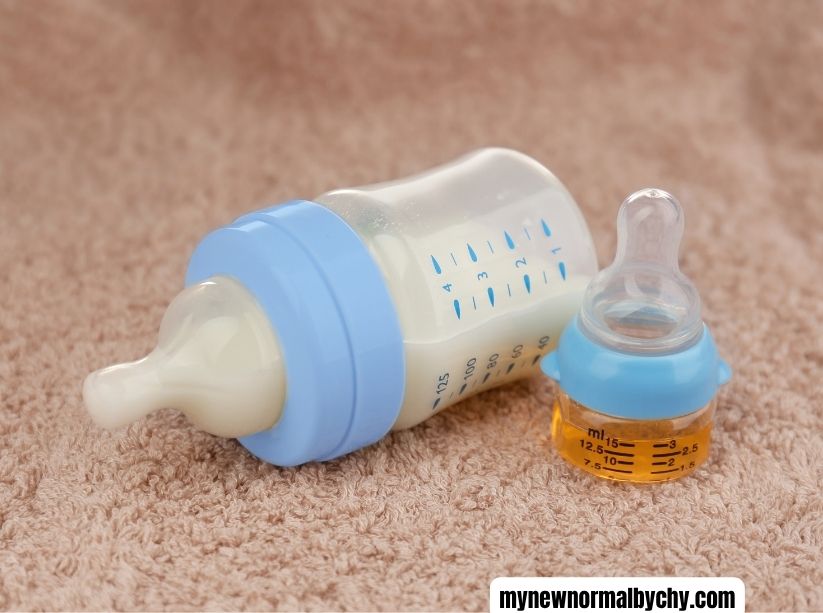
Nipple flow rate may seem like a small detail, but it can affect feeding significantly.
A fast-flow nipple can overwhelm a baby, causing gulping, choking, or excess air intake. A slow-flow nipple can frustrate a hungry baby and make feeding sessions longer than necessary.
What to do instead: Choose a nipple flow rate that matches your baby’s age and feeding needs. If feedings consistently feel stressful, consider adjusting the flow rate. Some trial and error is completely normal.
Paced bottle feeding can also help babies feed more comfortably and recognize fullness cues.
10. Treating Every Feeding Challenge as an Emergency
Many new parents worry that every spit-up, skipped meal, or sudden drop in appetite signals a serious problem.
In reality, babies go through natural ups and downs. Growth spurts, teething, minor illnesses, and changing routines can all affect appetite. A baby who eats less today than yesterday is usually behaving normally.
What to do instead: Focus on patterns rather than individual feeds. Monitor your baby’s growth at routine pediatrician visits and look at trends over time.
Contact your pediatrician if you notice persistent feeding difficulties, signs of dehydration, significant weight changes, or a consistent refusal to eat.
Signs Your Toddler Is Ready For Potty Training
How To Prepare Your Toddler For A New Baby: Everything You Need To Know
How To Reset A Toddler’s Sleep Schedule
The Bigger Picture
If there’s one lesson behind all these mistakes, it’s this: feeding your baby isn’t about getting everything perfect.
The parents who navigate this stage most successfully aren’t the ones who follow every rule flawlessly. They’re the ones who pay attention to their baby’s cues, stay flexible, and ask for help when they need it.
You’ll probably make at least one of these mistakes, and that’s okay. Most are easy to correct once you recognize them.
What matters most is your overall approach. Stay curious, stay attentive, and trust that both you and your baby are learning together. Feeding doesn’t have to be perfect to be successful.
This post is for general education and is not a substitute for personalized medical advice. Please consult your pediatrician about your baby’s specific feeding needs, growth, and any concerns that arise along the way.
Leave a Reply