If you’re here, chances are you’re wondering how to encourage healthy eating habits in children while dealing with a little one who refuses to eat anything that isn’t beige, fried, or shaped like a dinosaur. Trust me, you’re not alone.
I see you because I’ve been you. My kids were never big eaters, not as babies and not as toddlers. I know exactly what it’s like to spend time preparing a nutritious meal only to watch your child stare at it as if you’ve personally offended them.
The good news? Raising healthy eaters doesn’t have to involve endless bribery, dessert negotiations, or turning every mealtime into a battle of wills. In fact, some of the most effective ways to encourage healthy eating habits in children are surprisingly simple and stress-free.
If you’re tired of the mealtime struggles and wondering how to get your child excited about nutritious foods, you’re in the right place. So grab a cup of coffee, get comfortable, and let’s talk through it together, like two friends sharing what’s worked, what’s failed, and what can make family meals a little easier.
Check out:
The Ultimate Baby And Toddler Care Guide: Everything You Need to Know From Birth To Age 3
How To Soothe A Colicky Baby Naturally
Gentle Parenting Strategies For Handling Toddler Tantrums
Why Healthy Eating Habits Matter for Children
Before we jump into the how, let’s quickly talk about the why.
Healthy eating habits aren’t just about getting kids to eat vegetables. The eating patterns children develop early in life often follow them into adulthood. Teaching kids to enjoy a variety of nutritious foods can support healthy growth, boost their immune system, improve concentration, and help them build a positive relationship with food.
The goal isn’t to raise a child who happily devours kale every day. The goal is to help our children learn that healthy foods are a normal and enjoyable part of life.
How to Encourage Healthy Eating Habits in Children

1. Be the Example They Need
I wish there were a shortcut around this one, but there isn’t.
Children are always watching us. If they see us reaching for fruits, vegetables, and balanced meals, they’re more likely to become curious about those foods themselves.
This doesn’t mean you have to eat perfectly. It simply means letting your child see you enjoying healthy foods without making a big production out of it.
When my children see me eating fruit as a snack or enjoying vegetables with dinner, they often want to know what I’m having. Sometimes they’ll even ask for a bite.
Kids learn far more from what we do than what we say.
2. Stop Making Mealtime a Battlefield

Here’s something that took me longer than I’d like to admit to learn: the more pressure I put on a meal, the worse it went.
“Just one more bite.” “You can’t have dessert until you finish your veggies.” “Please just eat the broccoli.”
We’ve all said some version of this in a moment of desperation. But pressure tends to backfire with kids, it turns food into a power struggle instead of, well, food. Kids are remarkably good at sensing when something has become a battle they can win simply by refusing to participate.
What actually helps most parents is a principle called the “division of responsibility” in feeding, your job is to decide what food is offered, when, and where. Your child’s job is to decide whether to eat it, and how much. That’s it. Once you let go of trying to control the “whether,” dinner will get a lot less stressful for everyone
This doesn’t mean anything goes. It just means the fighting stops, and that’s often when the eating starts.
3. Make Healthy Foods Easy to Access
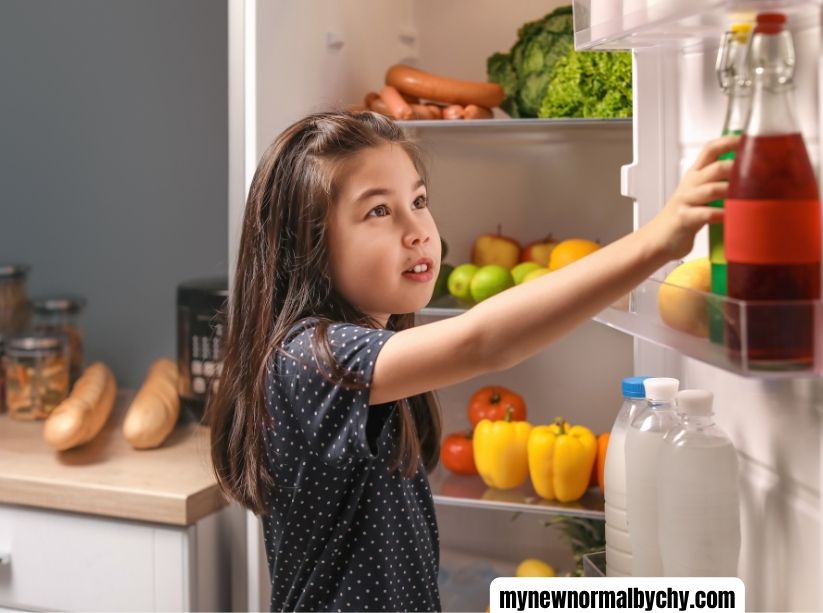
Children often choose what’s easiest.
If a bowl of washed strawberries is sitting on the counter, they’re more likely to grab one. If sliced cucumbers, apple wedges, or carrot sticks are ready in the fridge, healthy snacking becomes effortless.
On the other hand, if healthy foods require preparation while less nutritious snacks are immediately available, guess which option most children will choose?
A little preparation can go a long way.
Baby Nursery Closet Organisation Ideas for Small Spaces
30 Fun Screen-Free Summer Activities For Busy Toddlers
15 Water Play Summer Activities For Toddlers
4. Introduce New Foods Without Expectations
If your child rejected something once and you’ve sworn it off forever, bring it back. This isn’t a wasted effort.
Research on kids and new foods backs up something most experienced parents already sense: it can take ten, fifteen, sometimes twenty exposures to a new food before a child decides they like it, or even just tolerate it on the plate without complaint.
Keep offering new foods alongside familiar favorites without pressure or disappointment. Sometimes children need time to get comfortable with how a food looks, smells, and feels before they’ll taste it.
Consistency is often more effective than persuasion.
So don’t take one rejection as a final verdict. Keep putting the broccoli on the plate, even if it comes back to the kitchen exactly as untouched as it left it. You’re building familiarity, and familiarity is half the battle with cautious eaters.

5. Get Them in the Kitchen With You
This one genuinely works, and it tends to be enjoyable for everyone involved.
Kids are far more likely to eat something they helped make. There’s a sense of ownership that comes from stirring, pouring, tearing lettuce, or sprinkling cheese, even if their “help” adds twenty extra minutes and a fine layer of flour to your kitchen floor.
Start small. Toddlers can rinse vegetables, tear herbs, or stir a bowl with supervision. Older kids can measure ingredients, crack eggs, or help plan the week’s dinners. The time investment pays off in a child who becomes curious about food instead of suspicious of it.
I’ve seen firsthand how powerful this can be. My 4-year-old used to refuse both meat and eggs. No matter how I prepared them, he simply wasn’t interested. After doing some research and speaking with other parents, I learned that involving children in meal preparation can make them more willing to try new foods.
So we started small.
Whenever I wanted to boil eggs, I let him help. He would carefully place the eggs into the pot and pour in the water while I handled the stove. It may sound simple, but to him, it was a big responsibility. By the time the eggs were ready, he was excited to see the result of his work.
The funniest part? He couldn’t wait to taste them.
Today, that same little boy happily eats at least two eggs a day. While every child is different, that experience taught me that sometimes children are more willing to eat foods they feel connected to. When they’ve helped prepare a meal, they become curious, proud, and much more open to giving it a try.
You will also like
Best Sensory Play Ideas For Rainy Days
How To Set Up A Small Backyard Play Area For Kids
20 Creative Backyard Play Area For Kids On A Budget
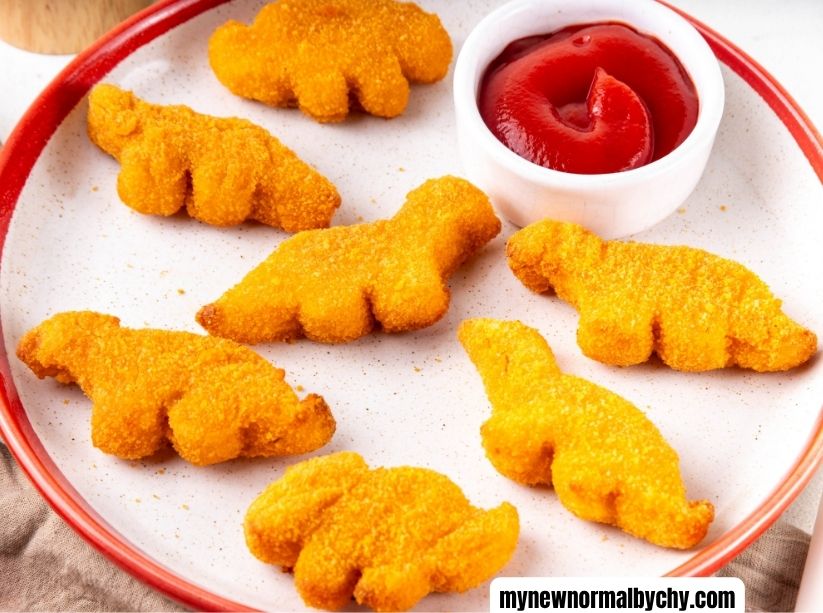
6. Make the Plate Look Like Something They’d Want to Eat
This isn’t about turning every meal into an elaborate bento box, presentation just matters more than we’d expect to small humans who are still building trust with new foods.
A few easy adjustments:
- Cut food into shapes or simple pieces they can pick up with their hands
- Serve a range of colors on the plate, even if it’s just a few different vegetables
- Keep new foods small and separate, rather than mixed into a sauce they can’t identify
- Offer a dip. A good dip, ranch, hummus, yogurt, has rescued more vegetables in my house than I can count.
Kids eat with their eyes a little too. A colorful, approachable plate feels less intimidating than a plain pile of “good for you.”
7. Offer Variety Without Becoming a Short-Order Cook
Many parents fall into the trap of preparing separate meals for picky eaters.
I’ve been tempted myself.
But constantly making different meals can reinforce picky eating habits.
Instead, serve at least one food you know your child generally likes alongside other family foods. This allows them to feel comfortable while still being exposed to new options.
Over time, those repeated exposures can make a big difference.
8. Avoid Labeling Foods as “Good” or “Bad”
Food doesn’t need moral labels.
When we describe certain foods as “bad,” children often become more obsessed with them. Meanwhile, “healthy” foods can start to feel like punishment.
Also, As kids get a little older, they start asking “why” about everything. Food is no exception, and that curiosity is worth using.
Talk about what different foods do for our bodies in simple, memorable ways. Carrots help us see well in low light. Protein helps muscles grow strong so we can run and climb. Calcium helps build strong bones.
This isn’t about lecturing at the dinner table, nobody wants a nutrition seminar over spaghetti. It’s about sprinkling in small facts here and there, through books, grocery trips, or cooking together, so food starts to feel less like a rule and more like something worth being curious about
Signs Your Toddler Is Ready For Potty Training
How To Prepare Your Toddler For A New Baby: Everything You Need To Know
How To Prepare Your Toddler For Their First Day Of School
9. Let Go of the Clean Plate Rule
Many of us grew up being told to finish everything on our plates. But teaching kids to listen to their own fullness cues is one of the more valuable eating habits you can build in them long-term.
Encourage them to eat until they feel satisfied, not until the plate is empty simply because. This helps them build a healthy relationship with their body’s signals, rather than overriding hunger and fullness because of an external rule.
If they say they’re done, you can always offer the rest later if they get hungry again. It’s a small shift, but it teaches a meaningful lesson: food is about listening to your body, not about meeting someone else’s expectations.
10. Keep the Same Foods in Rotation
Eating the same handful of meals on repeat can feel monotonous as an adult, but predictability is genuinely comforting to kids, especially around food.
Having a few reliable meals in regular rotation gives kids a sense of security while you slowly introduce new things around the edges. You don’t need to reinvent dinner every night to raise an adventurous eater. In fact, too much variety too quickly can increase anxiety around mealtime rather than reduce it.
What feels boring to you is often comforting to them. It’s fine to let it be a little repetitive.
11. Be Patient With Picky Eaters
If your child is a picky eater, take heart.
Picky eating is incredibly common, especially during the toddler and preschool years.
Progress often happens slowly.
One day they refuse a food.
A few weeks later they touch it.
A month later they lick it.
Eventually they might actually eat it.
Celebrate small victories and remember that building healthy eating habits is a marathon, not a sprint.
How To Reset A Toddler’s Sleep Pattern
How I Make $1500 A Month As A Stay-At-Home Mom Teaching English Online
Creative Phonics Activities To Help Kids Love Reading
12. Focus on Long-Term Habits, Not Perfect Meals
Some days your child will eat a balanced meal packed with nutrients.
Other days they’ll survive on crackers, bananas, and pure determination.
That’s normal.
Try not to judge your parenting based on a single meal or even a single day. Healthy eating habits are built over months and years, not overnight.
Consistency matters far more than perfection.
Frequently Asked Questions
Q: How long does a “picky eating” phase usually last?
It varies widely from child to child, but picky eating is extremely common between ages 2 and 6, often peaking around the toddler years as children assert independence. For most kids, food preferences gradually broaden with continued, low-pressure exposure. If picky eating is severe, limited to only a handful of foods, or affecting growth, it’s worth discussing with your pediatrician.
Q: My child only eats the same 5 foods. Should I be worried?
A narrow but steady list of “safe foods” is common and usually not a cause for concern, especially if your child is growing well and seems otherwise healthy. The goal isn’t to eliminate safe foods, but to keep gently introducing new ones alongside them. If your child’s list of accepted foods is shrinking over time, or if they’re avoiding entire food groups or textures, that’s a good reason to check in with a pediatrician or a feeding specialist.
Q: Should I hide vegetables in other foods to get my child to eat them?
Occasionally blending vegetables into a sauce or baked good isn’t harmful, but it shouldn’t be the main strategy. Kids benefit more long-term from learning to recognize, touch, and eventually accept foods in their original form. Hiding food can also backfire if a child later discovers it and feels tricked, which can increase mistrust around mealtime.
Q: Is it okay to make a separate meal for my picky eater?
Try to avoid becoming a full-time “short order cook,” since it can reinforce picky eating over time. A helpful middle ground is offering one part of the family meal that you know your child will eat — like rice or bread — alongside the new or less-preferred foods, rather than preparing an entirely different meal.
Q: How do I get my child to try new foods without a fight?
Avoid pressure, bribery, or forcing bites, which tend to increase resistance. Instead, offer new foods consistently and without comment, let your child interact with food at their own pace (even just touching or smelling it counts as progress), and model eating the food yourself. Repeated, low-pressure exposure works far better than a single high-stakes attempt.
Q: What if my child won’t eat anything but snacks all day?
Constant snacking can reduce appetite at meals, so it helps to set regular meal and snack times rather than allowing food access all day long. This builds healthy hunger cues and makes your child more likely to eat well at the table instead of grazing.
Q: At what point should I be concerned and see a doctor?
Reach out to your pediatrician if your child is losing weight, falling off their growth curve, refusing entire food groups or textures, gagging or choking frequently, or showing significant distress around food and mealtimes. These signs can sometimes point to something beyond typical picky eating, such as a feeding disorder or sensory processing difference, and a doctor or feeding specialist can help assess what’s going on.
My Final Thoughts On How To Encourage Healthy Eating Habits In Children
Learning how to encourage healthy eating habits in children can feel overwhelming, especially when you’re dealing with picky eaters, food refusals, and mealtime frustrations.
But here’s something I want you to remember: you’re not failing because your child refuses vegetables today.
Healthy eating is a skill, and like every other skill our children learn, it takes time, practice, and patience.
Keep offering nutritious foods. Keep making mealtimes positive. Keep leading by example.
One day, you may find yourself watching your child happily eat something they once swore they’d never touch, and you’ll realize all those small efforts were worth it.
Parenting is full of challenges, but raising healthy eaters doesn’t have to be a battle. Small, consistent steps can make a bigger difference than you think.
Well, I know this because now, there’s almost nothing my 4 year old doesn’t eat.
Leave a Reply