Summer and water play go hand in hand. As temperatures rise, many parents find themselves searching for safe, engaging ways to keep their toddlers cool, active, and entertained.
The challenge is that toddlers have short attention spans, endless energy, and a natural curiosity that can quickly turn boredom into frustration.
The good news is that water play is one of the easiest and most effective ways to keep little ones happy during the summer months. Beyond being fun, water activities help toddlers develop important skills such as hand-eye coordination, fine motor skills, problem-solving abilities, sensory awareness, and social interaction.
The best part? Most water play activities require minimal supplies and can be set up in your backyard, patio, driveway, or even indoors when needed.
In this guide, you’ll know 15 fun water play summer activities for toddlers, along with safety tips, developmental benefits, and answers to common questions parents ask about water play.
Why Water Play Is Important for Toddlers
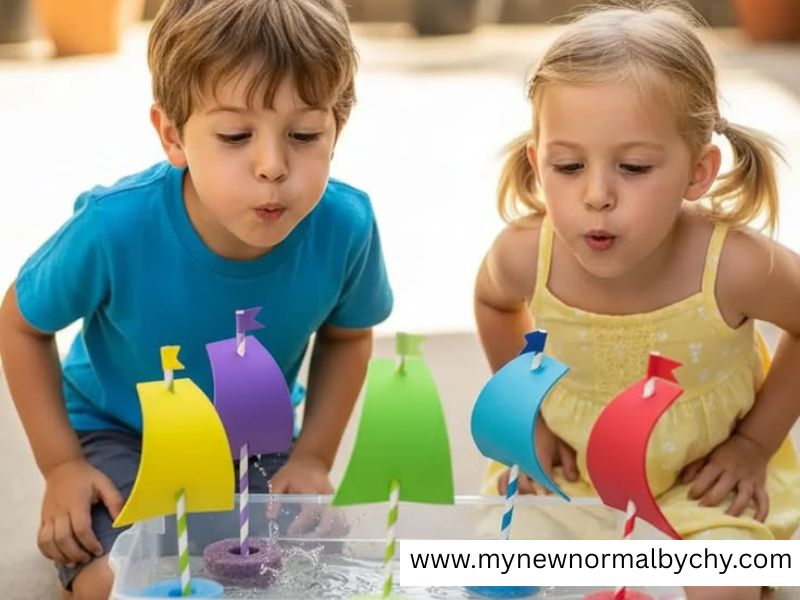
Water play is more than just splashing around. It provides valuable learning opportunities while helping children stay cool and active during hot weather.
Benefits of water play include:
- Encourages sensory exploration
- Develops fine motor skills
- Improves hand-eye coordination
- Supports language development
- Promotes creativity and imagination
- Helps toddlers learn cause and effect
- Encourages physical activity
- Provides calming sensory experiences
Many toddlers naturally enjoy water because it stimulates multiple senses at once, making learning feel like play.
Common Summer Challenges Parents Face
During summer, parents often struggle with:
- Keeping toddlers occupied for long periods
- Managing excessive screen time
- Finding affordable activities
- Dealing with hot weather
- Preventing boredom and tantrums
- Creating educational play opportunities
Water activities can solve many of these challenges while providing hours of entertainment.
Water Safety First
Before starting any water activity, remember these important safety guidelines:
- Never leave toddlers unattended near water.
- Stay within arm’s reach at all times.
- Empty water containers immediately after play.
- Use non-slip surfaces when possible.
- Dress toddlers in appropriate sun protection outdoors.
- Apply child-safe sunscreen when needed.
- Keep activities age-appropriate.
Even shallow water can pose risks, so active supervision is essential.
15 Fun Water Play Summer Activities for Toddlers
1. Water Table Exploration
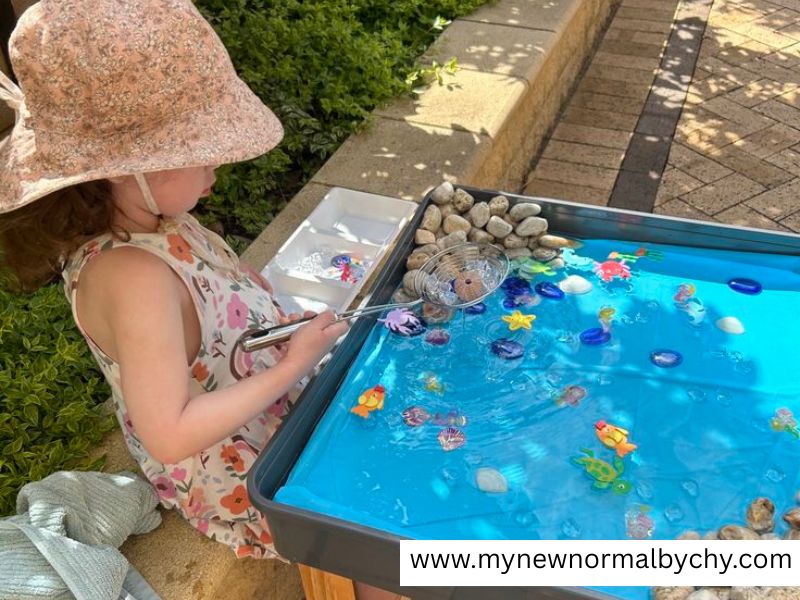
A water table is one of the most popular summer toys for toddlers.
Fill it with:
- Cups
- Funnels
- Measuring spoons
- Floating toys
- Small containers
Toddlers love pouring, scooping, and splashing while exploring how water moves.
Skills Developed
- Fine motor skills
- Hand-eye coordination
- Problem-solving
2. Backyard Sprinkler Fun
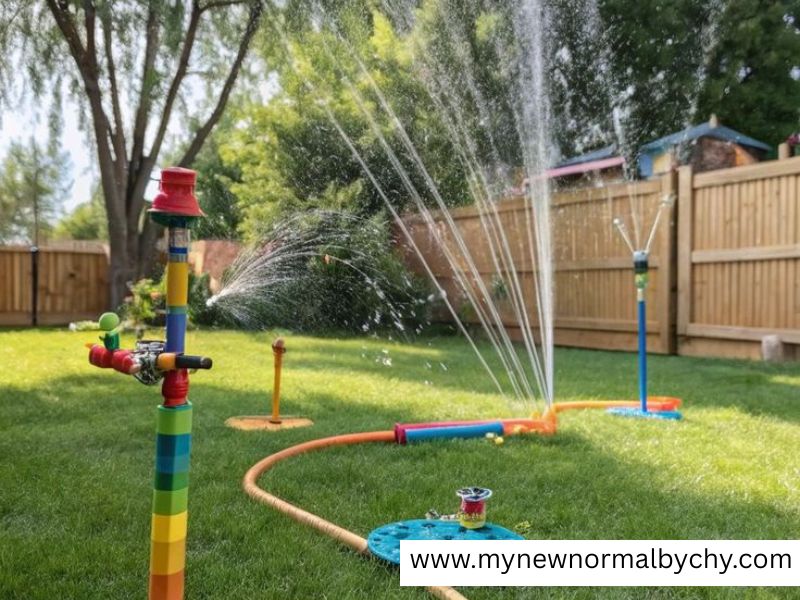
Set up a simple sprinkler and let your toddler run, jump, and splash through the water.
You can add:
- Beach balls
- Water-safe toys
- Pool noodles
This activity encourages movement and helps burn off energy.
Skills Developed
- Gross motor skills
- Balance
- Coordination
3. Sponge Toss Game
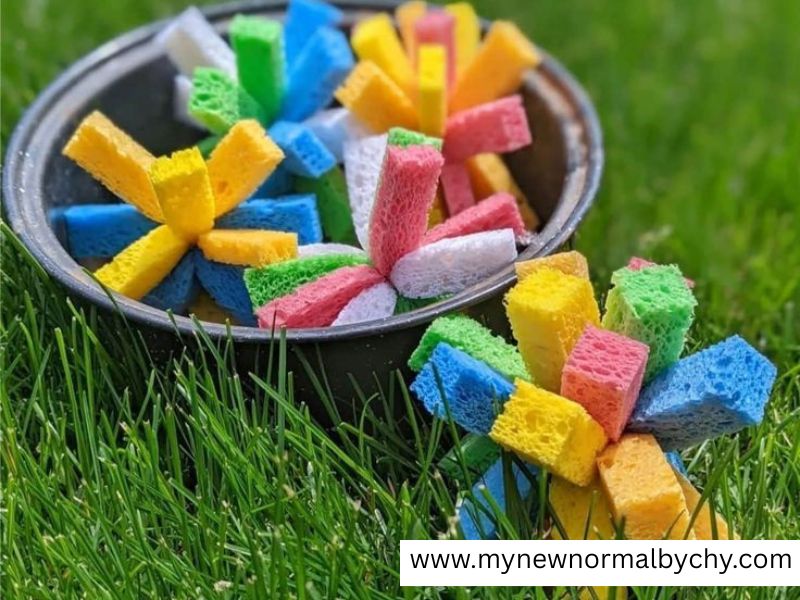
Provide several large sponges and a bucket of water.
Toddlers can:
- Soak the sponges
- Squeeze them
- Toss them into containers
- Transfer water from one bucket to another
This simple activity strengthens little hands.
Skills Developed
- Hand strength
- Coordination
- Concentration
25 Creative Sensory Activities For Toddlers And Preschoolers
25 Sensory Play Ideas for Toddlers With Autism
4. Toy Car Wash
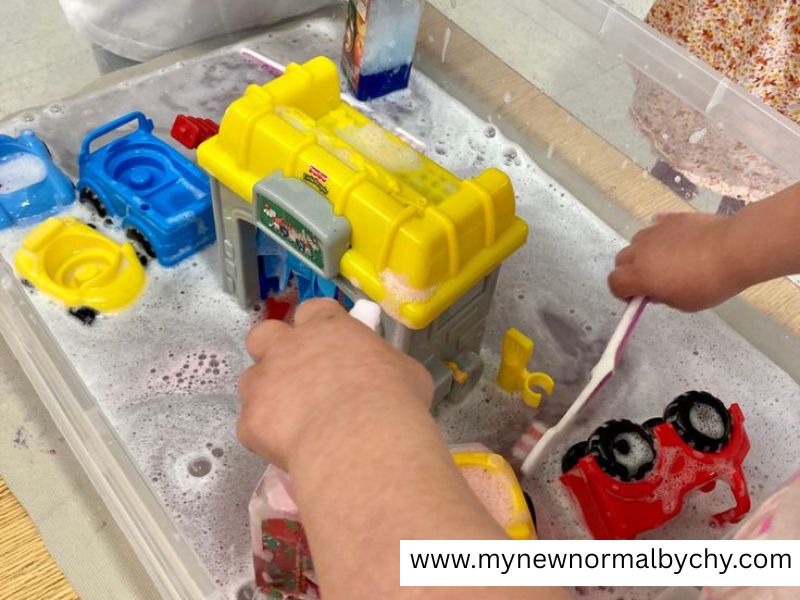
Gather toy cars, trucks, and construction vehicles.
Fill a tub with soapy water and provide:
- Sponges
- Brushes
- Washcloths
Toddlers enjoy cleaning their toys while engaging in pretend play.
Skills Developed
- Imaginative play
- Fine motor development
- Sensory exploration
15 Budget- Friendly Jungle Gym Ideas
5. Water Balloon Fun
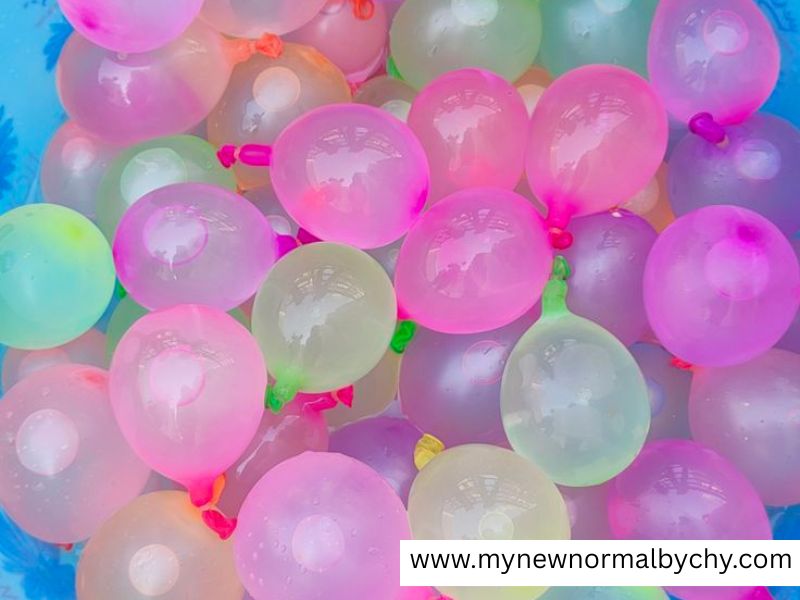
For older toddlers, water balloons can provide exciting summer entertainment.
Try:
- Tossing balloons
- Rolling them
- Watching them burst
Always supervise closely and remove broken balloon pieces immediately.
Skills Developed
- Coordination
- Cause-and-effect learning
6. Ice Cube Treasure Hunt
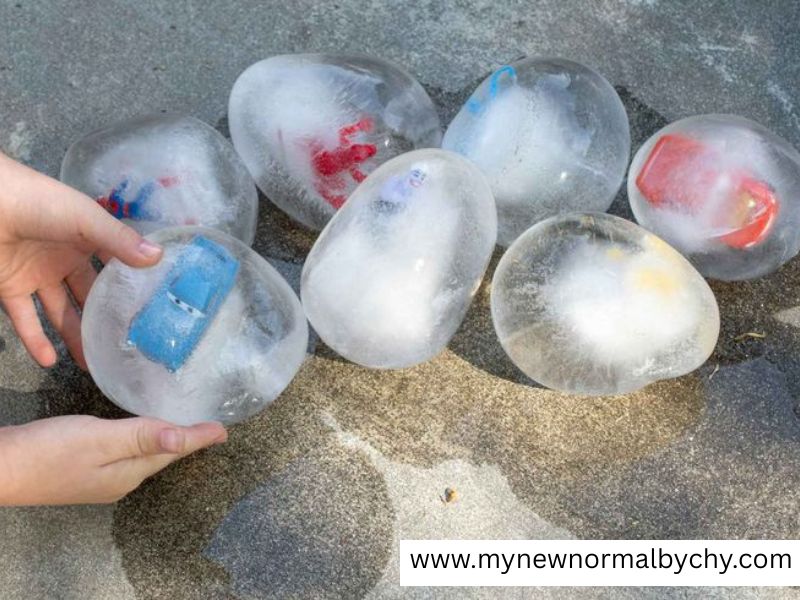
Freeze small waterproof toys inside ice cubes or containers of ice.
Provide:
- Warm water
- Spoons
- Plastic tools
Toddlers can work to free the hidden treasures.
Skills Developed
- Problem-solving
- Patience
- Sensory exploration
7. Floating Toy Experiment
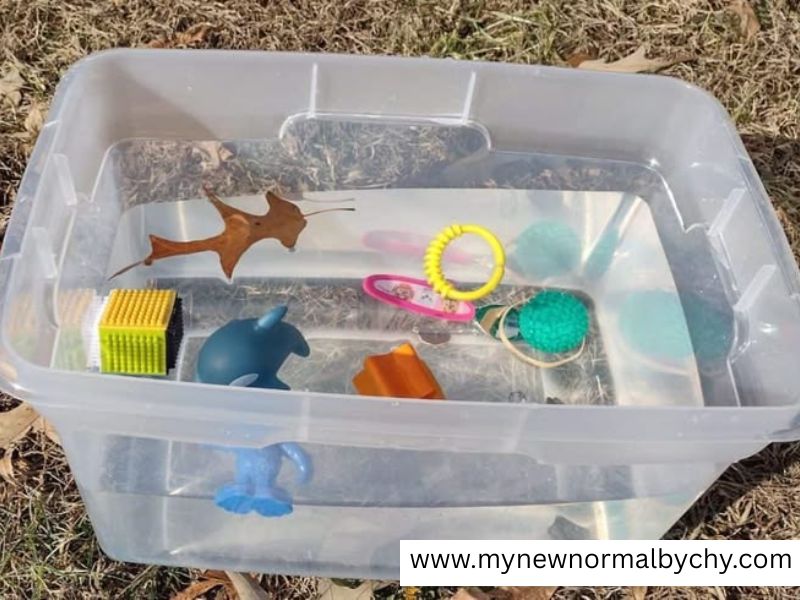
Fill a container with water and test different objects.
Ask questions like:
- Does it float?
- Does it sink?
Toddlers enjoy making predictions and watching the results.
Skills Developed
- Early science concepts
- Observation skills
- Critical thinking
8. Water Painting Outdoors
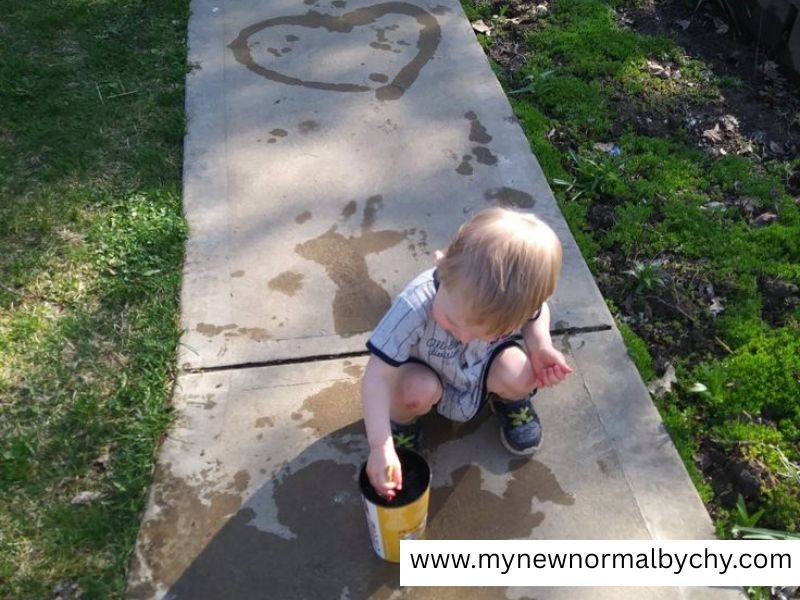
Give your toddler:
- A bucket of water
- Paintbrushes
- Rollers
Let them paint fences, sidewalks, patios, or walls with water.
The disappearing artwork fascinates young children.
Skills Developed
- Creativity
- Fine motor control
9. Baby Pool Play
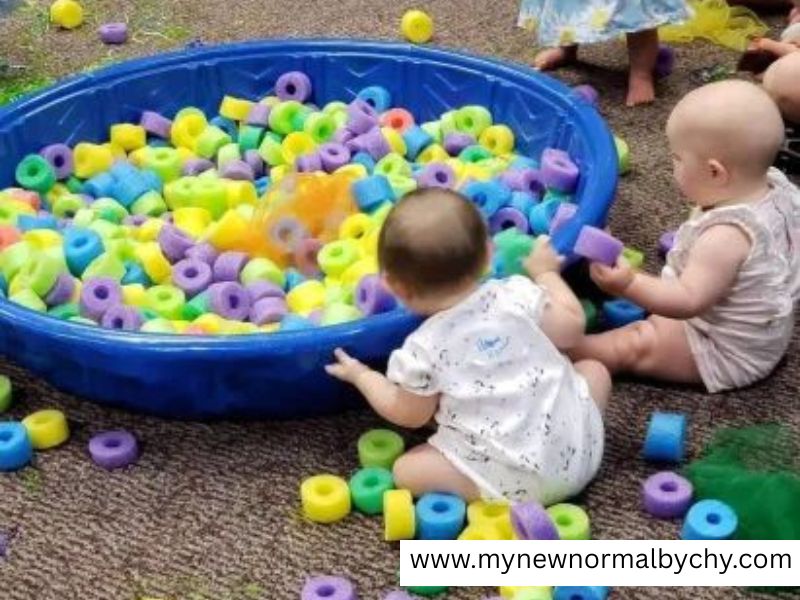
A small inflatable pool can become an exciting summer activity center.
Add:
- Floating toys
- Cups
- Water-safe books
- Rubber ducks
Keep water shallow and supervise constantly.
Skills Developed
- Sensory development
- Social interaction
- Physical activity
10. Water Transfer Station
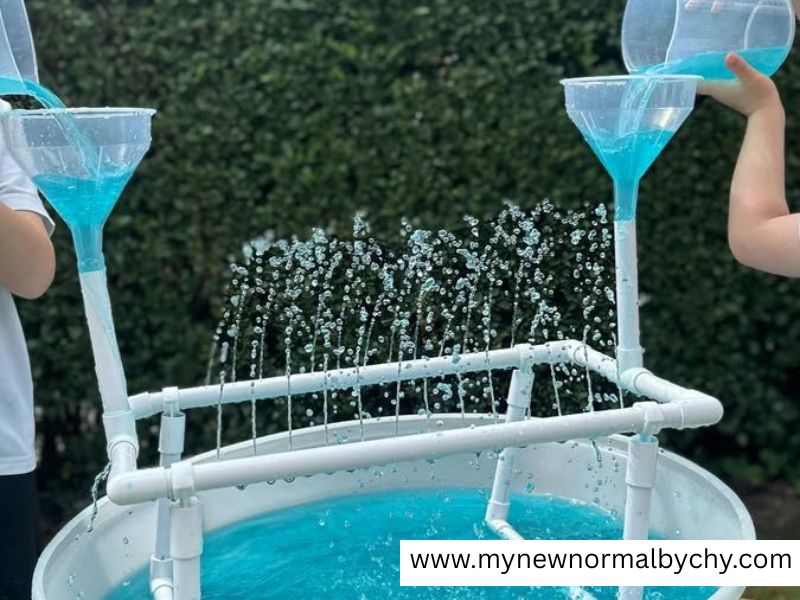
Set up several containers with different sizes and shapes.
Encourage toddlers to move water using:
- Cups
- Ladles
- Funnels
- Measuring spoons
This activity often keeps toddlers busy for surprisingly long periods.
Skills Developed
- Coordination
- Concentration
- Early math concepts
11. Bubble Foam Play
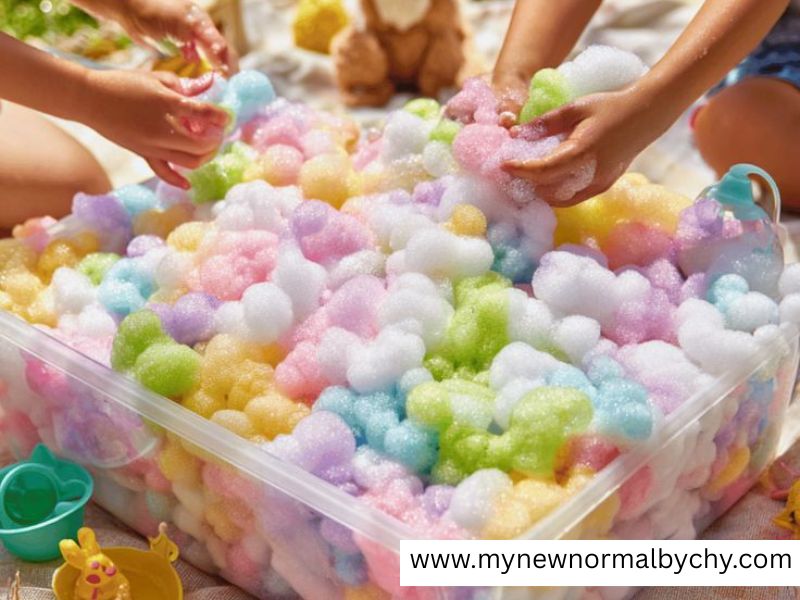
Mix water with tear-free soap to create lots of bubbles.
Provide:
- Whisks
- Cups
- Containers
Toddlers love exploring the texture of foam.
Skills Developed
- Sensory awareness
- Creativity
- Fine motor skills
12. Rubber Duck Rescue
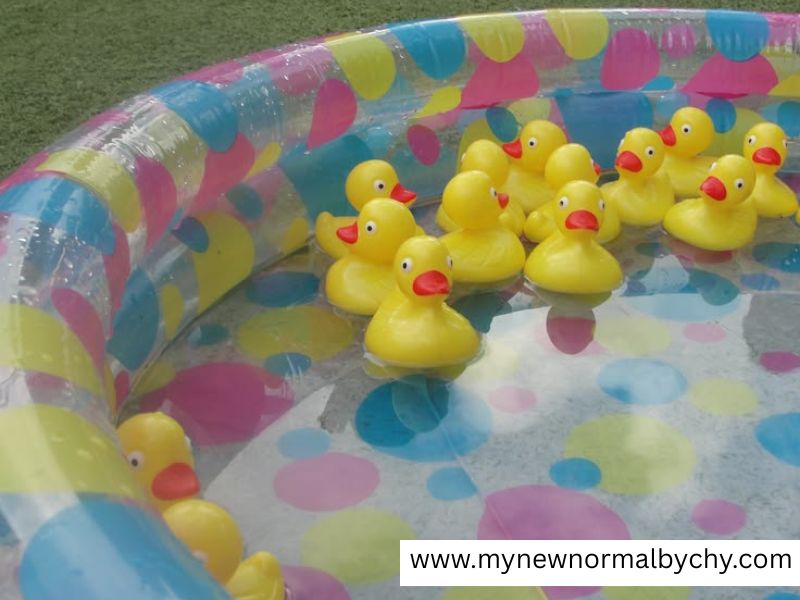
Place floating toys around a kiddie pool or water bin.
Give your toddler:
- Small nets
- Scoops
- Strainers
Challenge them to rescue the ducks and place them in a bucket.
Skills Developed
- Hand-eye coordination
- Focus
- Motor planning
13. Colored Ice Play
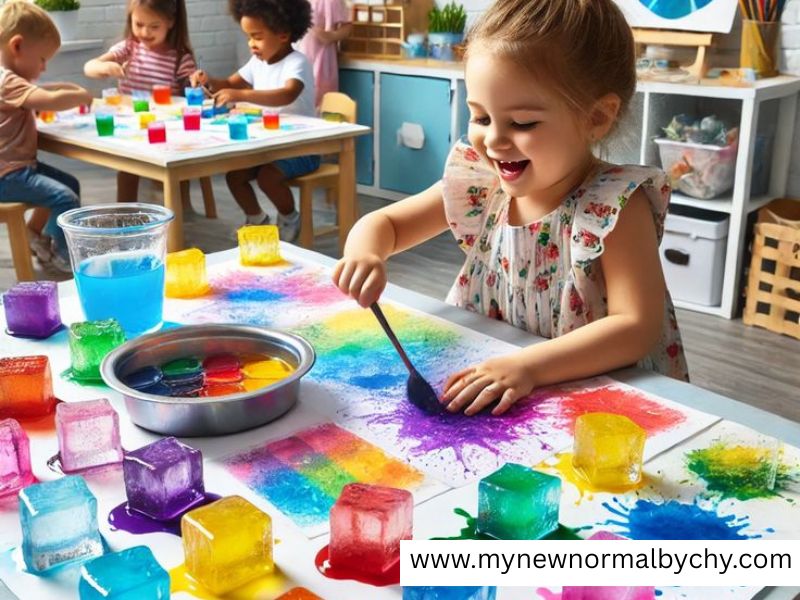
Freeze water with food coloring into large ice cubes.
Allow toddlers to:
- Touch
- Stack
- Watch them melt
- Move them around
This combines water play with sensory discovery.
Skills Developed
- Sensory exploration
- Color recognition
- Scientific observation
30 Fun Screen- Free Summer Activities For Busy Toddlers
The Best Sensory Play Ideas For Rainy Days
14. Watering the Garden
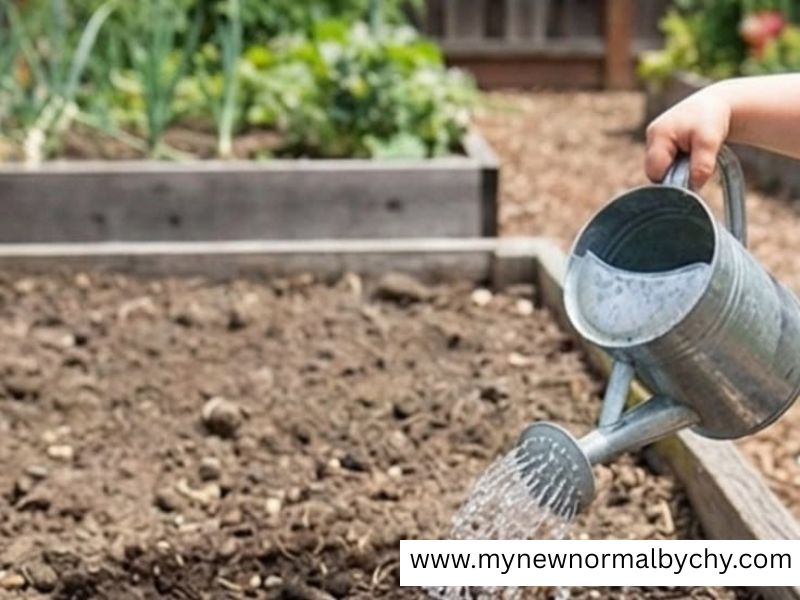
Give your toddler a small watering can.
Allow them to:
- Water flowers
- Water vegetables
- Care for plants
Children enjoy helping and learning responsibility.
Skills Developed
- Responsibility
- Coordination
- Nature awareness
15. Ocean-Themed Sensory Bin
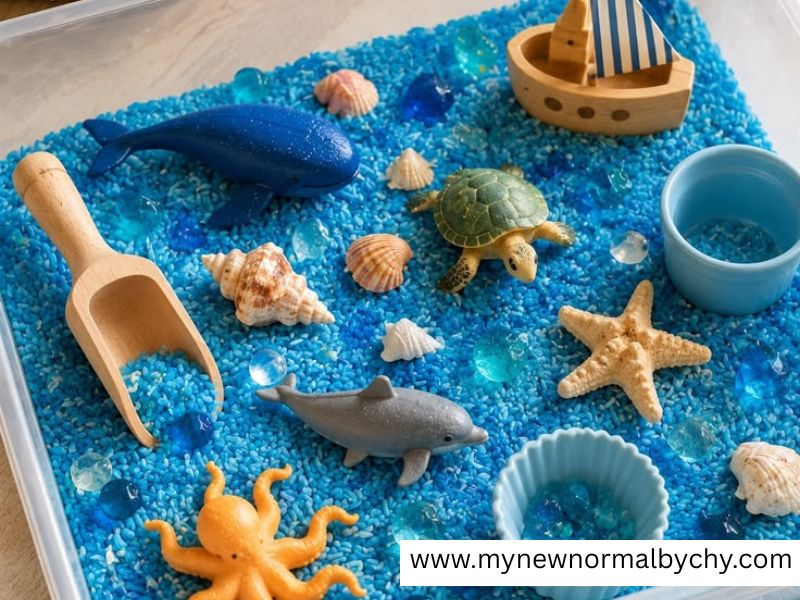
Fill a container with water and add:
- Plastic sea animals
- Boats
- Shells
- Cups
- Scoops
Create an imaginary ocean adventure.
Toddlers can invent stories while exploring water.
Skills Developed
- Language skills
- Creativity
- Imaginative play
Tips for Making Water Play More Engaging
1. Rotate Activities
You don’t need to offer all 15 activities at once. Rotating them throughout the summer keeps them fresh and exciting.
2. Add New Tools
Simple additions like funnels, cups, spoons, strainers, and watering cans can make familiar activities feel brand new.
3. Join the Fun
Toddlers often stay engaged longer when parents participate in play and conversation.
3. Encourage Exploration
Avoid directing every aspect of play. Give toddlers opportunities to experiment and discover on their own.
4. Keep It Simple
The most successful water activities are often the easiest ones. A bucket of water and a few cups can provide hours of entertainment.
How Water Play Supports Early Learning
Many parents are surprised to learn how educational water play can be.
During water activities, toddlers learn:
Science Skills
They observe:
- Floating and sinking
- Melting ice
- Water movement
- Cause and effect
Math Skills
They explore:
- Full and empty
- More and less
- Measuring
- Comparing sizes
Language Skills
Parents can introduce words such as:
- Pour
- Splash
- Float
- Sink
- Wet
- Dry
- Full
- Empty
Physical Skills
Water play strengthens both large and small muscles through pouring, lifting, squeezing, running, and splashing.
Conclusion
Water play is one of the easiest ways to create meaningful summer experiences for toddlers. These simple activities provide entertainment, learning opportunities, physical exercise, and sensory exploration while helping children stay cool during warm weather.
So, if you’re setting up a water table, running through a sprinkler, rescuing rubber ducks, or washing toy cars, every splash-filled moment supports your toddler’s growth and development.
The best part is that most of these activities require very little preparation, making them perfect for busy parents looking for screen-free summer fun.
Frequently Asked Questions
1. What age is appropriate for water play?
Most water play activities can be adapted for children as young as 12 months with close supervision. Always choose age-appropriate materials and activities.
2. How long should toddlers participate in water play?
Most toddlers enjoy water play for 20 to 60 minutes at a time, depending on the weather, activity, and their interest level.
3. Is water play educational?
Yes. Water play supports science learning, sensory development, language growth, fine motor skills, problem-solving, and creativity.
4. Can water play be done indoors?
Absolutely. Activities such as water bins, sponge play, floating experiments, and ice play can be set up indoors using towels or waterproof mats.
5. What supplies do I need for toddler water play?
Many activities require only simple items such as buckets, cups, spoons, funnels, watering cans, toy animals, and containers you already have at home.
6. How can I make water play safe?
Always supervise closely, stay within arm’s reach, use shallow water, and empty water containers immediately after play.
7. What if my toddler doesn’t like getting wet?
Start slowly with activities like water painting, ice exploration, or pouring water with cups. Allow your child to engage at their own comfort level.
8. How often should toddlers participate in water play?
Water play can be enjoyed several times a week during summer as long as proper supervision and safety precautions are followed.
Leave a Reply