Sensory play is one of the most powerful ways to support early childhood development while keeping toddlers and preschoolers meaningfully engaged. Young children naturally learn through their senses, and every touch, sound, smell, sight, and movement becomes part of how they understand the world around them.
Yet many parents struggle with sensory play in practice. It can feel messy, time-consuming, repetitive, or confusing to plan. Some worry about safety, others about cleanup, and many simply run out of ideas. This guide solves that problem by offering 25 expanded, easy-to-understand sensory activities that are practical, affordable, and developmentally beneficial.
25 Creative Sensory Activities for Toddlers and Preschoolers
Why Sensory Play Matters in Early Childhood
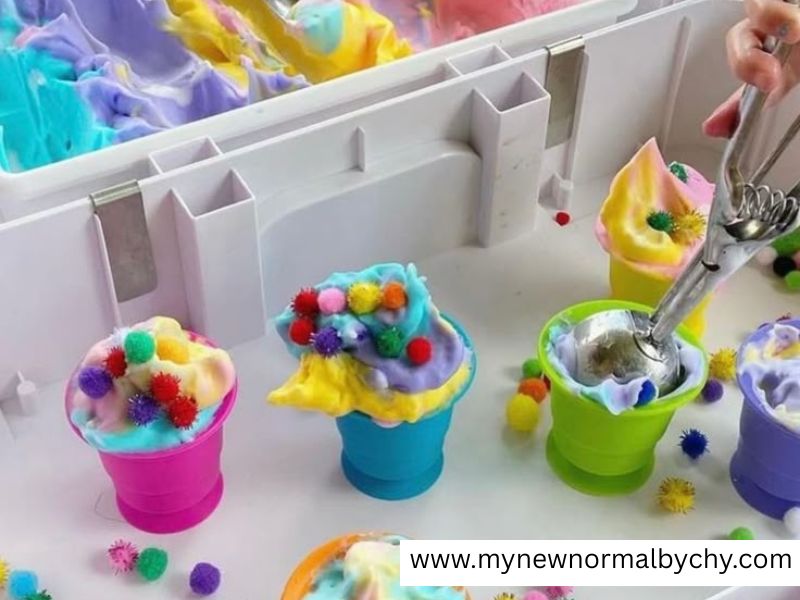
Sensory play is not just “fun play” it is foundational learning. When children engage in sensory experiences, their brains are actively building neural pathways that support higher cognitive functions later in life.
Sensory activities help children:
- Strengthen fine and gross motor skills
- Develop early language and communication abilities
- Improve attention span and focus
- Build problem-solving and reasoning skills
- Learn emotional regulation through calming input
- Encourage creativity and imagination
For toddlers especially, sensory play acts as a bridge between physical exploration and cognitive understanding. Instead of being told how the world works, they discover it themselves through hands-on interaction.
Common Pain Points Parents Face
Before we get into activities, it’s important to address the real challenges many parents experience:
1. Mess and Cleanup Stress
Many sensory materials like water, rice, sand, or paint can feel overwhelming. The fear of mess often stops parents from trying sensory play at all. However, structured setups using trays, mats, or outdoor spaces can significantly reduce cleanup stress.
2. Lack of Time
Parents often assume sensory play requires preparation. In reality, many activities take less than five minutes to set up and use everyday household items.
3. Short Attention Spans
Toddlers rarely stay engaged for long periods. This is normal. Sensory play is not about duration but about meaningful engagement, even if it lasts only a few minutes.
4. Cost Concerns
Many assume sensory play requires expensive kits or toys. In truth, most effective sensory materials come from kitchens, gardens, or recycling bins.
5. Uncertainty About What Is “Age Appropriate”
Parents often worry about safety or developmental suitability. The key is supervision and adjusting complexity based on the child’s stage.
25 Expanded Creative Sensory Activities
1. Rainbow Rice Sensory Bin
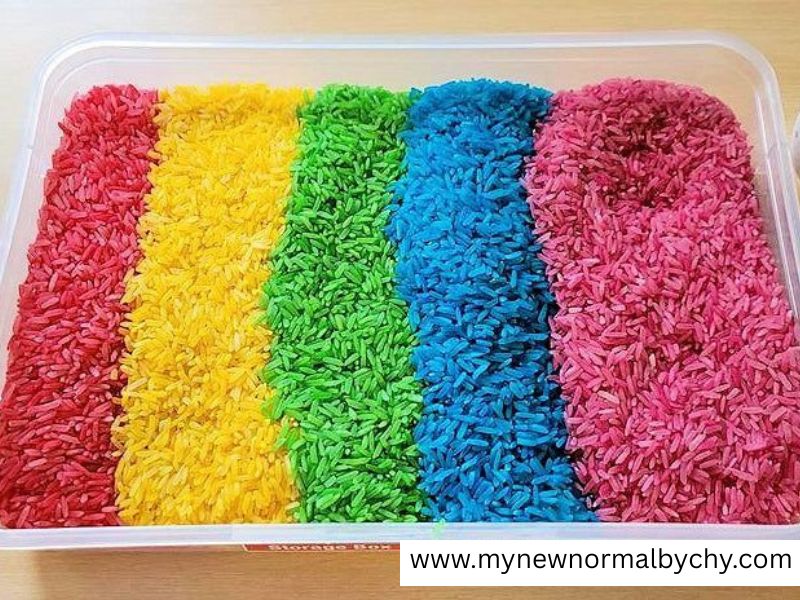
Rainbow rice is made by coloring uncooked rice and letting it dry before placing it in a container. It offers a rich tactile and visual experience as children scoop, pour, and transfer grains between cups and bowls. The sound of rice falling also adds an auditory layer, making it multi-sensory. Hiding small toys inside encourages problem-solving and extended engagement.
I recommend this :
25 Sensory Play Ideas for Toddlers With Autism
2. Water Bead Exploration
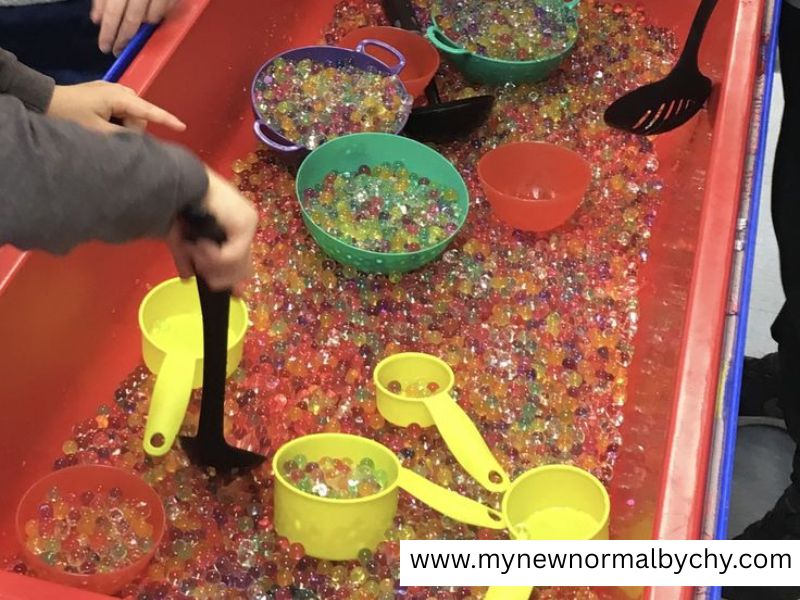
Water beads are gel-like spheres that expand in water and feel slippery and squishy. Children enjoy squeezing, scooping, and watching them bounce. This activity strengthens hand muscles and improves sensory tolerance, but requires close supervision due to their size.
3. Ice Cube Treasure Hunt
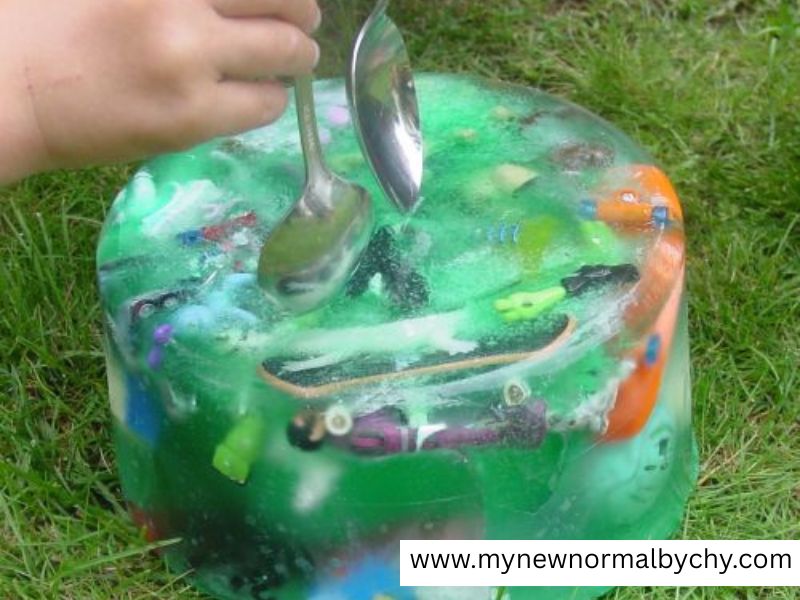
Small toys are frozen inside ice cubes. As children use warm water, spoons, or droppers to melt the ice, they observe cause and effect while practicing fine motor control. It also introduces early scientific thinking about temperature and change.
4. Cloud Dough
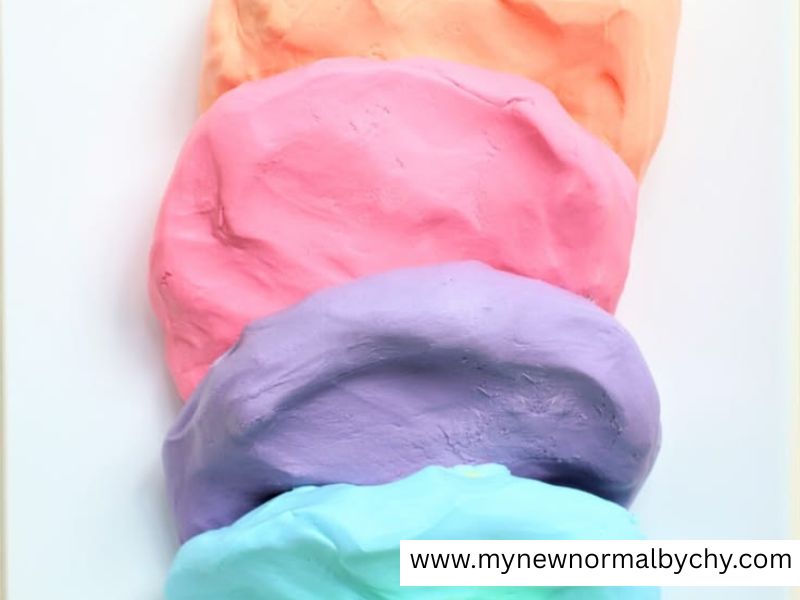
Cloud dough is made from flour and baby oil, creating a soft, moldable texture similar to sand. Children can press, crumble, and shape it, building hand strength and imaginative play skills such as baking or construction.
5. Nature Sensory Bin
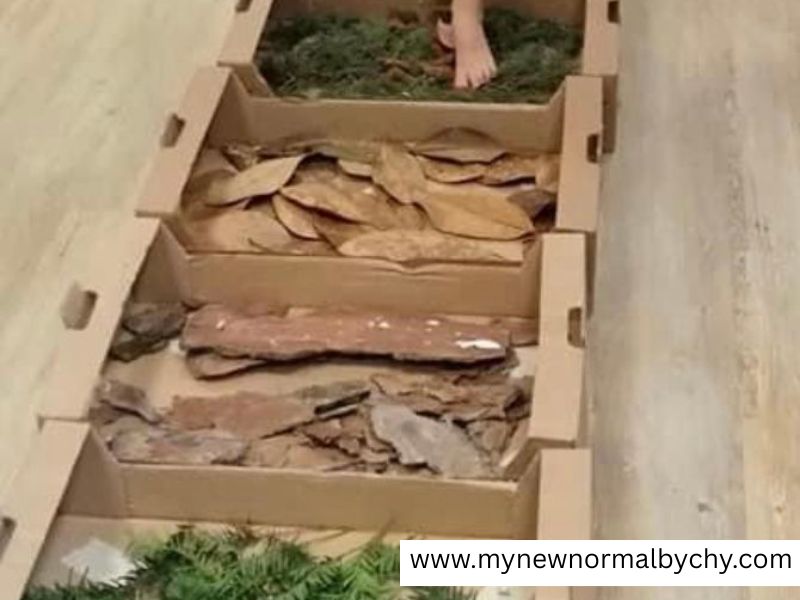
Natural items like leaves, stones, and sticks are collected and explored in a container. This activity strengthens classification skills and introduces descriptive vocabulary such as rough, smooth, and soft while connecting children to nature.
6. Shaving Cream Play
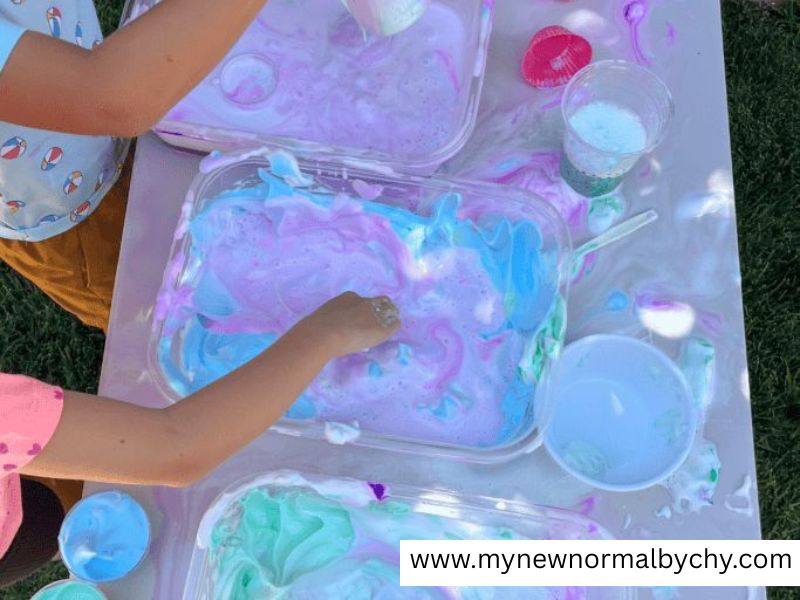
Shaving cream spread on a tray allows children to draw shapes, letters, and patterns. It provides calming sensory input while supporting early writing skills and creative expression.
7. Water Transfer Station
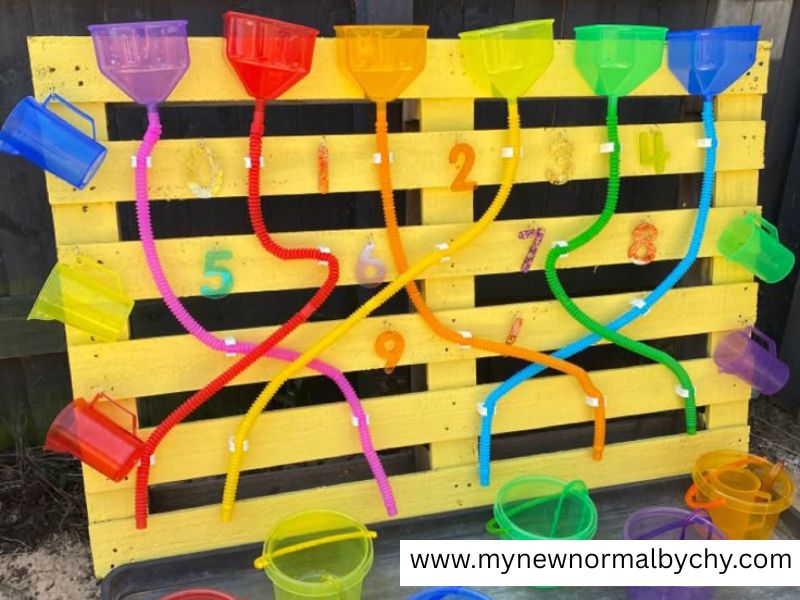
Children use cups, funnels, and spoons to move water between containers. This teaches volume, coordination, and early scientific thinking about flow and measurement.
8. Frozen Animal Rescue
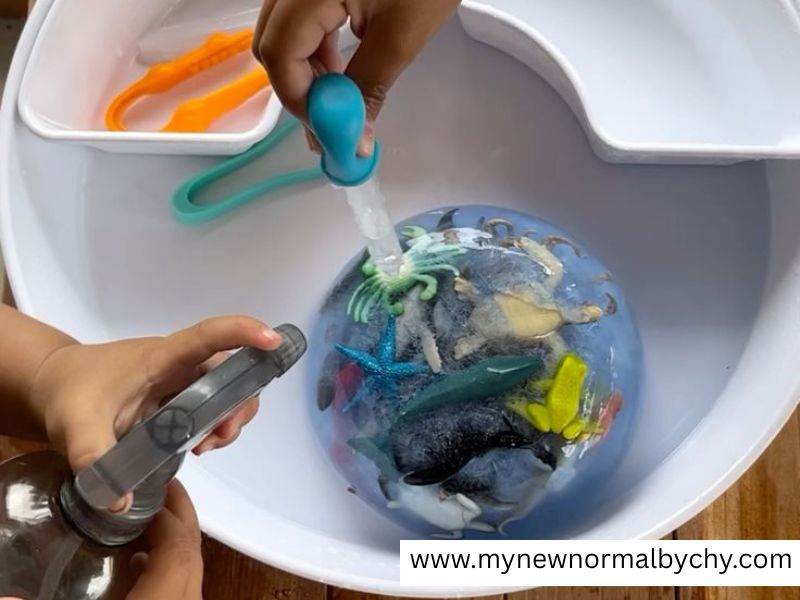
Toy animals are trapped in ice and must be freed using warm water or tools. Children develop patience, persistence, and problem-solving skills while observing melting.
9. Sensory Bottles
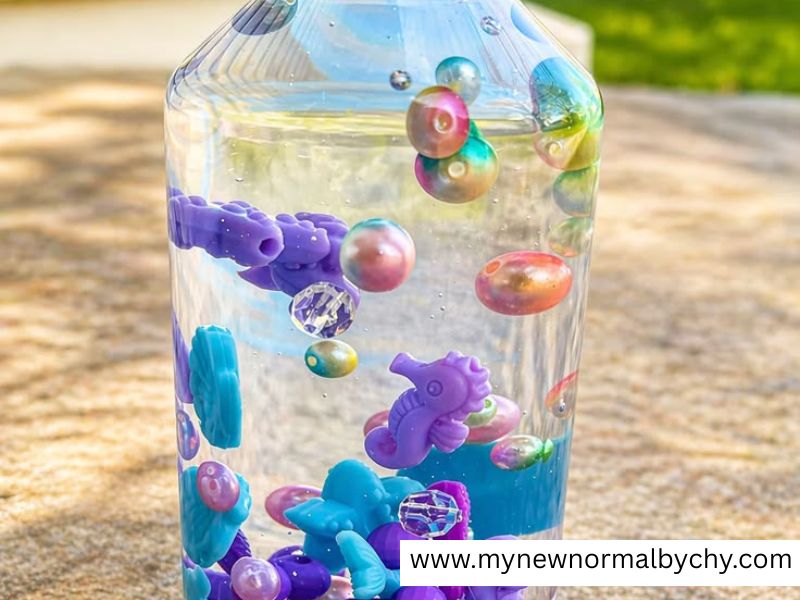
Bottles filled with glitter, beads, or colored liquid provide calming visual stimulation. They help children self-regulate emotions and are useful during transitions or quiet time.
10. Bubble Foam Play
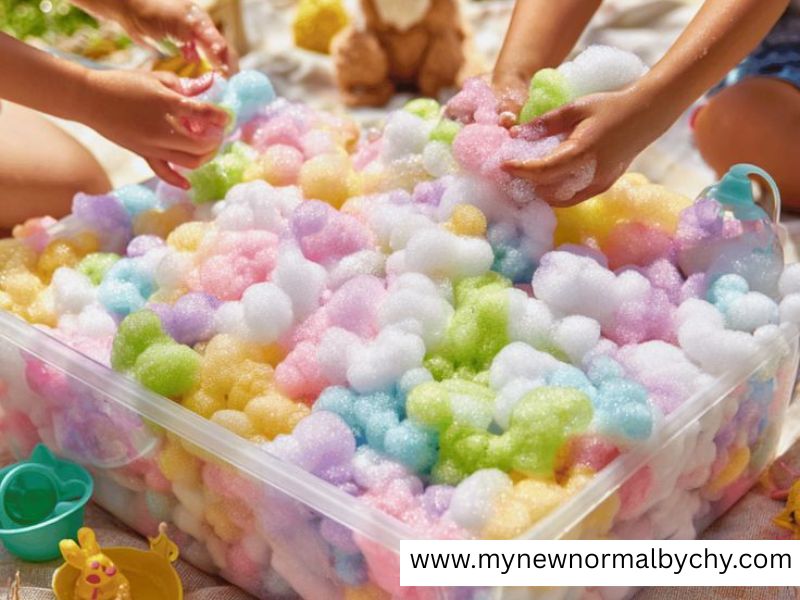
Soap, water, and food coloring create foam that children can squeeze and mold. This activity introduces transformation concepts and provides satisfying tactile feedback.
11. Pasta Sensory Bin
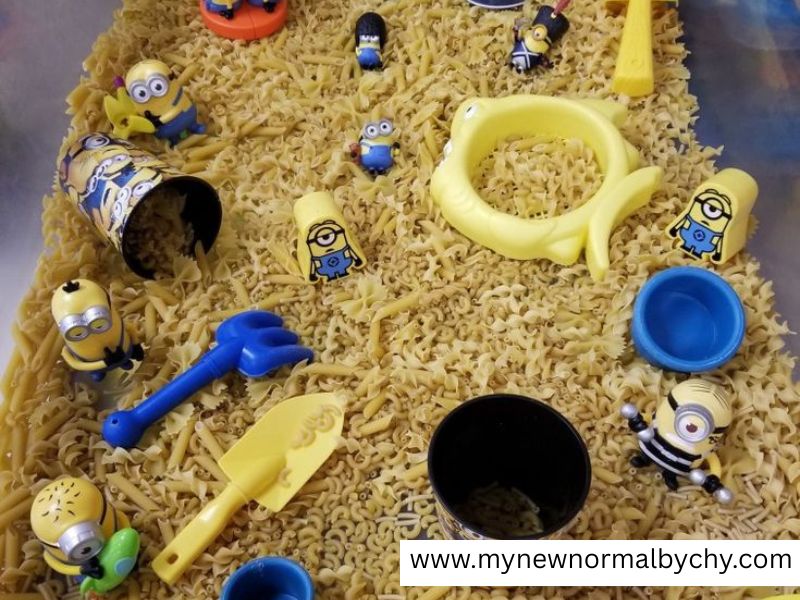
Uncooked pasta offers varied textures and shapes for scooping, sorting, and pretend play. It strengthens fine motor skills and encourages categorization.
12. Mud Kitchen Fun
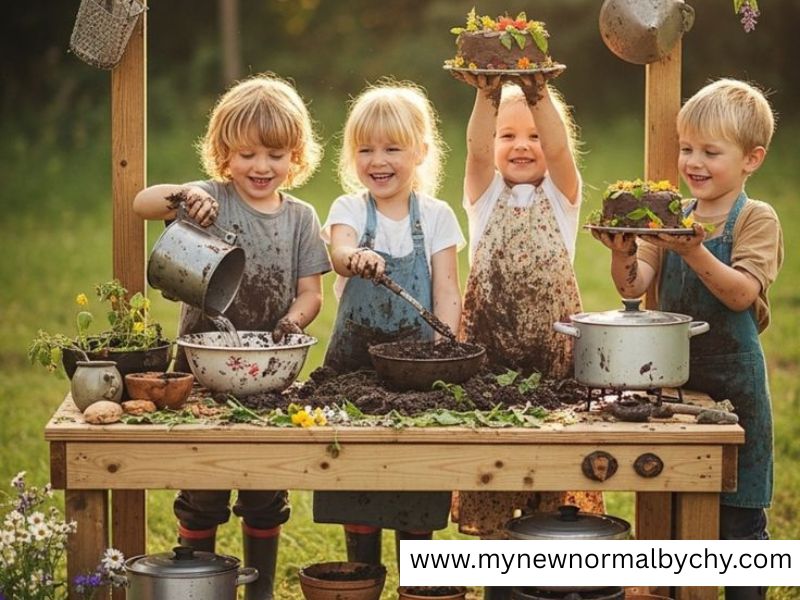
Outdoor mud play allows children to mix natural materials freely. It encourages creativity, sensory tolerance, and social interaction while reducing indoor mess.
13. Cotton Ball Sorting
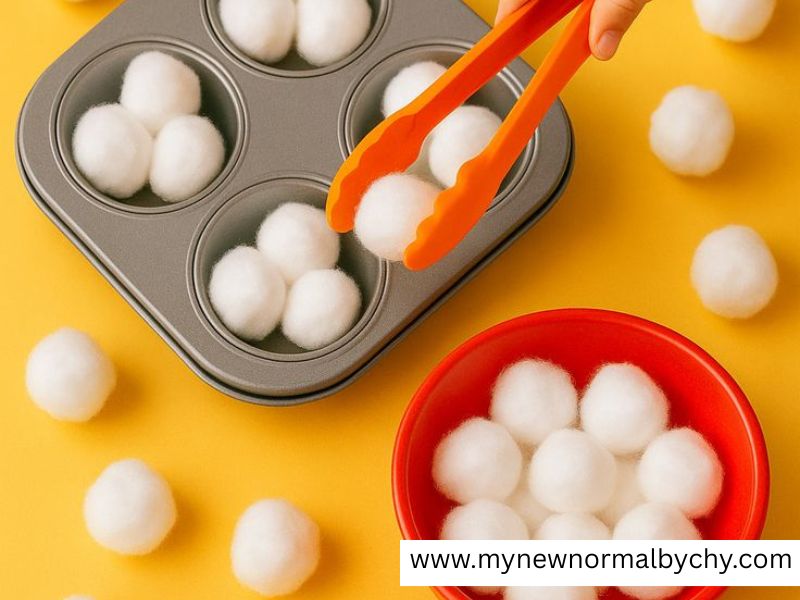
Cotton balls are sorted using hands or tweezers. This strengthens grip and coordination while introducing sorting and color recognition.
14. Sand Writing Tray
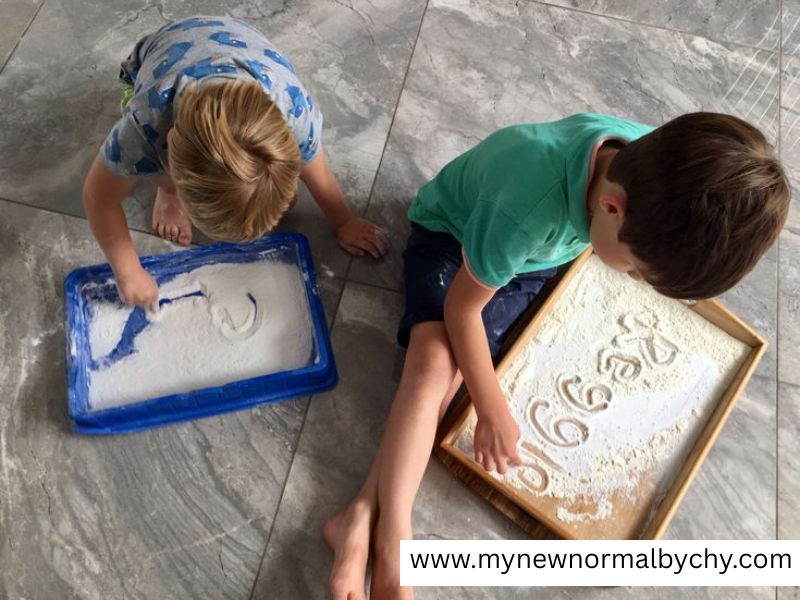
A shallow tray filled with sand allows children to draw letters and shapes. Mistakes can be erased easily, making it ideal for early writing practice.
15. Scented Play Dough
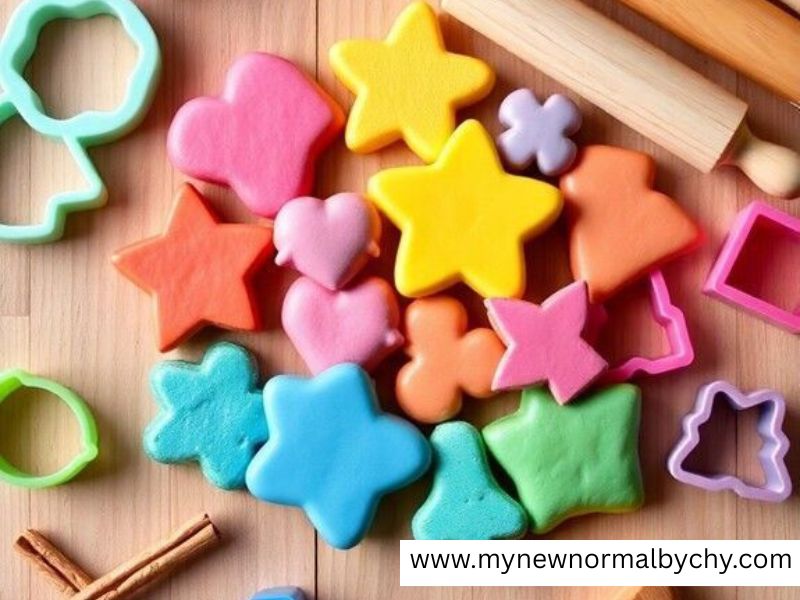
Adding scents like vanilla or lavender introduces smell-based sensory input. It enhances engagement and can have calming or energizing effects depending on scent.
16. Pom-Pom Rescue
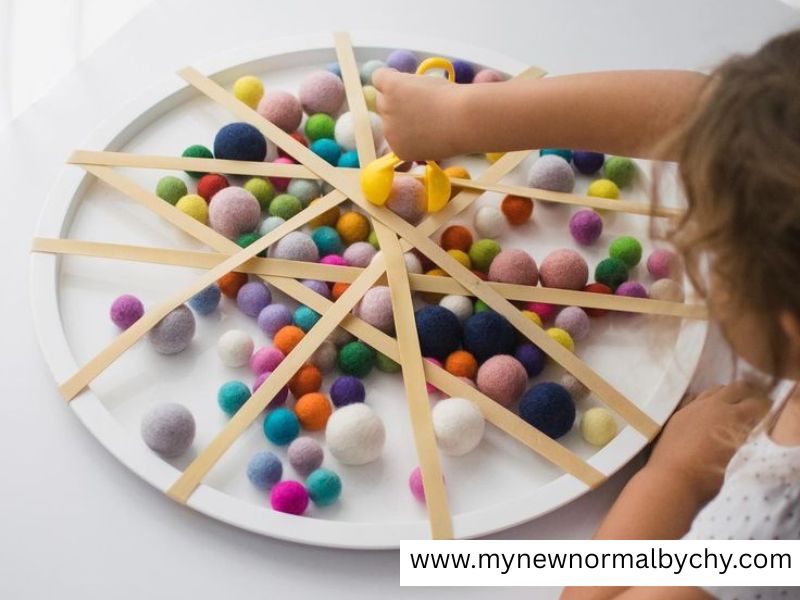
Pom-poms are trapped inside a whisk and must be removed. This builds finger strength, coordination, and problem-solving skills.
17. Colored Water Mixing
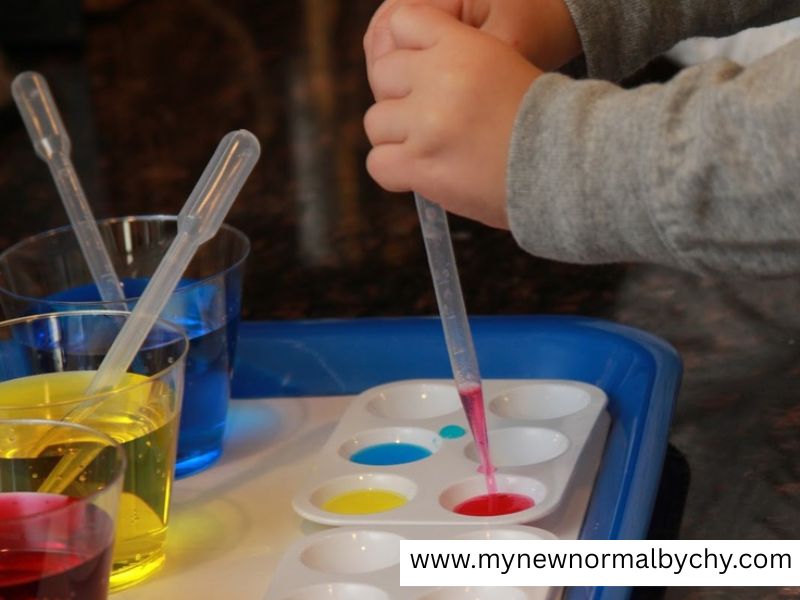
Children mix colored liquids to observe how new colors are formed. This introduces early color theory and experimentation.
18. Texture Walk
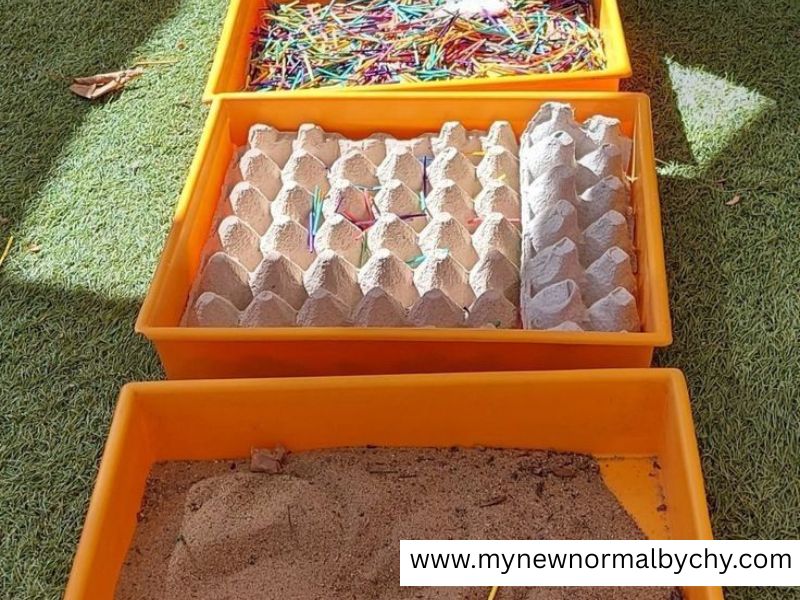
A path made of different surfaces allows children to walk barefoot and experience textures. It supports balance, coordination, and sensory awareness.
19. Oobleck
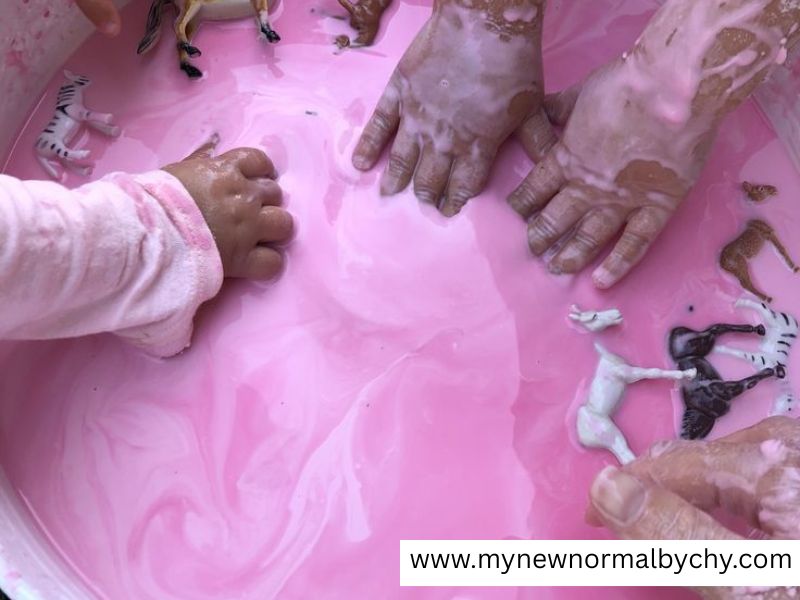
A cornstarch and water mixture that behaves as both liquid and solid. Children explore unusual physical properties, sparking curiosity and scientific thinking.
20. Musical Sensory Station
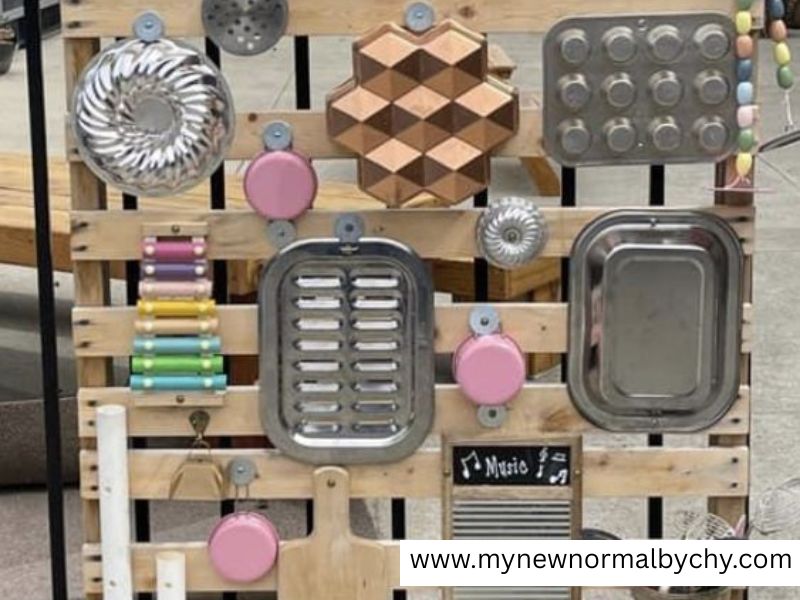
Instruments like drums and bells allow children to explore sound, rhythm, and volume, improving auditory processing and coordination.
21. Sponge Water Play
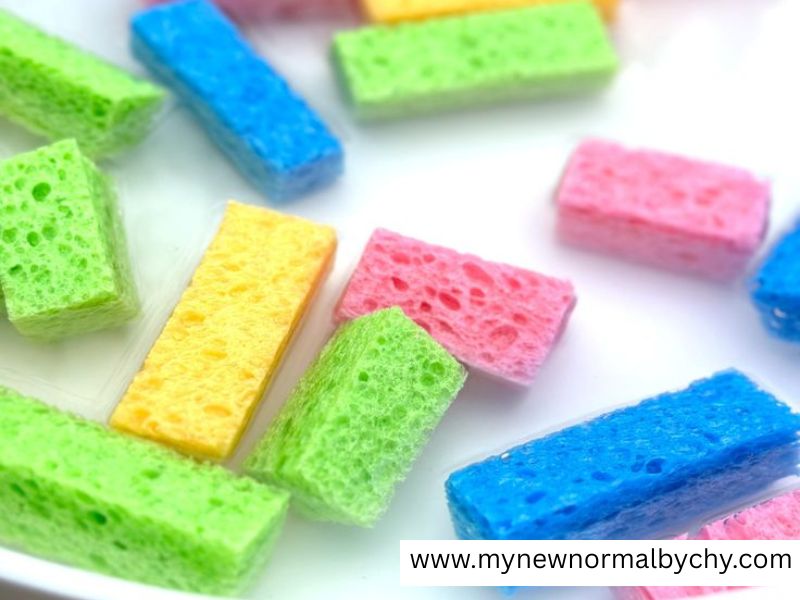
Sponges soaked in water are squeezed into containers. This strengthens hand muscles and teaches cause and effect.
22. Sticker Sensory Board
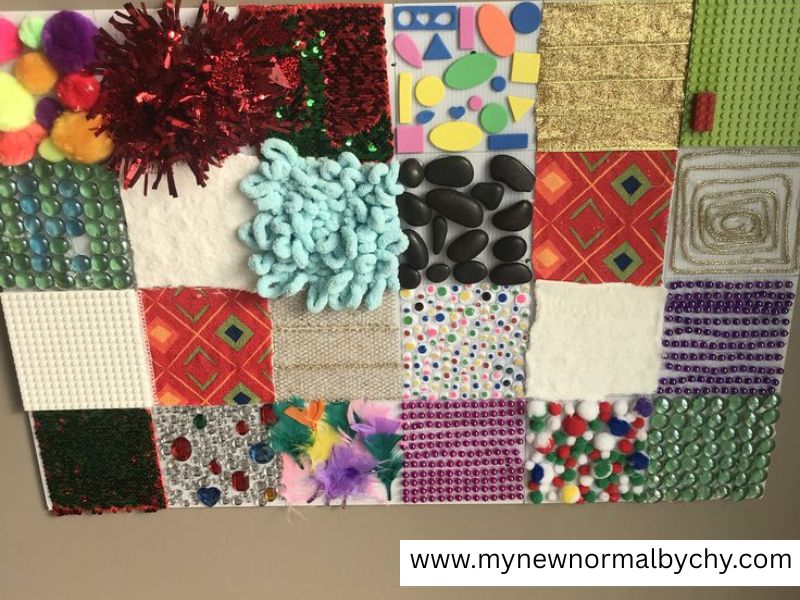
Peeling and placing stickers improves fine motor precision and focus while encouraging independent play.
23. Treasure Dig
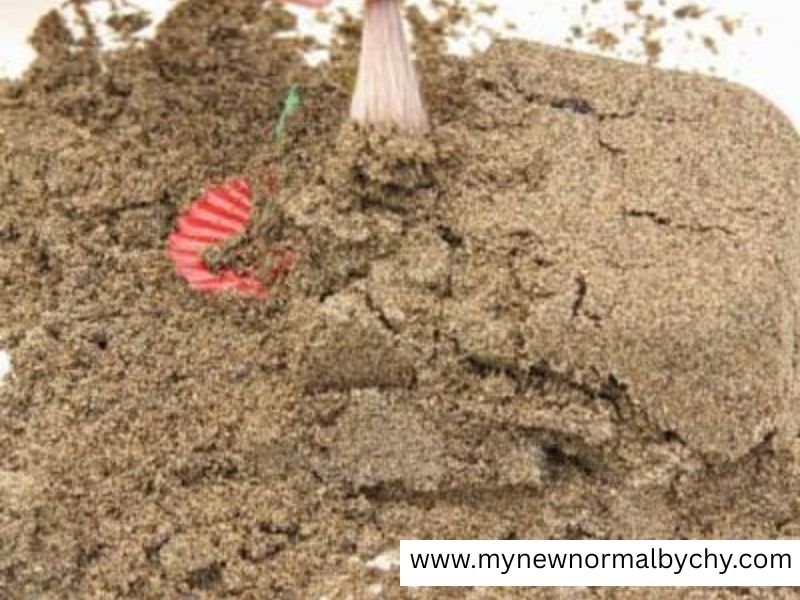
Objects hidden in sensory materials encourage digging and discovery. It builds persistence and excitement for problem-solving.
24. Fruit and Vegetable Exploration
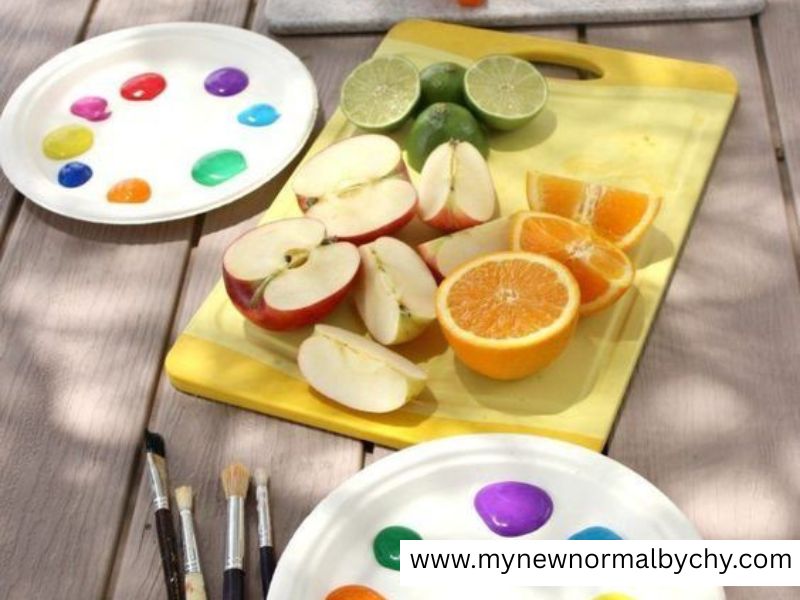
Children explore real foods through touch, smell, and sight. This builds vocabulary and supports healthy eating awareness.
25. DIY Sensory Path
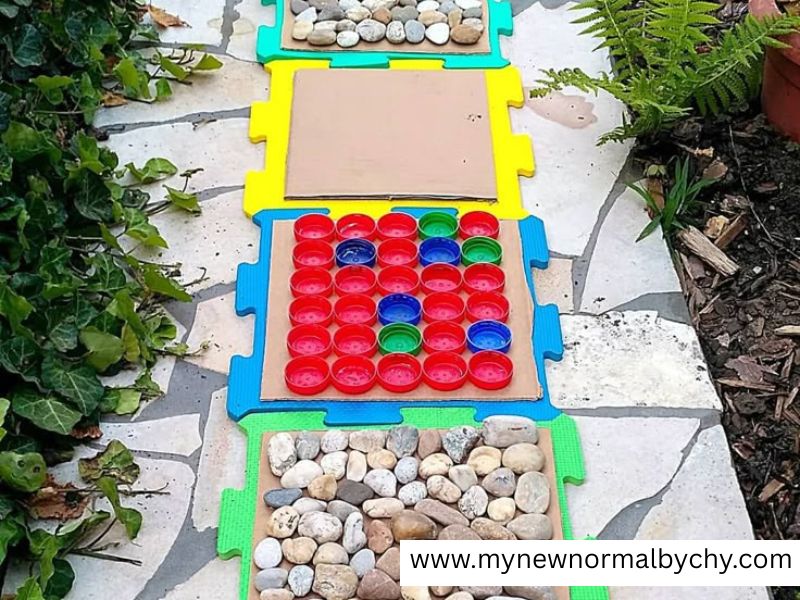
A structured path of textures and movements supports gross motor skills, balance, and coordination through active play.
My Final Thoughts
Sensory play is one of the simplest yet most powerful ways to support early childhood development. It does not require expensive materials or complex setups, just creativity and consistency. Even short sensory sessions can significantly improve a child’s cognitive, emotional, and physical development.
By rotating these 25 activities, parents can keep learning fresh, engaging, and developmentally rich while reducing screen time and encouraging hands-on exploration.
Leave a Reply