Parenting a toddler with autism comes with unique joys, challenges, and learning experiences. One day, your child may spend thirty minutes happily watching water flow from one cup to another. The next day, they may become overwhelmed by a sound, texture, or activity that seems completely ordinary to everyone else.
If you’ve ever struggled to keep your toddler engaged, wondered why they avoid certain textures, or searched for activities that support their development while keeping them happy, you’re not alone.
Many autistic toddlers experience sensory processing differences.
This means their brains may respond to sights, sounds, smells, movements, and textures differently than other children. Some toddlers actively seek sensory experiences, while others may avoid them because they feel overwhelming.
As a parent, this can create daily challenges. You may find yourself dealing with meltdowns, difficulty with transitions, limited communication, or activities that fail to hold your child’s attention for more than a few minutes.
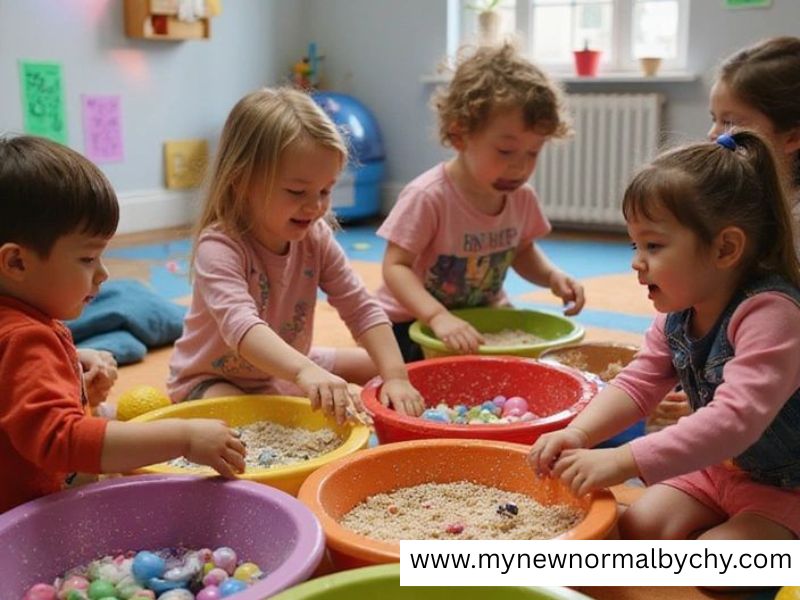
This is where sensory play can make a big difference.
Sensory play gives children safe opportunities to explore their environment using their senses. It can support learning, communication, emotional regulation, and motor development while providing an enjoyable way to play.
The best part? Many sensory activities require only simple items you already have at home.
In this guide, you’ll discover 25 sensory play ideas for toddlers with autism, learn why sensory play is beneficial, and find answers to some of the most common questions parents ask.
25 Sensory Play Ideas for Toddlers With Autism
Why Sensory Play Matters for Toddlers With Autism
Sensory play is more than just a fun activity. It plays an important role in helping autistic toddlers understand and interact with the world around them.
Many children with autism experience sensory processing differences. Some seek constant sensory input through movement, touching objects, or making sounds. Others may become overstimulated by everyday experiences that most people barely notice.
Sensory play can help by providing controlled sensory experiences in a safe and predictable environment.
Some benefits of sensory play include:
- Encourages communication and language development
- Supports emotional regulation
- Builds fine motor skills
- Improves focus and concentration
- Encourages independent play
- Promotes creativity and problem-solving
- Helps children become more comfortable with different textures and sensations
Remember that every child is unique. What works wonderfully for one toddler may not appeal to another. The goal isn’t to force participation but to discover activities your child enjoys and benefits from.
1. Rainbow Rice Sensory Bin
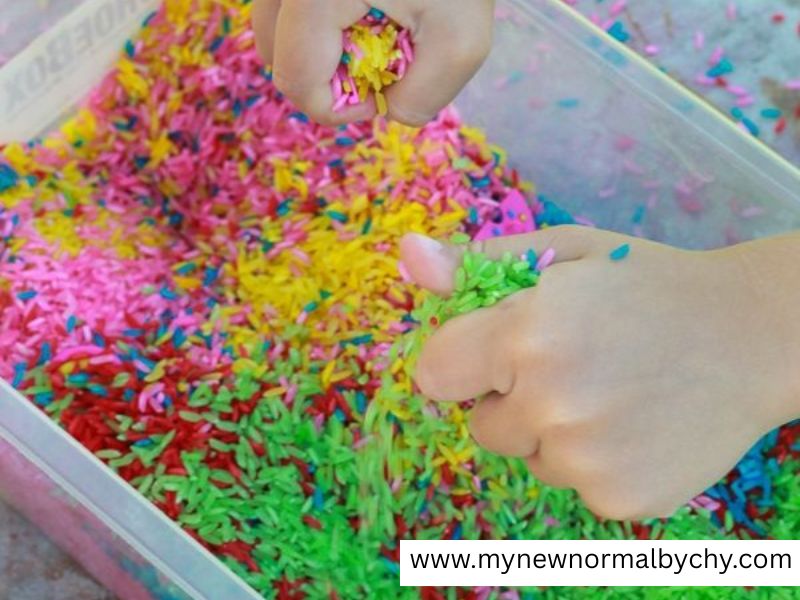
A rainbow rice sensory bin is a colorful and engaging activity that many toddlers enjoy. Fill a large container with colored rice and hide small toys, letters, or plastic animals inside.
Your toddler can scoop, pour, and search for hidden treasures while exploring different textures. This activity supports fine motor development because children use their hands, cups, and spoons to manipulate the rice.
For autistic toddlers who enjoy tactile sensory experiences, the feeling of rice running through their fingers can be both calming and satisfying. If your child is hesitant about new textures, allow them to explore slowly without pressure.
2. Water Play Station
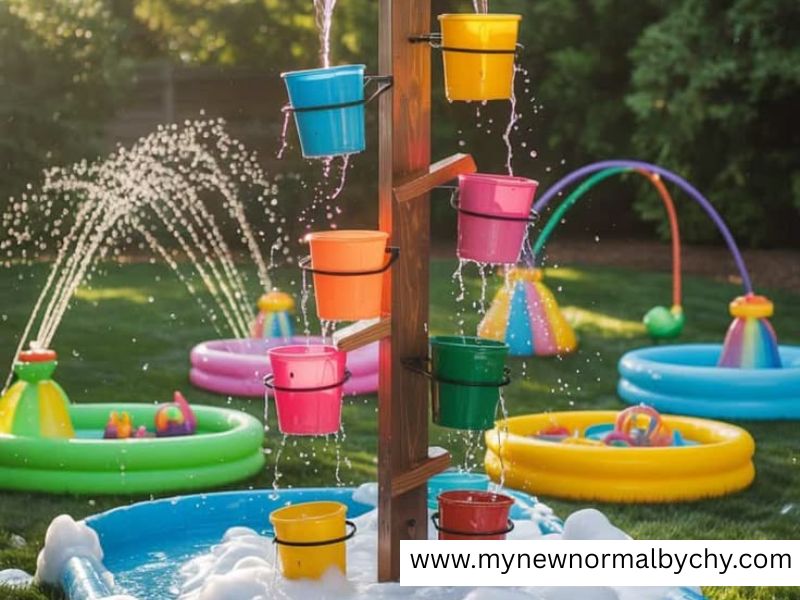
Water play is often one of the most loved sensory activities among autistic children. Fill a shallow container or water table with water and provide cups, funnels, measuring spoons, and floating toys.
The soothing sensation of water can help reduce stress and encourage relaxation. Water play also introduces basic science concepts as children observe floating, sinking, pouring, and splashing.
Parents often appreciate this activity because it can keep toddlers engaged for extended periods while supporting sensory exploration and problem-solving skills.
3. Homemade Play Dough Exploration

Play dough offers endless opportunities for sensory learning. Toddlers can squeeze, roll, flatten, poke, and stretch the dough in countless ways.
The resistance provided by play dough helps strengthen hand muscles that will later support writing and self-care skills. For children who enjoy tactile input, the texture can be very satisfying.
Try adding scents such as vanilla or lemon to create an additional sensory experience. Cookie cutters, rolling pins, and toy stamps can make the activity even more exciting.
4. Ice Cube Discovery Activity
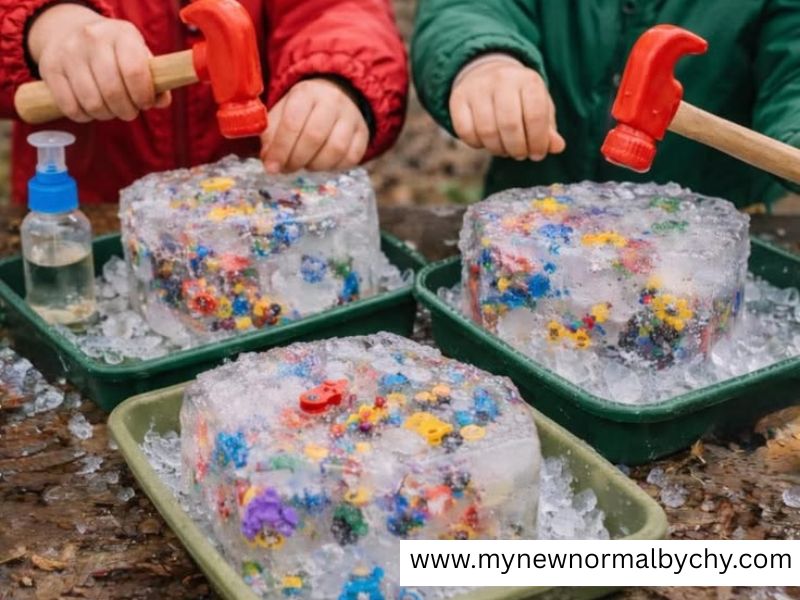
Freeze small toys inside ice cubes and allow your toddler to explore ways to free them.
The cold sensation introduces a completely different sensory experience while encouraging patience and curiosity. Children can use warm water, spoons, or simply their hands to melt the ice.
This activity encourages observation, problem-solving, and exploration while providing unique tactile stimulation.
5. Bubble Wrap Walk
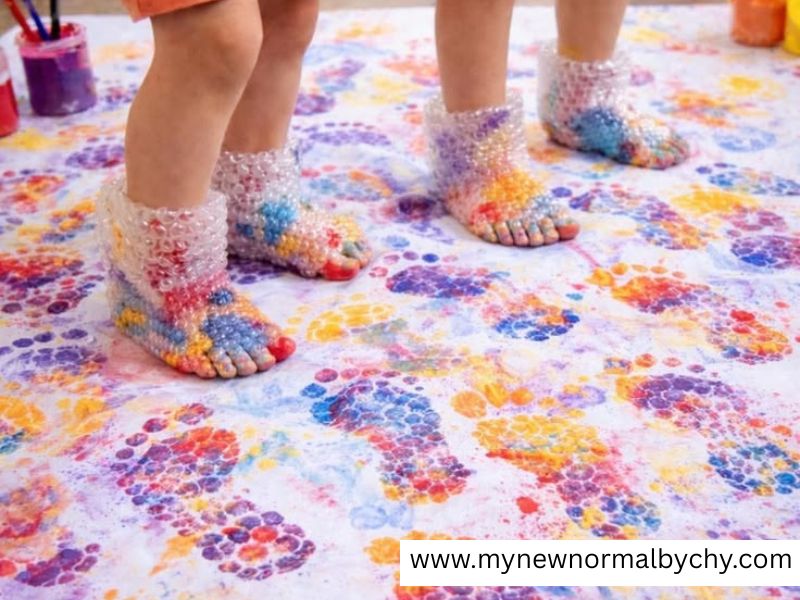
Most adults enjoy popping bubble wrap, so it’s no surprise that toddlers find it fascinating too.
Lay bubble wrap on the floor and encourage your child to walk, crawl, jump, or stomp across it. The combination of sound, texture, and movement creates a rich sensory experience.
For children who enjoy sensory feedback through movement, this activity can be both exciting and rewarding.
6. Sensory Bottles
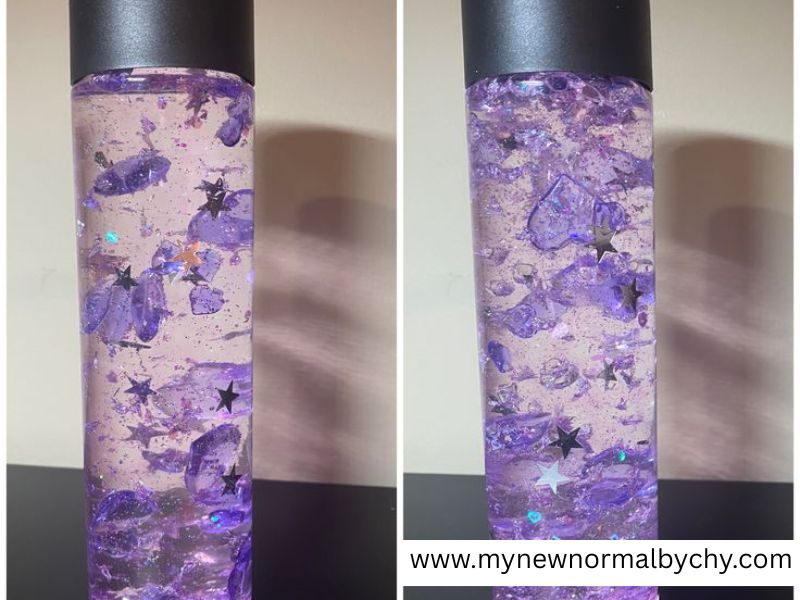
Sensory bottles are simple yet highly effective tools for calming and engagement.
Fill clear plastic bottles with water, glitter, beads, pom-poms, or colorful objects. Secure the lid tightly before allowing your child to play.
Many autistic toddlers enjoy watching the contents move and settle. Sensory bottles can be particularly helpful during transitions, quiet time, or moments when a child feels overwhelmed.
7. Finger Painting Fun

Finger painting encourages creativity while providing valuable sensory input.
Instead of using brushes, allow your child to use their hands to spread paint across paper. This introduces texture, color exploration, and creative expression.
Some children may initially dislike the feeling of paint on their hands. If that’s the case, start with small amounts and allow them to observe before participating.
8. Kinetic Sand Play
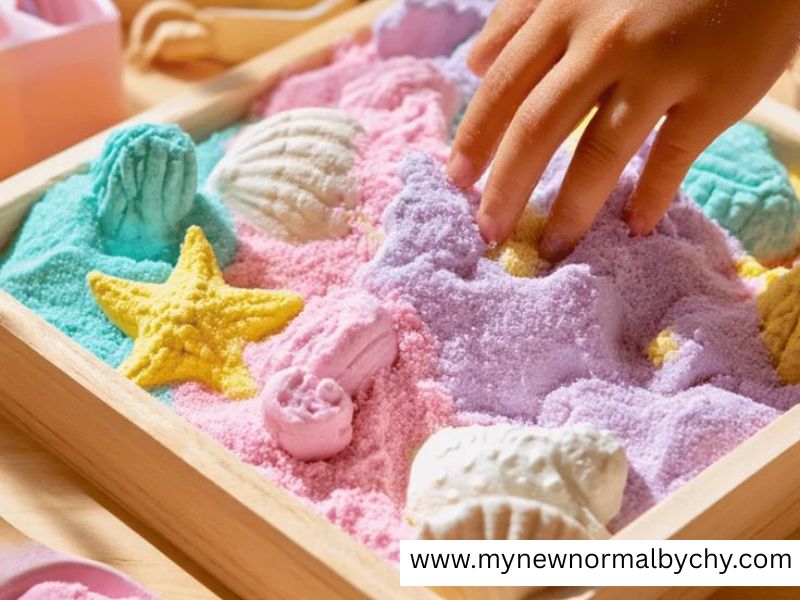
Kinetic sand has a unique texture that feels soft, moldable, and slightly magical.
Children can squeeze it, build with it, and watch it flow through their fingers. Many autistic toddlers enjoy the calming sensory feedback it provides.
Unlike traditional sand, kinetic sand is less messy and easier to manage indoors.
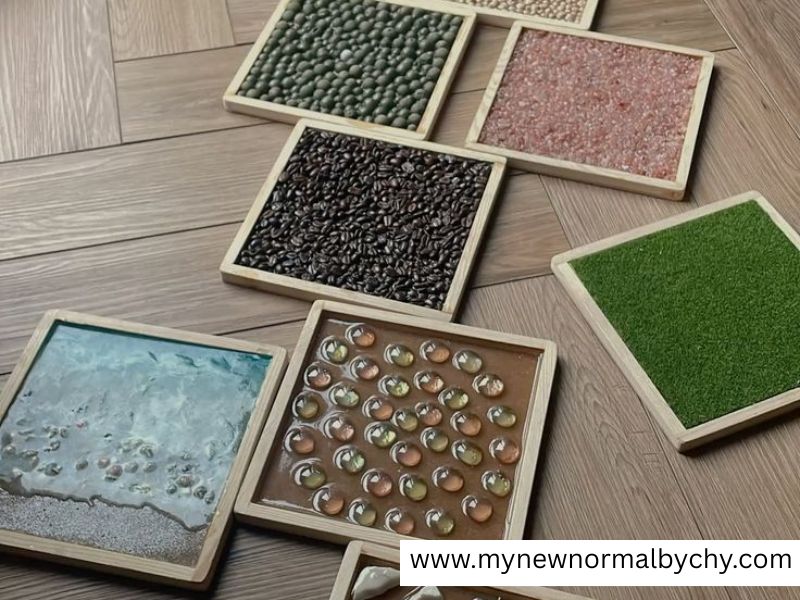
9. Texture Board Exploration
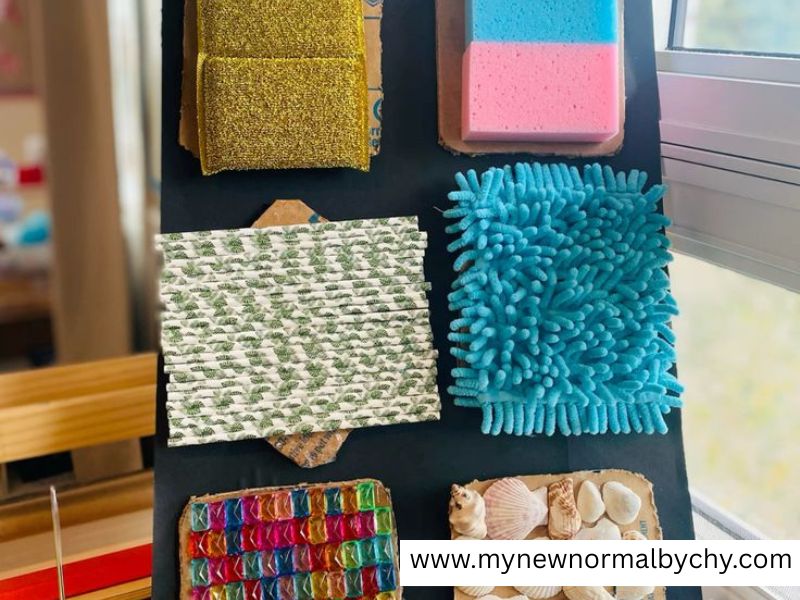
Create a board featuring different materials such as felt, cotton, velvet, sandpaper, and foam.
This activity helps children safely explore various textures while learning to identify differences between them.
Texture boards are especially helpful for toddlers who may be sensitive to certain materials because they allow gradual exposure in a controlled environment.
10. Oatmeal Sensory Bin
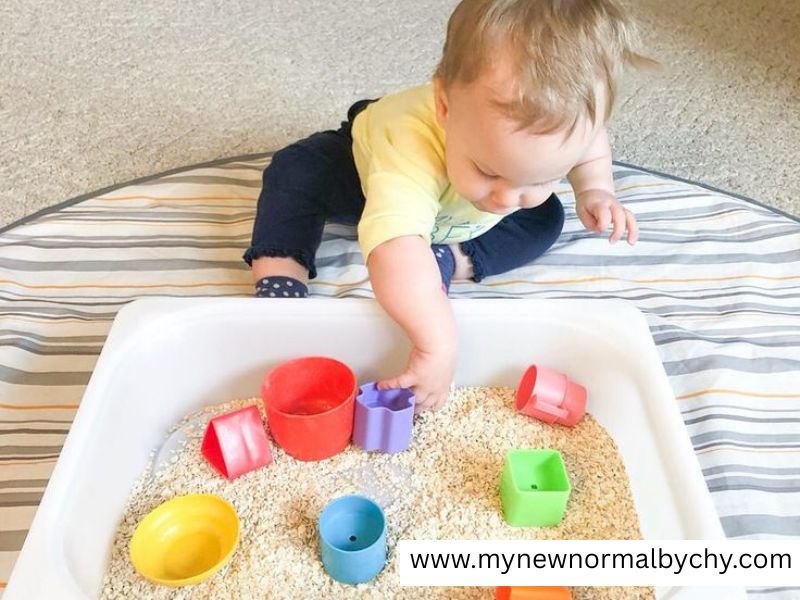
If rice feels too rough, oatmeal offers a softer alternative.
Fill a bin with dry oats and provide scoops, cups, and small toys. The softer texture may be more comfortable for children who are sensitive to tactile sensations.
This simple activity encourages sensory exploration and fine motor practice.
11. Nature Sensory Walk
Nature provides endless sensory experiences without requiring expensive supplies.
Take a walk and encourage your toddler to notice leaves, flowers, tree bark, grass, and different sounds around them.
Outdoor sensory exploration can support curiosity, observation skills, and appreciation for the natural world.
12. Musical Instrument Play
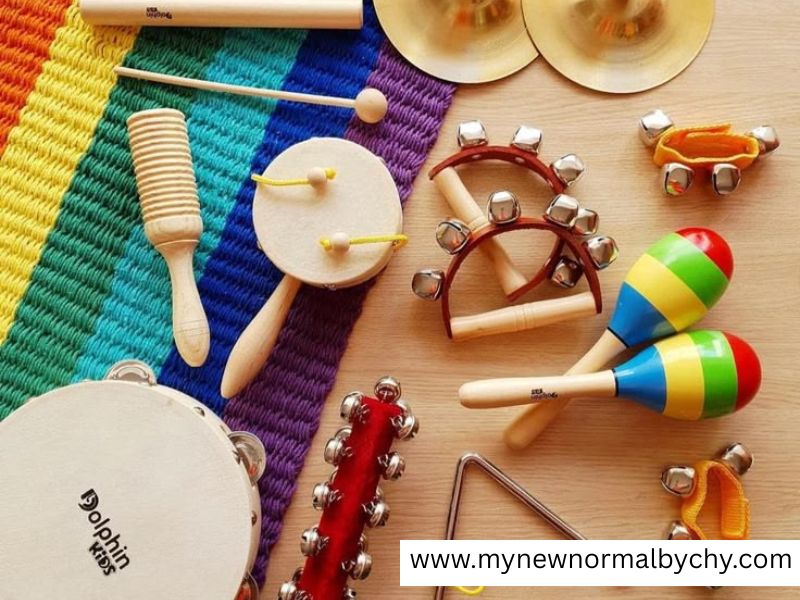
Music can be a wonderful sensory experience for autistic toddlers.
Introduce simple instruments such as shakers, tambourines, drums, or xylophones. Allow your child to experiment with creating different sounds.
Music activities help support auditory processing, coordination, and self-expression.
13. Foam Play
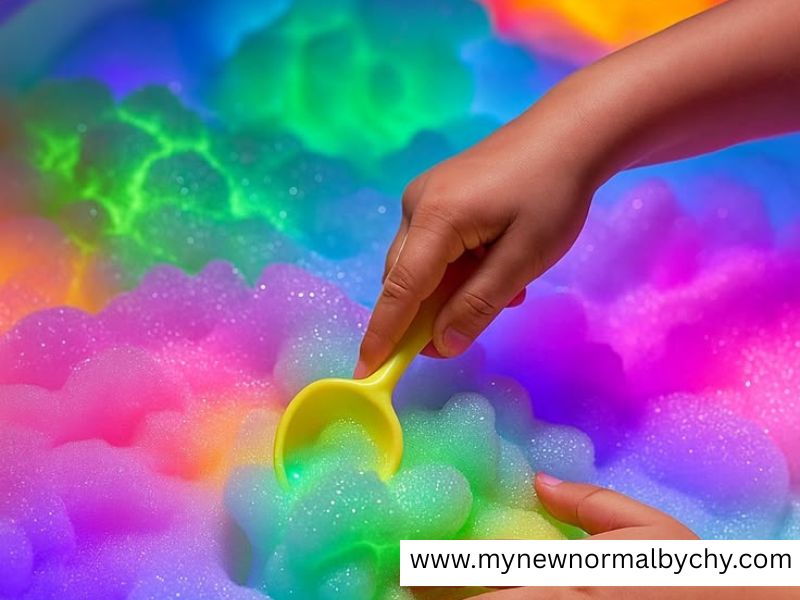
Create foam using mild soap and water, then place it in a large container.
Children can scoop, squish, and spread the foam while exploring its fluffy texture.
Foam play introduces a sensory experience that feels very different from water, sand, or play dough, making it a fun way to expand sensory exploration.
14. Cotton Ball Transfer Game

Place cotton balls in one container and provide a spoon, scoop, or child-safe tongs.
Encourage your toddler to transfer the cotton balls into another container.
Although simple, this activity strengthens fine motor skills, hand-eye coordination, and concentration.
25 Sensory Play Ideas for Toddlers With Autism
15. Flashlight Exploration
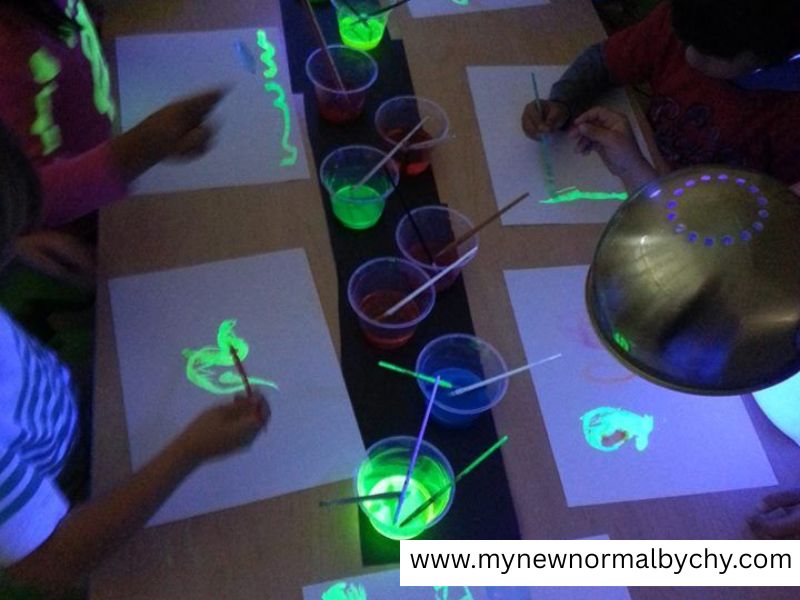
Dim the lights and use flashlights to create interesting patterns and shadows.
Many autistic toddlers are fascinated by visual sensory experiences, and flashlight play can provide hours of exploration.
You can shine lights on walls, create shadow shapes, or place colored paper over the flashlight for added interest.
16. Edible Finger Paint
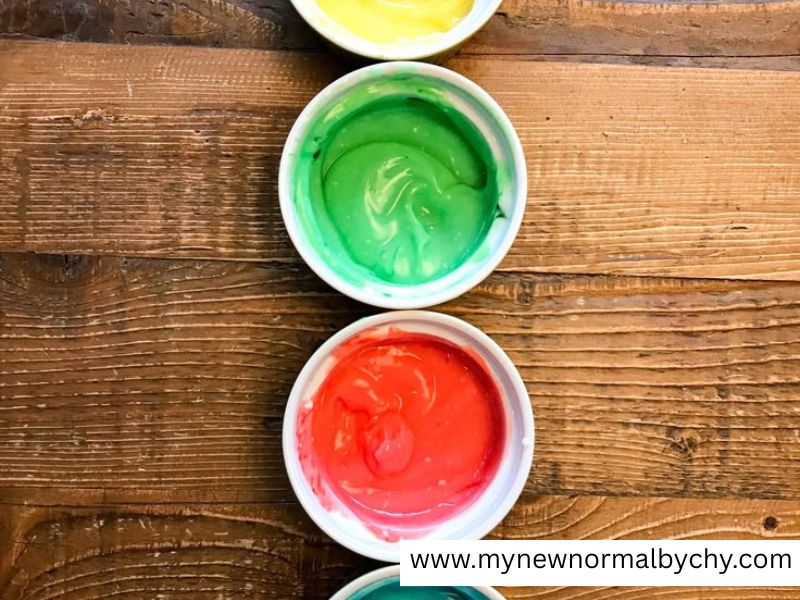
For toddlers who frequently put objects in their mouths, edible finger paint can be a safer option.
Mix yogurt with food coloring and allow your child to paint on a tray or highchair surface.
This activity combines sensory exploration with peace of mind for parents.
17. Frozen Sensory Bags
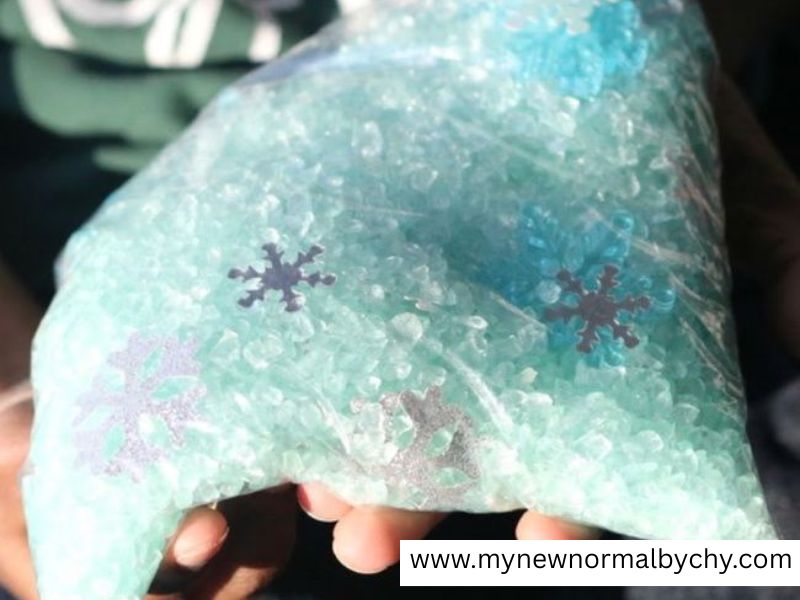
Fill zip-top bags with colored water, glitter, or small objects and freeze them.
Children can squeeze and explore the changing textures as the contents begin to thaw.
This introduces temperature-based sensory experiences while minimizing mess.
18. Sound Matching Containers

Fill small containers with materials such as rice, beans, pasta, or beads.
Shake the containers and encourage your child to identify matching sounds.
This activity supports listening skills, auditory discrimination, and concentration.
19. Pom-Pom Sorting
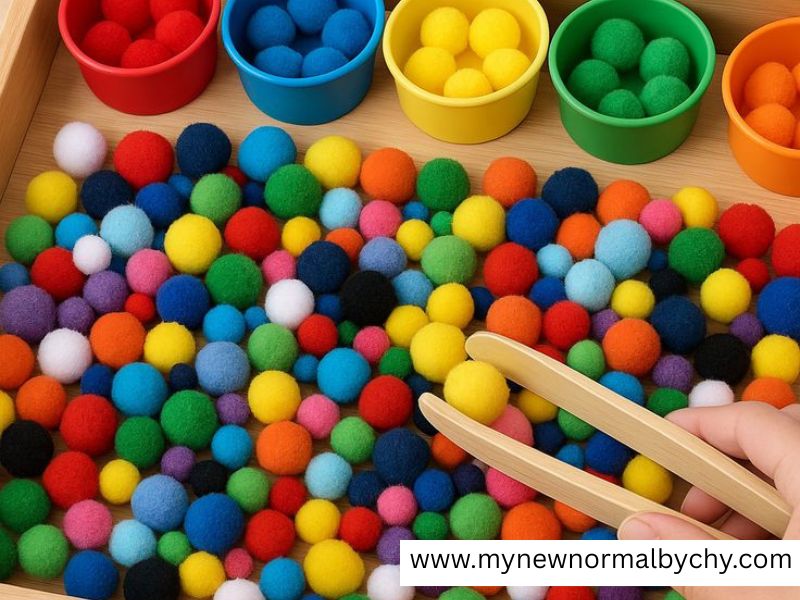
Pom-poms are colorful, soft, and highly engaging.
Toddlers can sort them by color, transfer them between containers, or use them in pretend play activities.
The soft texture provides pleasant tactile input while supporting early learning concepts.
20. Homemade Taste-Safe Slime Alternative
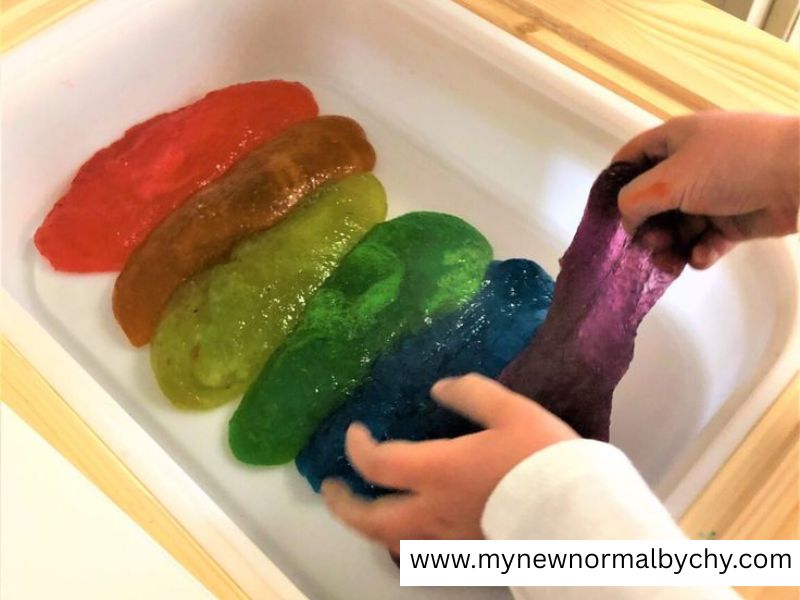
For younger toddlers, consider making a taste-safe sensory mixture using cornstarch and water.
The unusual texture changes between solid and liquid depending on how it is handled, making it fascinating to explore.
Many children enjoy experimenting with this unique sensory experience.
21. Water Bead Observation
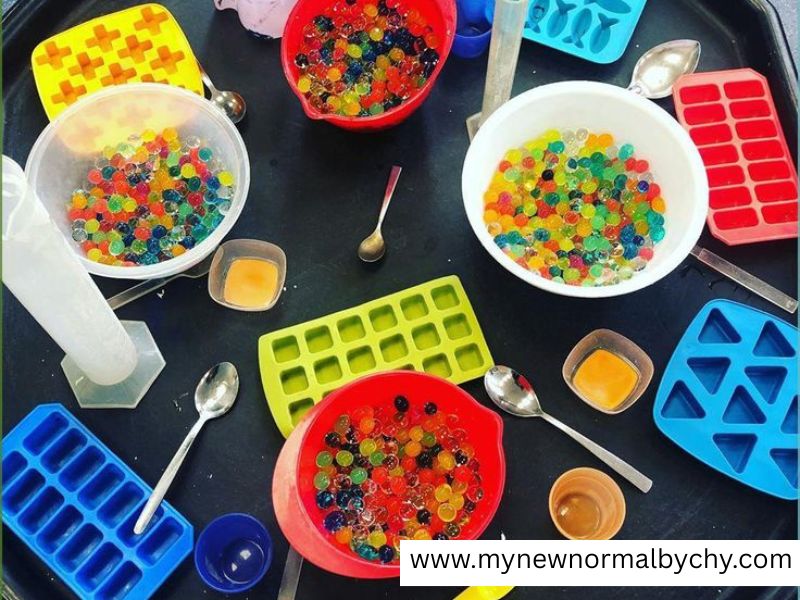
Water beads offer a squishy texture and vibrant colors that many children find interesting.
Because they can pose a choking risk, close supervision is essential.
When used safely, water beads provide a distinctive tactile experience and encourage sensory exploration.
22. Sensory Obstacle Course
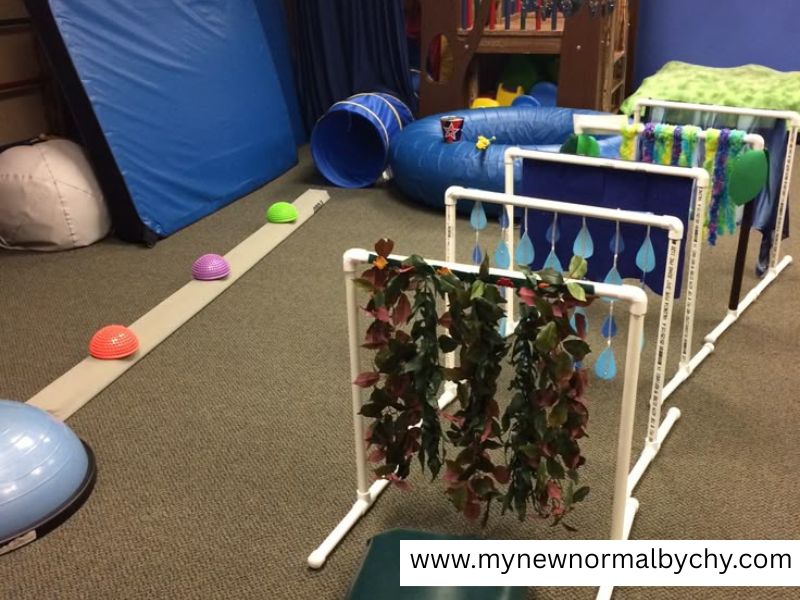
Create a simple obstacle course using pillows, tunnels, cushions, and textured mats.
Movement-based sensory activities are particularly beneficial for children who seek vestibular and proprioceptive input.
Obstacle courses also help build balance, coordination, and confidence.
25 Sensory Play Ideas for Toddlers With Autism
23. Scent Discovery Activity
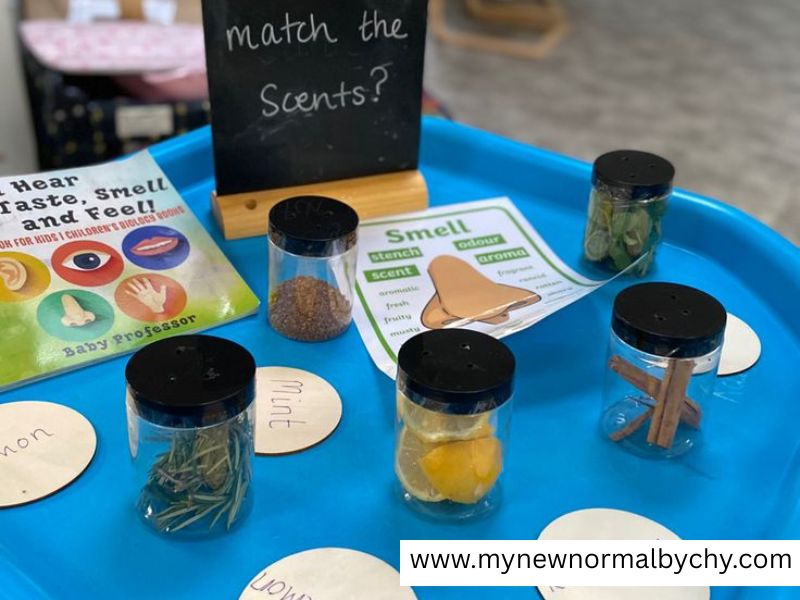
Gather safe scents such as vanilla, orange, lemon, or lavender.
Allow your child to smell each scent and observe their reactions.
This activity introduces olfactory sensory experiences while helping children learn about preferences and differences.
I recommend this:
25 Creative Sensory Activities for Toddlers and Preschoolers
24. Bean Sensory Bin
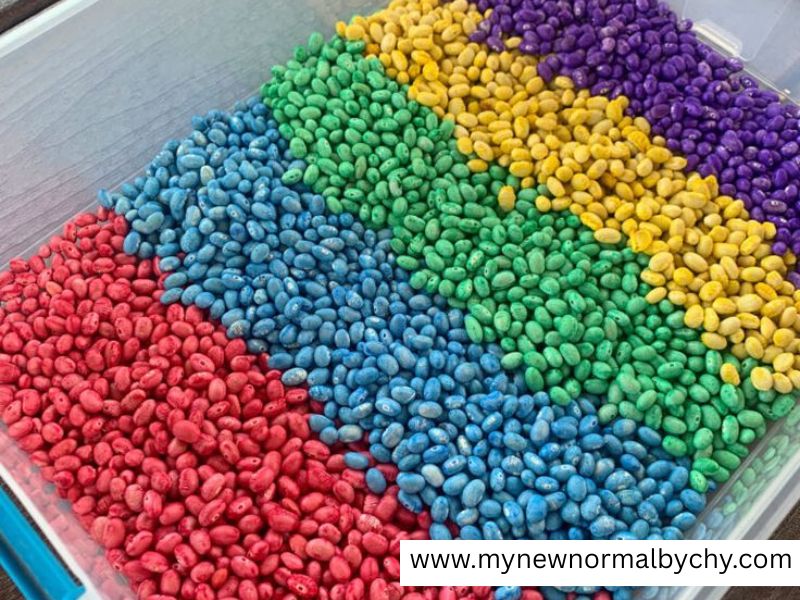
Dried beans provide a completely different texture than rice or oats.
Children can scoop, pour, sort, and search for hidden objects while strengthening fine motor skills.
Always supervise closely to ensure materials remain safe.
25. Calm-Down Sensory Corner
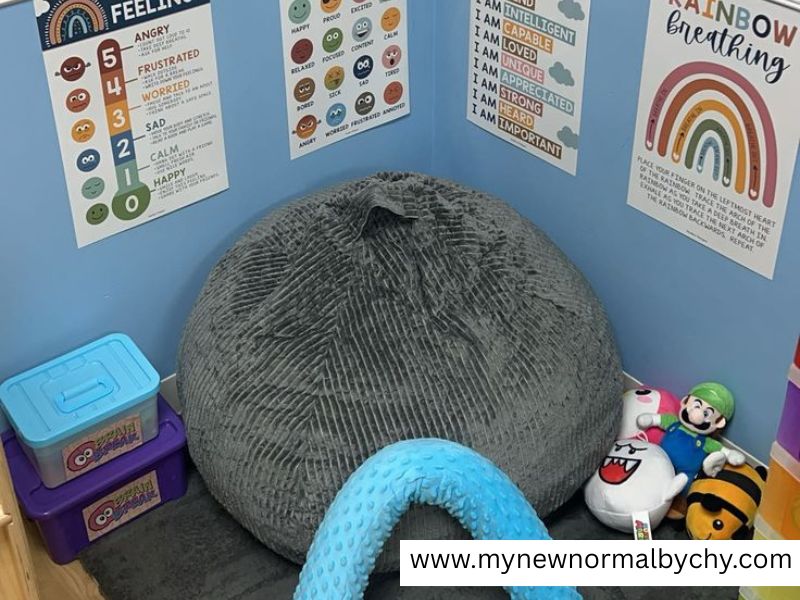
A sensory corner can become a valuable tool for emotional regulation.
Include soft pillows, sensory bottles, favorite toys, blankets, and calming activities.
Many parents find that having a designated sensory space helps their child manage overwhelming emotions and provides a safe place to relax when needed.
Frequently Asked Questions
1. What is sensory play for autism?
Sensory play involves activities that stimulate one or more senses, including touch, sight, sound, smell, taste, movement, and body awareness. For autistic children, sensory play can support learning, development, and emotional regulation.
2. How often should autistic toddlers engage in sensory play?
Many experts recommend incorporating sensory activities into daily routines. Sessions can be as short as 10 to 20 minutes, depending on your child’s interest and attention span.
3. Can sensory play help reduce meltdowns?
While sensory play cannot eliminate meltdowns entirely, it may help children regulate emotions and manage stress more effectively by providing appropriate sensory input.
4. What if my child refuses sensory activities?
Never force participation. Start with activities related to your child’s interests and allow them to explore at their own pace.
5. Are expensive sensory toys necessary?
No. Many effective sensory activities use affordable household items such as rice, water, oats, cotton balls, and containers.
6. Which sensory activities are best for nonverbal autistic toddlers?
Water play, sensory bins, obstacle courses, sensory bottles, music activities, and play dough are often excellent options because they encourage engagement without relying heavily on spoken language.
25 Sensory Play Ideas for Toddlers With Autism
My Final Thoughts
Finding activities that genuinely engage a toddler with autism can sometimes feel overwhelming. You may try one activity that doesn’t work and wonder if you’re doing something wrong. The truth is that sensory preferences vary greatly from child to child.
The goal of sensory play isn’t perfection. It’s about discovering what makes your child feel calm, curious, engaged, and happy.
Whether your toddler loves water play, enjoys the feeling of kinetic sand, or spends hours fascinated by sensory bottles, each activity offers valuable opportunities for learning and development.
Start with one or two ideas, observe your child’s reactions, and build from there. Over time, you’ll create a sensory toolkit that supports your child’s growth while making playtime more enjoyable for both of you.
Leave a Reply