The Best Sensory Play Ideas for Rainy Days (15 Simple Activities to Try
It is raining.
The kids have been inside for two hours. The television has been on long enough. Someone has already cried. Someone else has already asked “what can I do?” approximately eleven times.
And you are standing in the kitchen wondering how to get through the rest of the day without losing your mind.
“This is the post you needed to find right now.”
Rainy days do not have to be survival mode. They can genuinely be some of the best days, the ones your children remember, the ones that produce the best photographs, the ones where something unexpected and wonderful happens between a parent and a child at a kitchen table.
The secret is sensory play.
Sensory play, activities that engage your child’s senses through touch, sight, sound, smell, and movement, is one of the most powerful tools in a parent’s toolkit. It is deeply engaging. It develops fine motor skills, creativity, language, and focus. And it holds a child’s attention in a way that passive entertainment simply cannot.
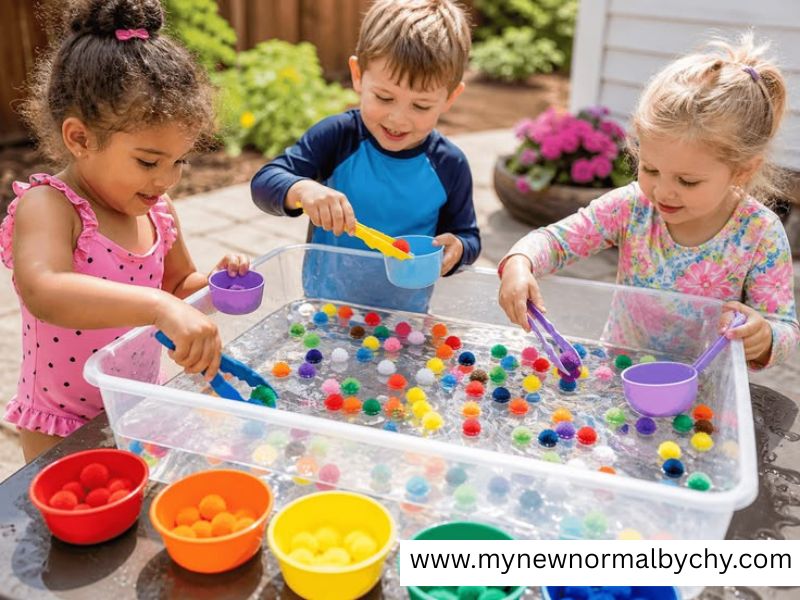
The best part? Most sensory play activities use materials you already have at home. Flour. Rice. Water. Food coloring. Dried pasta. Things sitting in your kitchen right now.
This post has fifteen of the best sensory play ideas for rainy days, organized by age, by mess level, and by what you actually have available. Every single one is genuinely simple to set up. All of them will keep your child engaged. And several of them will turn into the activity they ask to do again every rainy day for the next six months.
Before You Start- A Few Things Worth Knowing
1. Sensory Play Is Supposed to Be Messy
This is the mindset shift that makes sensory play enjoyable rather than stressful.
The mess is not a side effect of sensory play. It is the point. The squishing and the pouring and the scattering and the mixing, that physical, tactile engagement with materials is exactly what a child’s developing brain needs.
“Protect your surfaces before you start and then let go of the outcome. “
A plastic tablecloth or a shower curtain liner spread on the floor creates a contained play area that is easy to clean up afterward. An old bedsheet works too. The goal is not a clean activity, it is a contained one.
2. Follow the Child’s Lead
Some children will engage with a sensory activity exactly the way you envisioned. Most will not.
They will use the kinetic sand as a pillow or pour the coloured rice on their head. Others might ignore the activity you set up entirely and spend twenty minutes examining the container it came in.
This is fine. The child is exploring at the level their curiosity is operating at the moment. Follow that lead rather than redirecting back to your original plan.
“The activity is a starting point. Where they take it is the real play. “
3. Adjust for Your Child’s Age and Sensory Preferences
Not every child loves every type of sensory play. Some children are highly sensory-seeking, they want to put their hands in everything, feel every texture, and immerse completely. Others are sensory-sensitive, they prefer to explore with tools rather than directly with their hands, or they need to observe before they engage.
Both are completely normal. Adjust each activity based on what you know about your specific child. Provide spoons, cups, and tools for children who prefer not to use their hands directly. Start with a smaller amount of material for children who get overwhelmed easily. And never force engagement, an interested observer is still benefiting from sensory play.
The 15 Best Sensory Play Ideas for Rainy Days
1. Cloud Dough
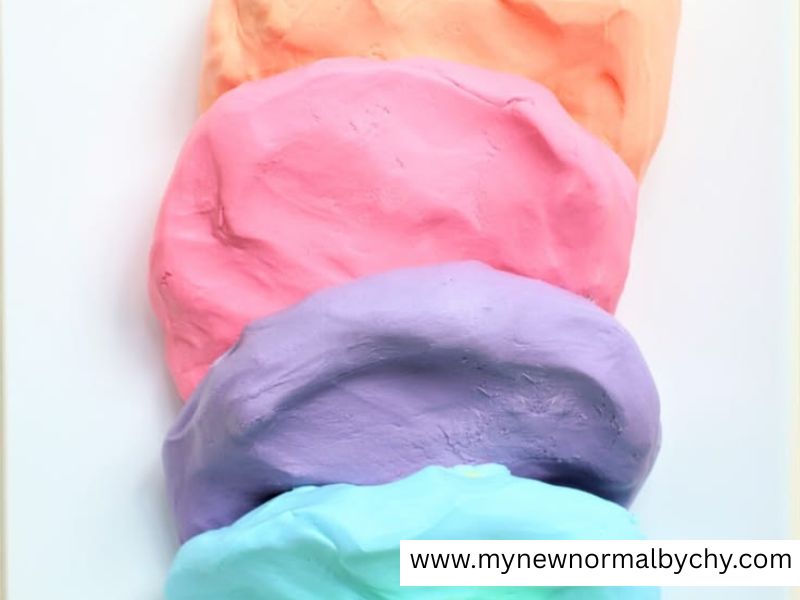
Two ingredients. Ten minutes of setup. Hours of play.
Cloud dough is one of the most magical sensory materials you can make at home, soft, moldable, and crumbly all at once. It holds its shape when squeezed and falls apart beautifully when released. Children find it genuinely irresistible.
What you need:
Eight cups of plain flour and one cup of baby oil or vegetable oil. That is it.
How to make it:
Mix the flour and oil together with your hands until the mixture resembles damp sand. It should hold its shape when squeezed but crumble when you release the pressure. Add more oil if it is too dry. Add more flour if it is too sticky.
How children play with it:
Molding and pressing into shapes. Filling and emptying containers. Using toy vehicles to drive through it. Adding small toy animals or figures buried inside for digging out. Using cookie cutters to stamp shapes.
Add scent for extra sensory engagement:
A few drops of lavender essential oil, peppermint extract, or vanilla creates an aromatic experience that doubles the sensory stimulation.
Age range:
18 months and up. Supervision required for children who still put things in their mouths, flour is safe but the quantity involved is not ideal for intentional eating.
“Cloud dough is the activity that children ask to do again the very next day. Make extra and store in an airtight container. “
2. Rainbow Rice Sensory Bin
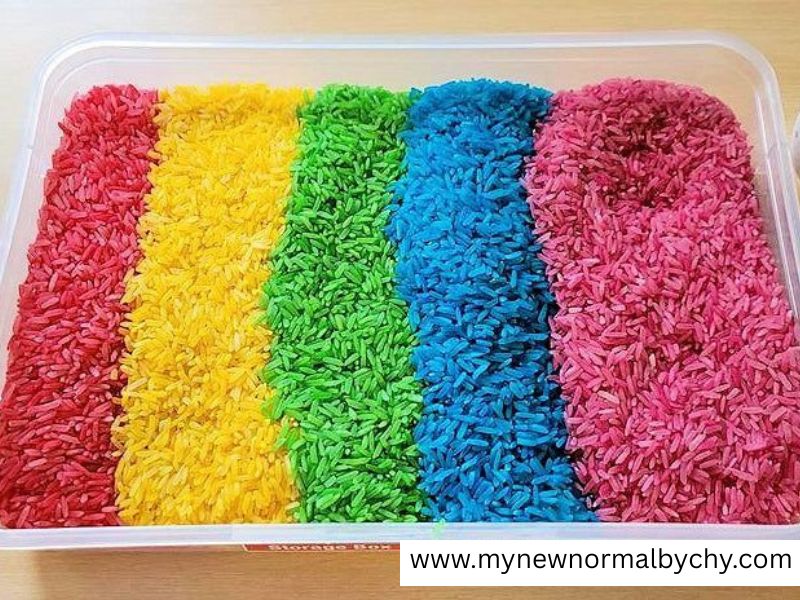
A sensory bin filled with brightly coloured rice is one of the most versatile and most long-lasting sensory play setups available, and it takes about fifteen minutes to make and can be used dozens of times.
What you need:
Two to three cups of uncooked white rice, white vinegar, food colouring in your chosen colours, and zip-lock bags.
How to make it:
Put one cup of rice into a zip-lock bag. Add two tablespoons of white vinegar and ten to fifteen drops of food colouring. Seal the bag and shake and massage until the colour is even. Spread on a baking sheet to dry for at least one hour. Repeat with different colours. Once dry, combine in a large container or tray.
How children play with it:
Pouring and scooping between containers. Hiding small objects inside for a sensory treasure hunt. Sorting by colour. Running fingers through it. Filling and emptying measuring cups and spoons.
Extend the play:
Add small toy animals, letters, numbers, or themed items to the bin, a dinosaur themed bin, an ocean themed bin, a farm themed bin. Changing the theme makes the same coloured rice feel like a completely new activity.
Age range:
2 years and up. The rice is a choking hazard for children still mouthing objects.
3. Kinetic Sand Play
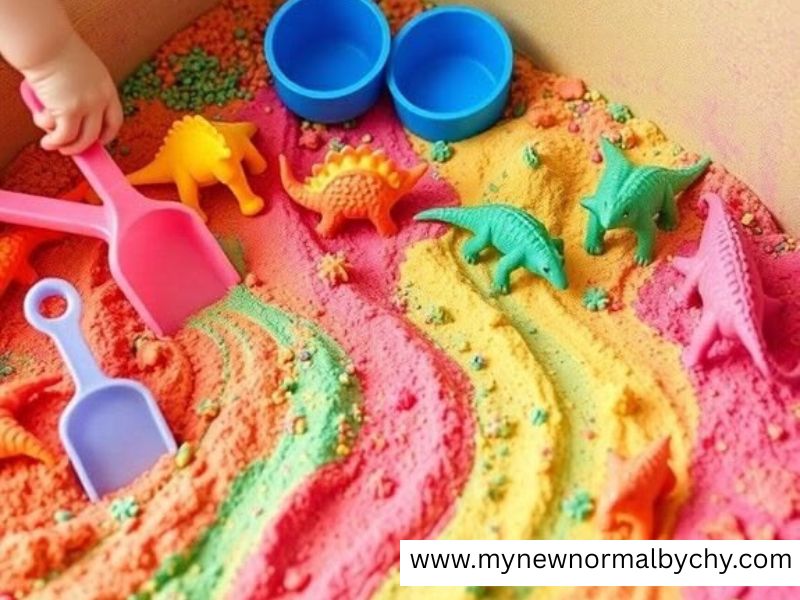
Kinetic sand is the sensory material that parents who have tried it describe in almost reverent terms. It flows like liquid, holds like clay, and produces a deeply satisfying tactile experience that is unlike anything else.
And you can make it at home.
What you need:
Four cups of clean play sand (available at hardware stores or garden centres), two tablespoons of cornstarch, and one tablespoon of dish soap mixed with one tablespoon of water.
How to make it:
Combine the sand and cornstarch. Add the dish soap mixture gradually, mixing until the sand clumps slightly and holds its shape when squeezed but flows when released. This may take a little experimenting, add more water mixture if too dry, more sand if too wet.
How children play with it:
Molding and shaping. Cutting with plastic knives. Stamping with objects. Building structures. The satisfying feeling of cutting through kinetic sand with a flat tool is genuinely extraordinary and children return to it repeatedly.
Age range:
3 years and up for homemade versions.
4 Water Bead Exploration
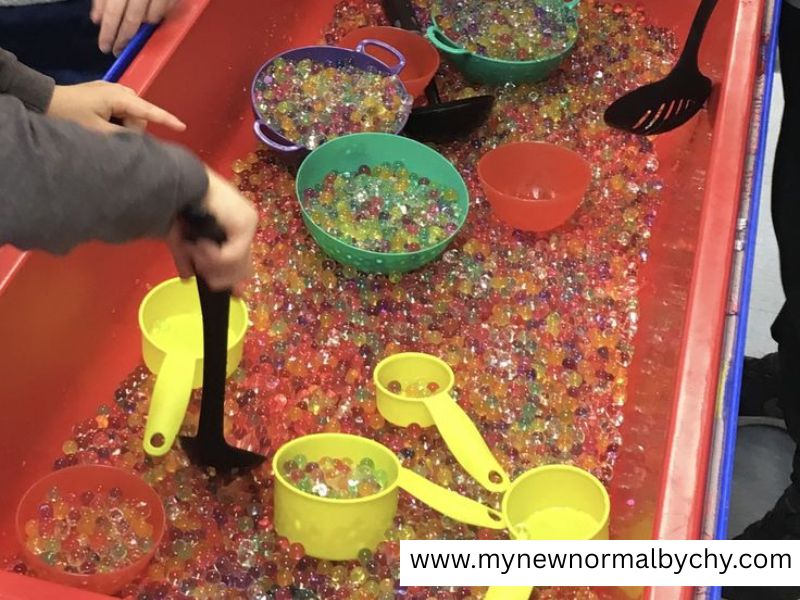
Water beads, tiny, super-absorbent polymer balls that expand dramatically when soaked in water, create one of the most visually beautiful and most tactilely satisfying sensory experiences available.
What you need:
A packet of water beads (available very inexpensively online or at craft stores) and a large bowl of water to soak them in overnight.
How to set it up:
Soak the beads overnight in a large bowl of water. They will expand from tiny pellet size to large, smooth, gel-like spheres. Transfer to a shallow tray or bin.
How children play with them:
The feeling of running hands through a bin of water beads is extraordinarily sensory-satisfying, cool, smooth, and slightly resistant. Children scoop, pour, and simply sit with their hands submerged. Add a few drops of food colouring to the soaking water for coloured beads.
Important safety note:
Water beads are a serious choking and ingestion hazard. This activity is strictly for children who do not put things in their mouths, typically four years and older, and requires direct adult supervision throughout.
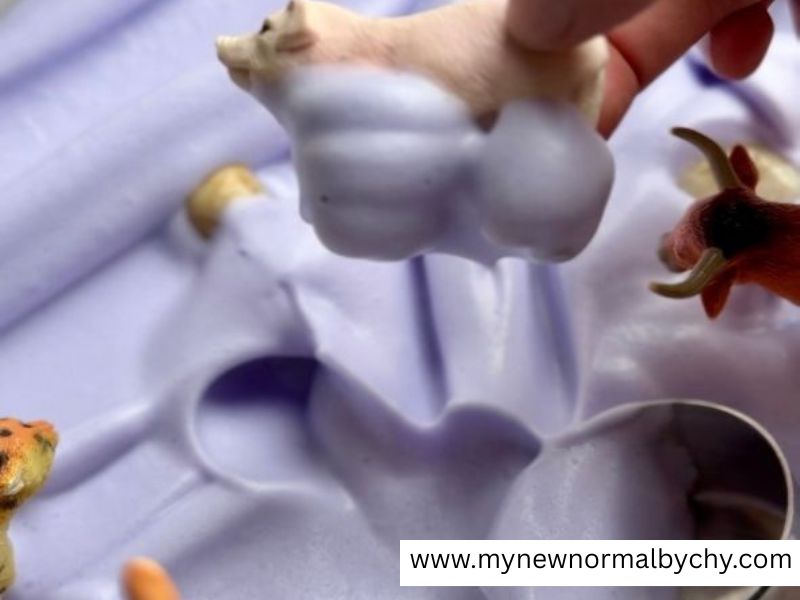
5 Foam Play
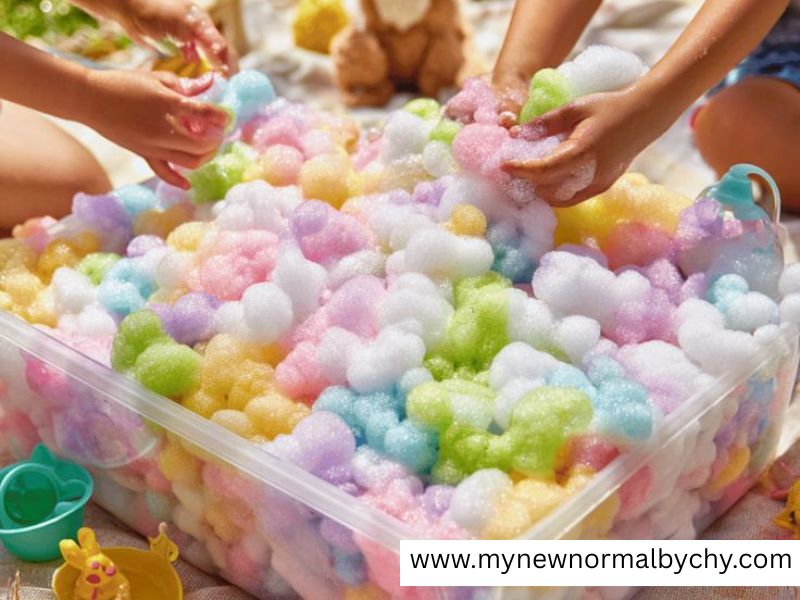
Shaving foam, spread generously across a tray, a table surface covered in cling wrap, or directly into a shallow container, is one of the most enduringly popular sensory play materials for good reason.
It is cheap. It is safe. Children absolutely love it.
What you need:
A can of cheap shaving foam (unscented if your child has sensory sensitivities to smell) and a flat surface or tray.
How to set it up:
Squirt a generous amount of foam onto your surface. That is genuinely all the setup required.
How children play with it:
Drawing patterns with fingers. Mixing in food colouring and watching it swirl. Making handprints. Hiding small plastic toys inside for discovery. For older children, practicing letters, numbers, or simple shapes by writing in the foam.
Add colour:
Drop two or three different food colouring drops onto the foam without mixing. Let the child mix the colours themselves. Watching different colours swirl together and blend is a deeply satisfying experience that many children will repeat over and over.
Age range:
18 months and up with supervision. Foam is non-toxic but discourage eating it.
“Shaving foam sensory play is the activity that costs under two dollars and produces twenty minutes of completely absorbed play. It is one of the best-value sensory activities that exists. “
6. Mud Kitchen Play (Indoors)
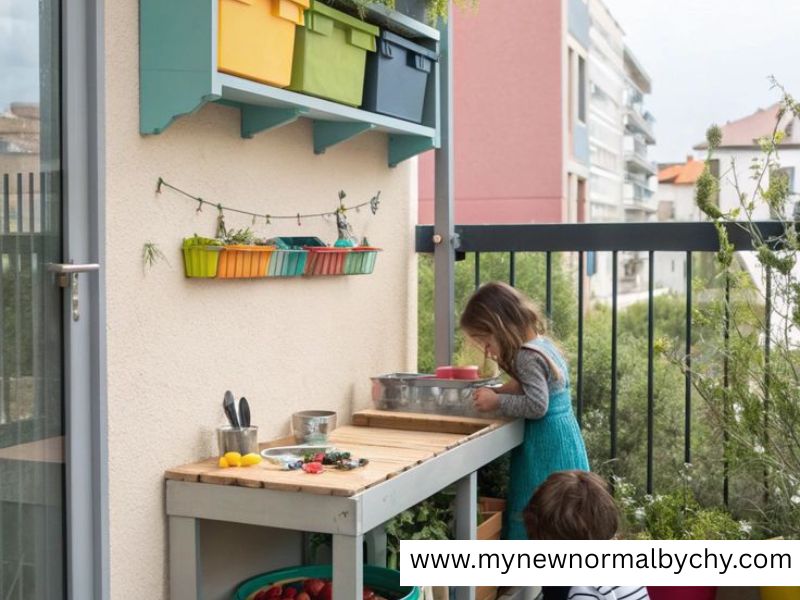
You do not need to be outdoors, or actually have mud, to bring mud kitchen play inside.
An indoor mud kitchen setup creates the same imaginative, sensory-rich experience as outdoor versions with a little more containment and a lot less actual mud.
What you need:
A large plastic storage bin or a baby bathtub. Soil from the garden or a bag of potting compost. Small pots, pans, spoons, and bowls from the kitchen. Water in a small jug.
How to set it up:
Fill the bin with soil or compost. Add a small amount of water to create a workable texture, damp enough to mold but not so wet it becomes unmanageable. Provide the kitchen tools around the bin.
How children play with it:
Making pretend food, mud pies, soup, cakes. Mixing and stirring. Pouring water into the soil and observing the texture change. Adding natural loose parts, small stones, leaves, sticks, seeds, for more complex imaginative play.
Age range:
2 years and up. This is a full-clothes-change activity. Plan accordingly.
7. Oobleck
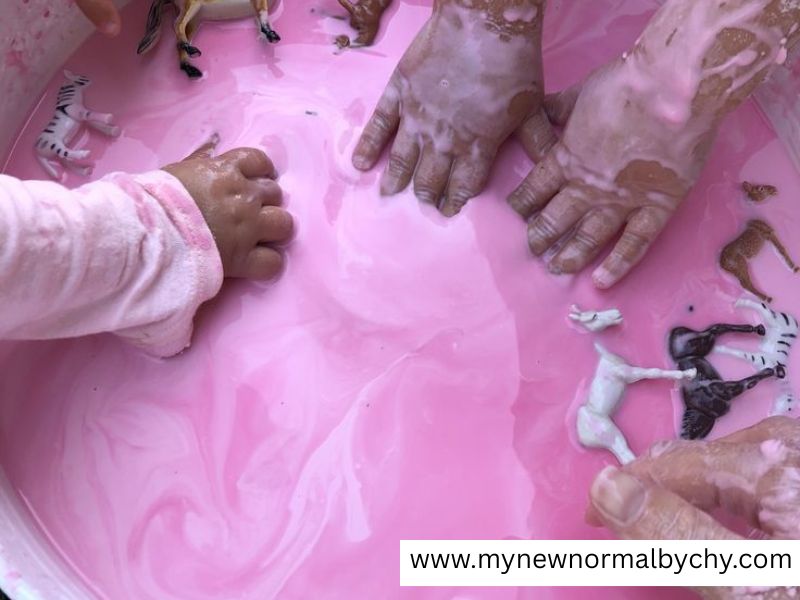
Oobleck is the sensory material that makes children and adults alike genuinely question the laws of physics, and it is made from two kitchen ingredients.
It is a non-Newtonian fluid, it behaves like a solid when pressure is applied and like a liquid when it is released. Punch it and it is hard. Hold it gently and it flows through your fingers. There is nothing else quite like it.
What you need:
Two cups of cornstarch and one cup of water. Food colouring is optional but makes it significantly more visually engaging.
How to make it:
Stir the cornstarch and water together slowly, do not mix too aggressively or it will resist you. Add food colouring if using. The mixture should be thick enough to roll into a ball in your hands but immediately liquify when you stop applying pressure.
How children play with it:
The play largely takes care of itself once children encounter the material. The experience of something behaving unexpectedly, solid one moment, liquid the next ,produces a kind of wonder that is genuinely beautiful to watch. Let them lead.
Age range:
3 years and up. Cornstarch is non-toxic but the texture of eating it is immediately off-putting so most children do not attempt it.
“Oobleck is the activity that makes a rainy day feel like a science class. Children remember it for years. “
8. Dried Pasta Sensory Bin
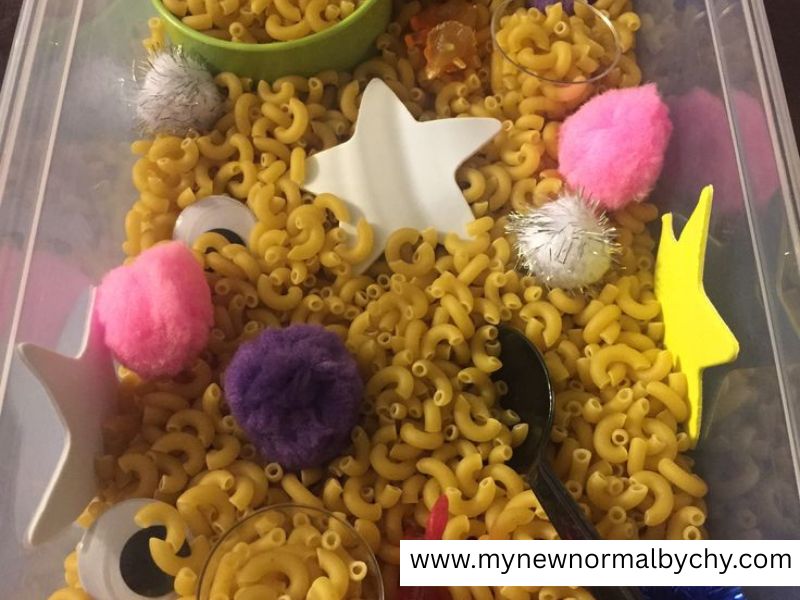
A sensory bin filled with dried pasta is one of the most accessible, most affordable, and most surprisingly engaging activities on this list, and it is genuinely ready to set up in two minutes.
What you need:
A large box or two of dried pasta, different shapes work better than all one shape. A large container or baking dish. Scoops, spoons, small bowls and cups.
How to set it up:
Pour the pasta into the container. Add the tools. Done.
How children play with it:
The sound of pasta moving is almost as satisfying as the texture , a dry, rattling cascade that children find deeply calming. Scooping, pouring, sorting by shape, hiding objects, and simply running hands through the pasta are all common play patterns.
Extend the play:
Dye the pasta in different colours using the same vinegar and food colouring method as the coloured rice. Or add a theme, small plastic animals for a farm bin, plastic sea creatures for an ocean bin.
Age range:
2 years and up. Pasta is a choking hazard for younger children.
9. Ice Sensory Play
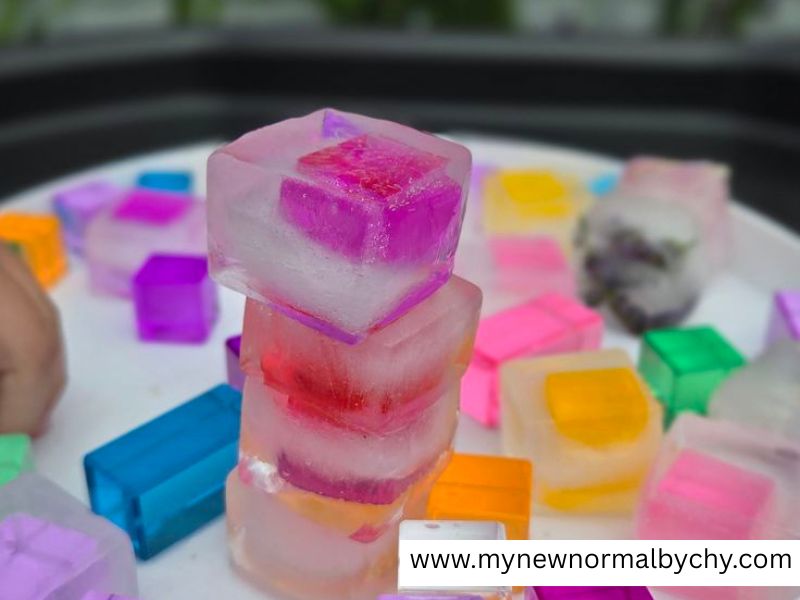
Ice is one of the most multi-sensory materials available, it is cold, it changes texture as it melts, it changes state entirely given enough time, and children find the transformation genuinely fascinating.
What you need:
Ice, either regular ice cubes or ice frozen in more interesting forms (freeze small plastic toys or objects inside ice blocks for extra engagement). A tray or baking dish to contain the melt water. Food colouring optional.
How to set it up:
Place the ice in the tray. For extra engagement, freeze small plastic animals or coloured water inside ice blocks and let children work to free them by dripping warm water, using tools, or simply using the warmth of their hands.
How children play with it:
Holding the ice and feeling it melt. Watching the colour bleed if using coloured ice. Using pipettes or syringes filled with warm water to melt the ice faster. The freezing and melting process is a genuinely beautiful early science experience.
Add warm water in a small jug
to allow children to pour over the ice and accelerate the melting, the temperature contrast between the warm water and the cold ice is itself a sensory experience.
Age range:
18 months and up with supervision. Avoid large ice pieces that could be a hazard.
10. Homemade Play Dough Exploration
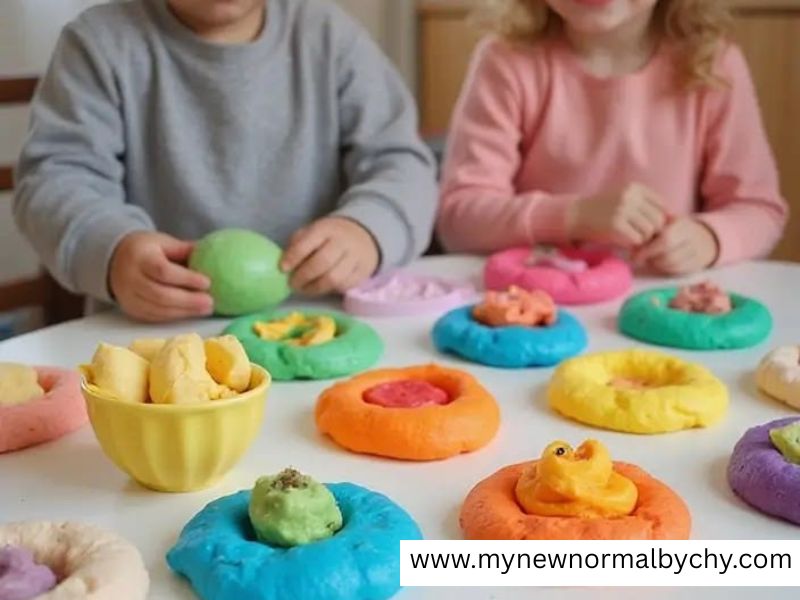
Homemade playdough ,warmer, softer, and more pliable than store-bought , is a sensory play classic for very good reasons.
It is endlessly creative, develops fine motor strength and engages multiple senses simultaneously, the smell, texture, visual experience of colour. And the act of making it is itself a sensory activity.
What you need:
Two cups of flour, half a cup of salt, two tablespoons of cream of tartar, two tablespoons of vegetable oil, one and a half cups of boiling water, and food colouring.
How to make it:
Combine the dry ingredients. Add the oil and boiling water (adult only for this step). Mix with a spoon until it comes together, then knead until smooth. Divide and add different food colouring to each portion. The playdough will be warm and irresistibly soft when freshly made.
How children play with it:
Squishing, rolling, cutting with plastic knives and cookie cutters, pressing in objects to make prints, building, sculpting. The possibilities are genuinely endless.
Add loose parts
for extended play , small stones, shells, dried flowers, plastic animals, toothpicks, googly eyes. Loose parts turn playdough from a simple sculpting activity into a full imaginative world.
Age range:
18 months and up. Store in an airtight container, homemade playdough keeps for up to two weeks.
11. Sensory Bottles
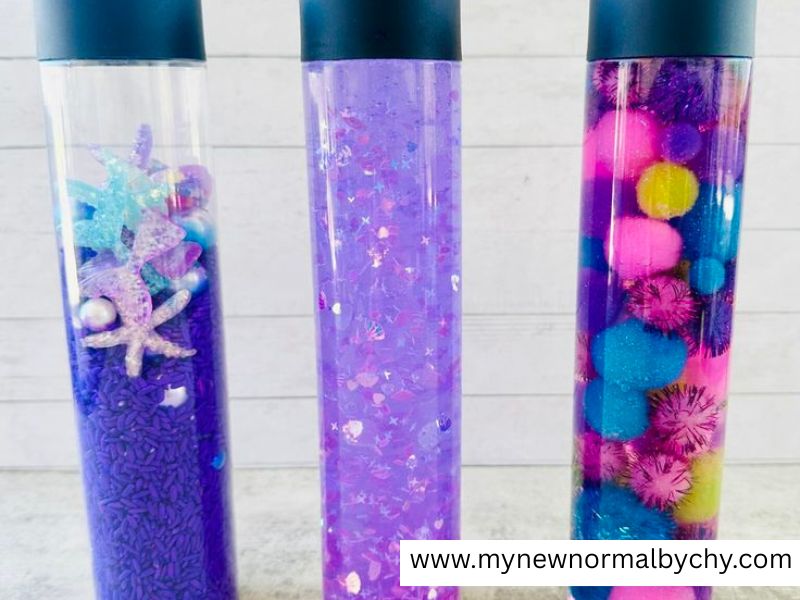
Sensory bottles, sealed plastic bottles filled with water, glitter, small objects, and oil, are both a making activity and a play activity. The process of creating them is engaging. The finished bottles are calming, and mesmerizing
What you need:
Clean, empty plastic bottles with secure lids. Warm water. Clear glue or hair gel. Glitter in multiple colours. Small objects, sequins, beads, small plastic figures. Strong glue to seal the lid permanently.
How to make them:
Fill the bottle three quarters full with warm water and a generous squeeze of clear glue or hair gel. Add glitter and any small objects. Fill to the top with more water. Seal the lid with strong glue and allow to set completely before giving to children.
How children play with them:
Turning and shaking the bottle and watching the glitter swirl, settle, and swirl again. The slow, mesmerizing movement of glitter through the liquid is genuinely calming, particularly for children who are overwhelmed or overstimulated. Sensory bottles are often used as calm-down tools as much as play objects.
Age range:
All ages, younger children with supervision to ensure the lid seal holds.
12. Taste Safe Sensory Play for Babies and Toddlers
For the youngest children, babies and young toddlers who are still exploring the world primarily through their mouths, taste safe sensory play is the most accessible and most developmentally appropriate approach.
What you need:
Cooked spaghetti. Cooked oats. Yoghurt. Jelly or gelatin set in a shallow dish. Mashed fruit. Whipped cream. All foods that are safe to eat and safe to explore with hands and mouth.
Cooked spaghetti bin:
Cook a large batch of spaghetti, rinse and cool, and toss with a little olive oil to prevent sticking. Place in a large shallow container. Let your baby or toddler explore the texture freely , the long, slippery, tangled texture is fascinating to small hands.
Jelly dig:
Set a large pan of jelly with small plastic toys frozen inside. Let your baby or toddler work through the jelly to find the toys. The cold, wobbly, slightly resistant texture is deeply engaging.
Yoghurt painting:
Thick yoghurt spread on a tray or directly on a high chair tray makes an excellent paint substitute. Add drops of food colouring for visual interest. Completely taste safe.
“Taste safe play removes the anxiety from sensory play with the youngest children. Let them explore completely freely. “
13. Nature Sensory Walk
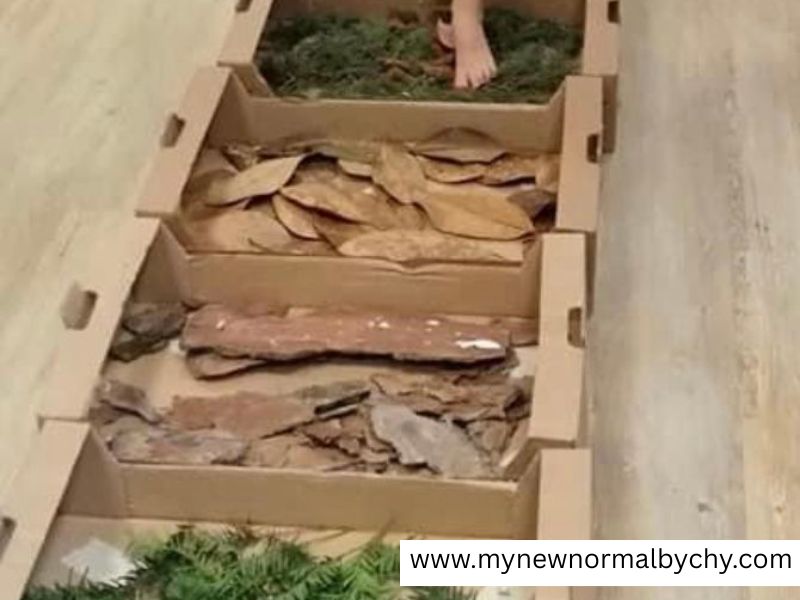
Even on a rainy day, nature provides some of the most beautiful sensory materials available, and collecting them can itself become part of the activity.
What you need:
A shallow tray or wooden board. A collection of natural loose parts, pinecones, stones, shells, dried flowers, feathers, leaves, bark, seed pods, sticks, moss.
How to set it up:
Arrange the natural materials on the tray and let your child explore freely. Provide magnifying glasses for closer examination. Add a small amount of water to some materials to see how they change when wet.
How children play with it:
Sorting and arranging by size, colour, or type. Examining with magnifying glasses. Incorporating into other play, building with sticks, arranging stones into patterns. Creating small worlds and natural scenes.
Extend the play:
Provide a blank piece of paper and glue and let children create a nature collage with the materials. Or use the natural items as stamps with paint.
Age range:
3 years and up. Many natural loose parts are choking hazards for younger children.
14. Sensory Dough With Essential Oils
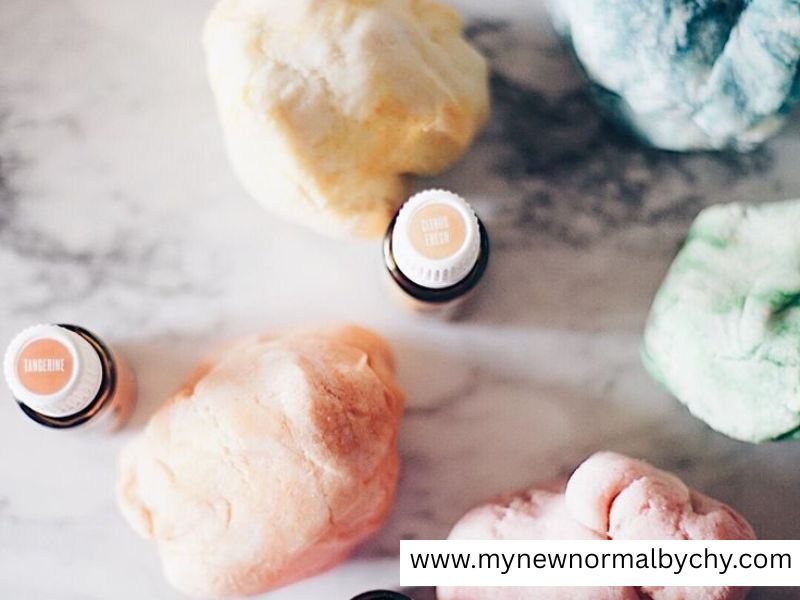
A simple two-ingredient dough, made from conditioner and cornstarch, scented with essential oils for a deeply multi-sensory experience that combines touch, smell, and creative play.
What you need:
One cup of hair conditioner (any cheap variety) and two cups of cornstarch. A few drops of your chosen essential oil, lavender, peppermint, orange, or rose. Food colouring optional.
How to make it:
Mix the conditioner and cornstarch together until a smooth, pliable dough forms. Add essential oil and food colouring and knead until evenly incorporated. The resulting dough is silky, smooth, and wonderfully scented.
How children play with it:
The scent element adds a dimension that regular playdough does not have, children often spend as much time smelling the dough as playing with it. Molding, rolling, and sculpting are the primary play patterns.
Age range:
2 years and up. Supervise to discourage eating, conditioner is not safe for consumption.
15. Rainbow Spaghetti Sensory Bin
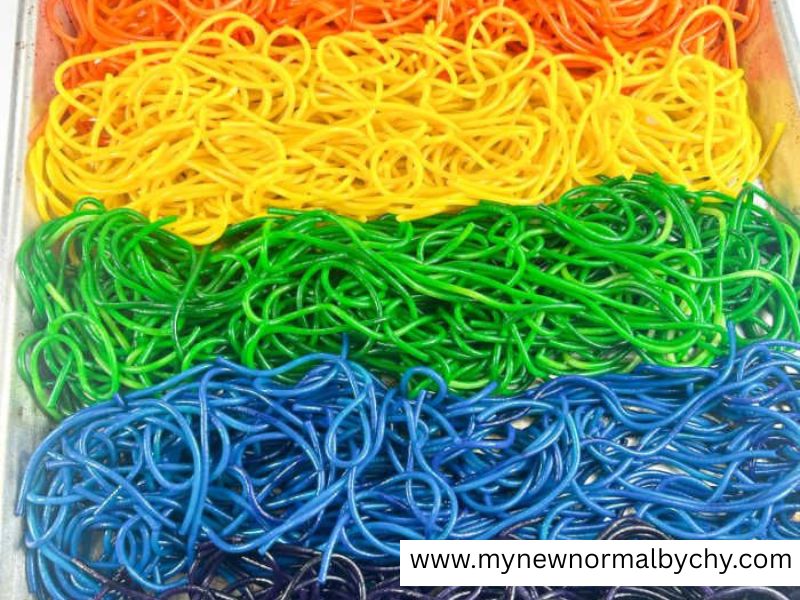
The most visually spectacular sensory activity on this list, and one that children remember for a remarkably long time.
Cooked spaghetti, dyed in multiple bright colours, piled into a large bin and explored freely.
What you need:
A large pack of spaghetti. Food colouring in multiple colours. Boiling water. A large bin or container. Scoops, tongs, and small cups.
How to make it:
Cook the spaghetti in batches. While each batch is still warm, toss with a few drops of food colouring and a small amount of oil until evenly coloured. Prepare each colour separately and combine in the bin once all batches are coloured and cooled.
How children play with it:
The visual impact of rainbow spaghetti alone creates immediate excitement. The texture, long, slippery, tangled, slightly resistant, is unlike anything else in sensory play. Children run hands through it, pick up handfuls and let it fall, try to separate colours, fill containers and pour.
Age range:
18 months and up. Completely taste safe.
“Rainbow spaghetti is the activity that photographs magnificently, keeps children engaged for a surprisingly long time, and produces genuine wonder every single time. “
Tips for Making Sensory Play Work on Rainy Days
1. Set Up Before You Call the Kids
The activity setup should be complete before children see it. A fully prepared sensory bin sitting on a table creates immediate excitement and engagement. A parent still assembling materials while a toddler waits creates impatience and lost momentum.
“Five minutes of preparation before the reveal makes the entire activity more successful. “
2. Contain the Mess Strategically
A shower curtain liner or a large plastic tablecloth spread on the floor costs very little and makes cleanup dramatically easier. Keep a damp cloth within reach. Have a designated place for shoes and clothes that will need to change afterward.
Containment is not about preventing mess, it is about making the mess manageable enough that you can relax during the play rather than anxiously supervising every grain of rice.
3. Rotate Activities Rather Than Doing All at Once
Introducing a new sensory activity too soon after another reduces the engagement with each one. Space activities out, one in the morning, one after lunch, one in the late afternoon. Each one feels special and receives full attention.
“Three activities across a full rainy day will keep children more engaged than six activities crammed into two hours. “
4. Play Alongside Your Child
Sensory play is more engaging and more developmentally rich when an adult participates, not directing the play, but exploring alongside. Commenting on what you notice. Asking open questions. Following the child’s lead.
“I wonder what happens if we add water to this.” “This feels really cold.” “What does it remind you of?”
These simple observations and questions extend play, build language, and deepen the connection between parent and child. Rainy days become less about getting through the hours and more about genuinely sharing them.
Frequently Asked Questions About Sensory Play
1. What age is sensory play good for?
Sensory play is beneficial from birth, babies benefit from exposure to different textures, temperatures, and materials from the earliest weeks. The type and complexity of sensory play evolves as children develop. Babies benefit from simple texture exploration. Toddlers begin to engage with bins and loose parts. Preschoolers can participate in more complex set-ups with themes and tools. School-age children enjoy sensory play with more creative and scientific elements, oobleck, sensory bottles, and nature trays remain engaging well into middle childhood.
2. Is sensory play just for kids with sensory processing differences?
No. Sensory play is beneficial for all children regardless of any diagnosis or developmental profile. It supports the development of fine motor skills, language, creativity, focus, emotional regulation, and problem-solving in every child. Children with sensory processing differences may particularly benefit, but the benefits are universal.
3. How do I make sensory play less stressful as a parent?
“The two things that make sensory play stressful are mess anxiety and expectation mismatch. ” Address both before you start.
For mess anxiety , contain the play area with a tablecloth or shower curtain liner, dress the child in clothes you do not mind getting messy, and remind yourself that the mess is evidence of genuine engagement.
For expectation mismatch, let go of how you imagine the activity should look. Your child’s version of the activity is valid regardless of whether it matches the Pinterest image that inspired you.
4. How long should a sensory play session last?
Follow the child’s lead completely. Some children will engage deeply for forty-five minutes. Others will spend ten minutes and be done. Both are completely fine. Do not try to extend an activity past the child’s natural interest point, and do not feel like you need to cut it short because you expected it to last a shorter time.
The right length for a sensory play session is however long the child is genuinely engaged.
5. Can I store sensory play materials for next time?
Most materials on this list can be stored and reused.
Cloud dough and playdough both keep well in airtight containers for one to two weeks. Coloured rice and dried pasta last indefinitely in sealed bags. Kinetic sand stores well in a sealed container. Water beads can be dried out and rehydrated for reuse.
Oobleck and foam are the exceptions, these are best used fresh and discarded afterward.
My finial word
Rainy days have a bad reputation they do not entirely deserve.
The best ones, the ones that actually end up being special , are the ones where something unexpected happens, a child discovers that cornstarch and water behave like magic or that rainbow spaghetti produces genuine, open mouthed wonder. It is also the point when a parent sits down at a table covered in shaving foam and realizes they are having just as much fun as their child.
Those moments do not happen in spite of the rain. They happen because the rain kept everyone inside long enough for something wonderful to occur.
These fifteen activities are your rainy day toolkit. You do not need all of them. Neither do you need to do them perfectly. All you need is the willingness to get slightly messy and the patience to follow your child into whatever the play becomes.
The rest takes care of itself.
Leave a Reply