The Ultimate Baby and Toddler Care Guide for First-Time Parents: Everything You Need to Know From Birth to Age 3
Becoming a parent for the first time is exciting, but it can also feel overwhelming. It’s completely normal to worry about whether you’re prepared for the challenges ahead. I know that feeling because I’ve experienced it myself, and so have countless other mothers who are now confidently navigating the beautiful journey of parenthood. The reality is that no one starts motherhood knowing everything.
We learn one day, one milestone, and one diaper change at a time. This guide was created to help you feel informed, prepared, and confident as you care for your baby and toddler.
This comprehensive baby and toddler care guide will walk you through everything you need to know from the newborn stage through the toddler years. Whether you’re expecting your first baby or already holding your little one in your arms, this guide will help you navigate the early years with greater confidence.
The Ultimate Baby and Toddler Care Guide for First-Time Parents: Everything You Need to Know From Birth to Age 3

Understanding Your Baby’s Basic Needs
At its core, baby care revolves around a few essential needs:
- Nutrition
- Sleep
- Safety
- Comfort
- Love and connection
While every child is unique, all babies thrive when these needs are consistently met.
One of the most reassuring things new parents can learn is that babies don’t need expensive gadgets or complicated routines. They need responsive caregivers who provide safety, affection, and consistent care.
Essential Newborn Care Basics (0 – 3 Months)
The newborn stage is a huge adjustment, especially for first-time parents. Everything is new, you’re running on broken sleep, and this tiny human has opinions about everything and no words to express them.
Here’s what you need to know to get through those early weeks.
Feeding Your Newborn
Whether you choose breastfeeding, formula feeding, or a combination of both, the most important thing is that your baby is getting enough to eat. Don’t let anyone pressure you into one approach over another, fed is what matters most.
Newborns typically need to eat every two to three hours. Yes, even at night. Yes, it’s exhausting. In the early weeks, track feeding times so you know when your baby last ate and can anticipate the next feed. As your baby grows, feeds will become less frequent and more predictable.
Watch for hunger cues like rooting (turning the head side to side), sucking on hands, or fussiness. Crying is actually a late hunger cue, so try to catch those earlier signs. Always burp your baby after feeding to reduce gas and discomfort, and keep feeding supplies clean and within easy reach so you’re not scrambling at 3 a.m.
Signs your baby is feeding well include:
- Regular wet diapers
- Steady weight gain
- Contentment after feeding
- Healthy skin tone and alertness
Remember that feeding is not just about nutrition. It is also a bonding opportunity between parent and child.
Diapering and Hygiene
New babies go through a surprising number of diapers, expect anywhere from eight to twelve per day in the early weeks. Set up simple diaper changing stations in the rooms where you spend the most time, not just the nursery. Having everything, diapers, wipes, cream, a change of clothes, within arm’s reach saves so much time and frustration.
Check the diaper area at every change for redness or irritation, and apply a thin layer of barrier cream to prevent or treat diaper rash. Change your baby promptly when wet or soiled to keep their skin healthy.
Watch for:
- Diaper rash
- Skin irritation
- Changes in stool patterns
- Signs of dehydration
Using barrier creams when needed can help protect sensitive skin.
Bathing Your Baby
Babies do not require daily baths.
Two or three baths per week are often enough during infancy.
Keep bath time:
- Short
- Warm
- Gentle
- Supervised at all times
Nail Care
Baby nails grow surprisingly fast.
Use baby nail clippers or a soft file to prevent accidental scratches.
Safe Sleep Practices
Newborns sleep between 14 and 17 hours per day, though often in short stretches.
To reduce the risk of sleep-related accidents:
- Always place baby on their back to sleep
- Use a firm mattress
- Keep blankets, pillows, and stuffed toys out of the crib
- Share a room but not a bed when possible
- Maintain a comfortable room temperature
Soothing a Crying Baby
Babies cry because it’s their primary form of communication.
Common reasons include:
- Hunger
- Tiredness
- Discomfort
- Gas
- Overstimulation
- Desire for comfort
Try:
- Swaddling
- Rocking
- White noise
- Skin-to-skin contact
- Gentle movement
Infant Care (3-12 Months)
As your baby grows, you’ll notice dramatic changes in development.
Developmental Milestones
During the first year, many babies learn to:
- Smile socially
- Roll over
- Sit independently
- Crawl
- Pull to stand
- Say simple sounds
- Recognize familiar faces
Remember that milestones occur within a range. Every baby develops at their own pace.
The Ultimate Baby and Toddler Care Guide for First-Time Parents: Everything You Need to Know From Birth to Age 3
Feeding Tips for Babies and Toddlers

1. Introducing Solid Foods
Starting solid foods is one of the more exciting baby milestones, usually around six months of age. Begin with simple, single-ingredient foods like pureed sweet potato, banana, avocado, oatmeal, or yogurt.
Introduce one new food at a time and wait a few days before introducing another so you can spot any reactions.
Don’t rush this process. The first few months of solids are really about exploration and practice, not nutrition. Breast milk or formula remains the main source of nutrition until around twelve months.
Most babies are ready for solids around six months.
Signs of readiness include:
- Good head control
- Sitting with support
- Interest in food
- Ability to move food from a spoon into the mouth
Start with simple foods and introduce new options gradually.
Popular first foods include:
- Mashed avocado
- Sweet potatoes
- Bananas
- Oatmeal
- Soft vegetables
2. Encouraging Healthy Eating in Toddlers
If you have a toddler, you already know that feeding them can feel like negotiations with a tiny, unreasonable senator. Toddlers are notorious picky eaters, and this is completely developmentally normal. Their appetite also fluctuates significantly from day to day, which can be alarming if you’re not expecting it.
The most effective approach is to offer a variety of foods, keep mealtimes calm and positive, and avoid turning eating into a battle. You decide what food is offered and when. Your child decides whether and how much to eat. This division of responsibility takes a lot of pressure off both of you.
Serve age-appropriate portions, toddler stomachs are small. Eat alongside your child and let them see you enjoying a variety of foods. Repeated exposure matters more than you’d think; a food that gets rejected ten times may be accepted on the eleventh try.
You may also like:
Signs Your Toddler Is Ready for Potty Training
How to Prepare Toddlers for Their First Day of School
How To Reset A Toddler’s Sleep Schedule
Nursery Organization Tips That Save You Time

A messy, disorganized nursery doesn’t just look stressful, it creates stress. When you can’t find the right size onesie at midnight or you’ve run out of wipes with a dirty diaper already open, small problems become big frustrations.
Getting organized doesn’t have to mean spending a lot of money. Simple strategies make a big difference:
Organize baby clothes by size and put away anything your baby has outgrown. Rotating clothes seasonally keeps drawers manageable. Use labeled bins for diapers, wipes, creams, and other supplies so everything has a home. Closet dividers that separate clothing by age range save time when you’re shopping in a sleep-deprived haze.
The goal is to make the most common tasks, diapering, dressing, feeding, as frictionless as possible. A little organization upfront saves you dozens of minutes every single day.
Check out our:
30 Fun Screen-Free Summer Activities for Busy Toddlers
How to Prepare Your Toddler for a New Baby: Everything You Need to Know
Managing Sleep Challenges

Sleep deprivation is one of the hardest parts of early parenting, and it affects everything, your mood, your patience, your ability to think clearly, your relationship. Taking sleep seriously for your whole family is worth the effort.
Baby Sleep Tips
Create a simple, calming bedtime routine that signals to your baby that sleep is coming. This might be a warm bath, a feed, some quiet holding or rocking, and then being placed in the crib. Use consistent cues, the same sequence, the same dim lighting, the same gentle music if you use it , so your baby’s brain learns to associate these cues with sleep.
Keep nighttime interactions quiet, calm, and low stimulation. When you go in for nighttime feeds or comfort, resist the urge to play or engage too much. The goal is to get back to sleep as quickly as possible.
Toddler Sleep Tips
Toddlers resist bedtime. This is almost universal. As they become more aware of the world and more interested in everything happening around them, the idea of stopping and going to sleep feels deeply unfair to them.
Consistent bedtimes are your greatest tool. Aim for the same time every night, give or take thirty minutes.
A predictable bedtime routine , dinner, bath, a couple of books, lights out, helps toddlers transition more smoothly. Limit screen time in the hour before bed, as the stimulation makes it harder for their busy brains to wind down.
A toddler who gets enough sleep is a noticeably easier toddler during the day, which is motivation enough.
How To Reset A Toddler’s Sleep Schedule
Toddler Care (1-3 Years)
The toddler years are filled with curiosity, independence, and rapid learning.
Supporting Emotional Development
Toddlers experience big emotions but lack the skills to regulate them.
You can help by:
- Staying calm during meltdowns
- Naming emotions
- Offering comfort
- Setting consistent boundaries
- Modeling healthy emotional regulation
Managing Toddler Tantrums

Tantrums are not a sign that you’re failing as a parent. They are a completely normal part of toddler development, and happen because toddlers are experiencing big emotions in bodies that don’t yet have the wiring to manage them.
More so, toddlers want to communicate but don’t have the words, thus they feel overwhelmed and don’t have the skills to calm themselves down. That’s where you come in.
The most effective response is to stay as calm as you can, easier said than done, but it matters. When you escalate, your toddler escalates. When you stay steady and calm, it gives them something to anchor to.
Acknowledge what they’re feeling: “I can see you’re really upset.” This alone often takes some of the heat out of a meltdown because your child feels heard. Offer simple choices where possible to restore their sense of control.
Maintain consistent boundaries even when it’s hard. Over time, consistent, calm responses genuinely reduce the frequency and intensity of tantrums.
Developmental Activities for Babies

You don’t need fancy educational toys or structured classes to support your baby’s development. Everyday interactions are the most powerful learning experiences available to them.
Tummy time is one of the most important things you can do in the early months. It strengthens the neck, shoulder, and arm muscles that babies need to roll over, sit up, and eventually crawl.
Aim for a few short sessions each day while your baby is awake and supervised.
Reading together is never too early to start, even before your baby understands a single word. The sound of your voice, the rhythm of language, and the closeness of being held while you read are all deeply beneficial. Board books with bold colors and simple images are perfect for young babies.
Sensory play touching different textures, listening to different sounds, experiencing warm and cool water, is how babies make sense of the world. You don’t need to buy anything special.
Soft fabrics, a bowl of water, a crinkly paper bag, a simple music box , everyday objects provide rich sensory experiences.
Fun Toddler Activities
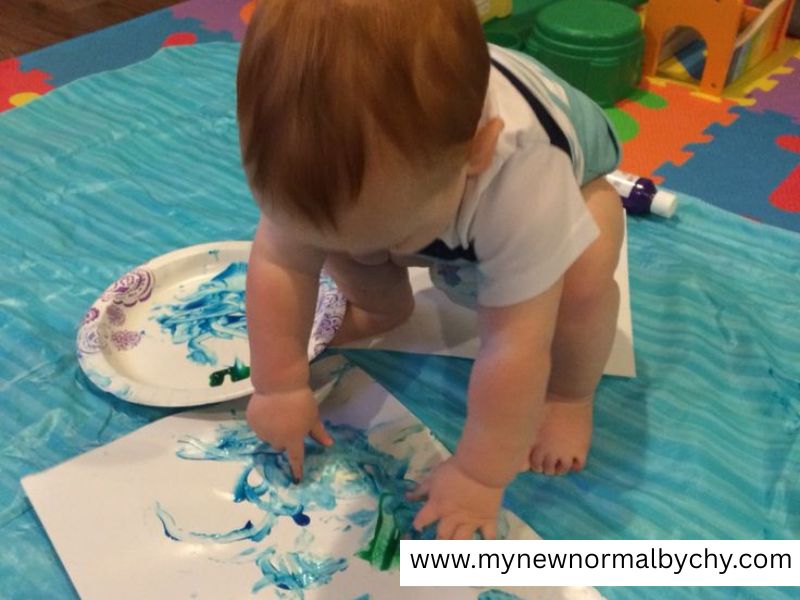
Toddlers are curious, energetic, and constantly looking for something to do. The key is having a bank of simple activities you can pull out quickly without a lot of setup.
Outdoor adventures are some of the best toddler activities available and they’re completely free. Nature walks, playground visits, backyard exploration, and simple water play outside give toddlers the physical activity and sensory stimulation they need. Fresh air genuinely helps, both them and you.
Creative activities like coloring, finger painting, play dough, and simple crafts are wonderful for developing fine motor skills and encouraging imagination. Don’t worry about the mess too much.
A plastic tablecloth and washable paint go a long way, and the mess is usually worth it.
Learning through play happens naturally when toddlers have access to building blocks, shape sorters, simple puzzles, and pretend play setups.
These activities build problem-solving skills, spatial awareness, and language without feeling like “learning” at all.
Keeping Your Home Safe

As babies become mobile and toddlers become fearless, childproofing your home becomes increasingly important. Get down on your hands and knees and look at each room from your child’s eye level, you’ll immediately spot hazards you’d otherwise miss.
In the kitchen, secure cabinets with child locks, store cleaning products and sharp objects completely out of reach, and use back burners when cooking.
Living areas should anchor heavy furniture like bookshelves and dressers to the wall, cover electrical outlets, and clear any small objects that could be choking hazards.
Also, In the bathroom, lock medication storage, consider toilet locks for very young children, and never leave a child unattended near any amount of water.
Childproofing isn’t a one-time task, as your child grows, the hazards change. Revisit your safety measures regularly.
The Ultimate Baby and Toddler Care Guide for First-Time Parents: Everything You Need to Know From Birth to Age 3
Why Baby and Toddler Care Can Feel So Overwhelming

Let’s start by saying this out loud: caring for a baby or toddler is genuinely hard work. It’s not just a matter of being tired or disorganized. It’s hard because babies and young toddlers depend on you for absolutely everything.
Unlike older children who can pour their own cereal or entertain themselves for an hour, little ones need constant hands-on care. They need to be fed regularly, changed frequently, kept safe, comforted when upset, helped to sleep, and engaged in ways that support their growing brains and bodies. That’s a full-time job, on top of whatever else you already have going on.
Many parents also feel pressure to do everything perfectly. Between social media highlight reels and unsolicited advice from well-meaning relatives, it can feel like everyone else has it together except you. They don’t. Parenting is messy and unpredictable for everyone.
The good news is that once you have a few simple systems in place and realistic expectations, caring for young children feels far less chaotic. You won’t eliminate the hard parts, but you can reduce the unnecessary stress.
Creating a Daily Routine That Actually Works
One of the things that makes early parenthood feel so chaotic is the lack of predictability. When you never know what’s coming next, it’s hard to relax or get anything done.
The solution isn’t a rigid, minute-by-minute schedule, babies don’t work that way, and chasing a strict timetable will only stress you out more. What helps is a loose daily rhythm: a predictable sequence of events that gives both you and your baby a sense of what comes next.
A simple rhythm might look like this:
Morning: Wake up, feed or serve breakfast, get dressed, some play or outdoor time.
Midday: Lunch, outdoor activity or active play, nap time.
Afternoon: Snack, quiet learning activities, independent play while you tackle tasks.
Evening: Dinner, bath, wind-down time, bedtime routine, sleep.
You don’t need to hit these at exact times every day. What matters is the order and consistency. When your toddler knows that bath always comes after dinner and story always comes after bath, they stop fighting each step because they know what’s coming.
That consistency is deeply reassuring for young children, and it makes your day feel far more manageable.
Check Out
How To Create A Family Morning Routine That Actually Works
Time Management Tips For Stay-At-Home Moms
Self-Care for Busy Parents

This section might feel like a luxury you can’t afford right now, but please keep reading.
Parents who are completely depleted cannot parent well. You can run on empty for a while, most parents do, but at some point the burnout catches up with you, and it affects your patience, your presence, and your relationships.
Taking care of yourself is not selfish. It’s what allows you to keep showing up for your child.
Self-care doesn’t have to mean spa days or solo vacations (though if you can swing it, great).
It can be as simple as drinking a full glass of water, stepping outside for five minutes of fresh air, taking a proper lunch break, asking your partner or a family member to take the baby for an hour so you can sleep. Say yes when people offer help. Ask for it when they don’t.
15 Simple Summer Self- Care Ideas For Busy Moms
Nurturing Your Relationship After Having Kids

Parenthood changes relationships in ways most couples aren’t fully prepared for. When all your energy goes into keeping tiny humans alive, your relationship with your partner can start to feel like an afterthought.
Making small, intentional efforts to connect with your partner matters. You don’t need elaborate date nights, a simple meal together after the kids are in bed, a ten-minute conversation that isn’t about logistics, a shared laugh about the chaos of the day. These small moments of connection are what keep a relationship strong through the demanding early years.
Disconnected From Your Spouse After A Baby? Tips To Reconnect
How Can I Improve Communication With My Spouse Today?
Time-Saving Tips for Everyday Parenting
When life is busy, every shortcut counts. Prepare snacks and simple meals in advance during quieter moments so you’re not scrambling at meal times.
Keep your cleaning routine simple and focused, a clean enough home is a realistic goal; a spotless home is not.
Use visible family calendars to track appointments and activities so nothing falls through the cracks.
Most importantly, accept help when it’s offered. From your partner, your parents, your friends, your neighbors.
Parenting was never meant to be done in isolation, and accepting support isn’t weakness, it’s wisdom.
My Final Thoughts
Parenthood doesn’t come with a manual, but it does come with opportunities to learn and grow alongside your child. There will be challenging days, sleepless nights, and moments when you wonder whether you’re doing enough.
The truth is that children don’t need perfect parents. They need loving, attentive caregivers who show up day after day.
Trust yourself. Learn as you go. Celebrate small victories. And remember that every stage, from newborn snuggles to toddler adventures, is temporary and worth cherishing.
By focusing on your child’s physical, emotional, and developmental needs while also caring for yourself, you’ll build a strong foundation that benefits your family for years to come.
Frequently Asked Questions
1. What are the most important baby care essentials?
Diapers, wipes, feeding supplies, safe sleep equipment, appropriate clothing, and a properly installed car seat are the non-negotiables.
2. How can busy parents stay organized?
Simple routines, labeled storage systems, nursery organization, and meal planning all help reduce the mental load significantly.
3. How much sleep do babies and toddlers need?
Newborns typically need 14–17 hours of sleep daily. Toddlers generally need 11–14 hours including naps. Sleep needs decrease gradually as children grow.
4. How can I get my toddler to eat healthier foods?
Offer variety without pressure, eat alongside your child, and keep mealtimes positive. Repeated exposure to new foods over time is more effective than forcing or bribing.
5. What’s the best way to handle tantrums?
Stay calm, acknowledge your child’s feelings, maintain consistent boundaries, and respond predictably. Over time, this approach genuinely reduces tantrum frequency.
6. How do parents find time for themselves?
Prioritize small breaks, share responsibilities with your partner, accept help from others, and let go of the pressure to do everything perfectly.
Leave a Reply