You’re standing in the cereal aisle of your local grocery store. Your cart is half-full, your list is half-done, and then, it happens. Your toddler spots the brightly colored box of sugary cereal, you say no, and within seconds the world ends. At least, it does according to the small human now lying flat on the supermarket floor, screaming at the top of their lungs.
Every parent who has ever taken a toddler outside the house knows this moment. It doesn’t matter how prepared you are, how well your morning went, or whether you remembered to pack the snacks and the favorite stuffed animal. Toddler tantrums in public are one of the most universally dreaded experiences of early parenthood, and one of the least talked about honestly.
We’ve all felt that hot wave of embarrassment as strangers turn to stare. We’ve all muttered something under our breath while trying to stay calm on the outside. And we’ve all Googled, late at night after the dust settled, “how to stop toddler tantrums in public.”
This post is the honest, practical answer to that search. Not a list of empty platitudes or tips that sound great in theory but fall apart at the entrance to Target. Real strategies that work, rooted in child development, written and backed by the experiences of someone who has two toddlers and has had her own fair share of this “public embarrassment”.
Check out:
How To Prepare Your Toddler For A New Baby: Everything You Need To Know
Signs Your Toddler Is Ready For Potty Training
How To Reset A Toddler’s Sleep Schedule

Have You Ever Wondered Why Tantrums Happen?
Yeah, I guess you have.
The truth is, tantrums aren’t bad behavior. They’re developmentally normal behavior from a brain that is simply not yet equipped to handle big emotions.
The prefrontal cortex; the part of the brain responsible for emotional regulation, impulse control, and rational thinking , isn’t fully developed until the mid-twenties. Your two-year-old’s brain is doing the absolute best it can with very limited tools.
When a toddler melts down, they’re not manipulating you. They’re not trying to embarrass you. They’re overwhelmed, and have no other way to communicate it.
Tantrums typically peak between ages one and four, and they happen in public for very specific reasons. Public environments are overstimulating, bright lights, loud sounds, unfamiliar smells, and a lot of “no” from a caregiver who is distracted and busy. Add in hunger, tiredness, or a disrupted nap schedule, and you’ve essentially set the stage for a meltdown.
Understanding this changes everything. When you see your toddler’s tantrum as a communication failure rather than a behavioral problem, your entire approach shifts.
The Simple Check Every Parent Should Do Before Going Out
Before any outing, and the moment you sense a meltdown brewing — run a quick check on your child using the word HALT:
H – Hungry? A hungry toddler is a ticking time bomb. Small stomachs empty fast, and low blood sugar is one of the biggest tantrum triggers. Never leave the house without snacks. Ever.
A – Anxious or Overwhelmed? Is the place you’re going too loud, too crowded, or too unfamiliar? Has something already upset them today?
L – Lonely or Needing Attention? Sometimes toddlers melt down simply because they need more of you. If you’ve been busy, on your phone, or rushing around without checking in, they may be acting out just to get your attention.
T – Tired? Being tired is the number one tantrum trigger. Plan your outings around your toddler’s sleep schedule. The grocery run right before naptime? Push it to after.
This check won’t prevent every tantrum, but it will stop the most avoidable ones, which, honestly, is most of them.
What to Do Before You Even Walk Out the Door
The best way to handle a tantrum is to stop it before it starts. Here’s how to set your outing up for success.

Tell Your Toddler What’s Going to Happen
Toddlers love knowing what to expect. Surprises, even small ones, can throw them off completely. Before you leave, explain the plan in simple words.
“We’re going to the grocery store. We’ll get milk, bread, and bananas. Then we come home for lunch.”
This gives your child a picture of the day. They know what’s coming, and that reduces anxiety. You can even give them a role: “Can you help me find the bananas?” When toddlers feel included and useful, they behave better.
Say the Hard Thing Before You Go In
If you know your child will ask for something you’re not buying, talk about it before you step inside.
“We’re not getting candy today. We’re getting food for dinner. If you help me stay on track, we can stop at the park on the way home.”
Some parents worry this sounds like a bribe, but what you’re really doing is removing the surprise. You’re not rewarding a tantrum; you’re preventing one.
Pack These Things Every Single Time
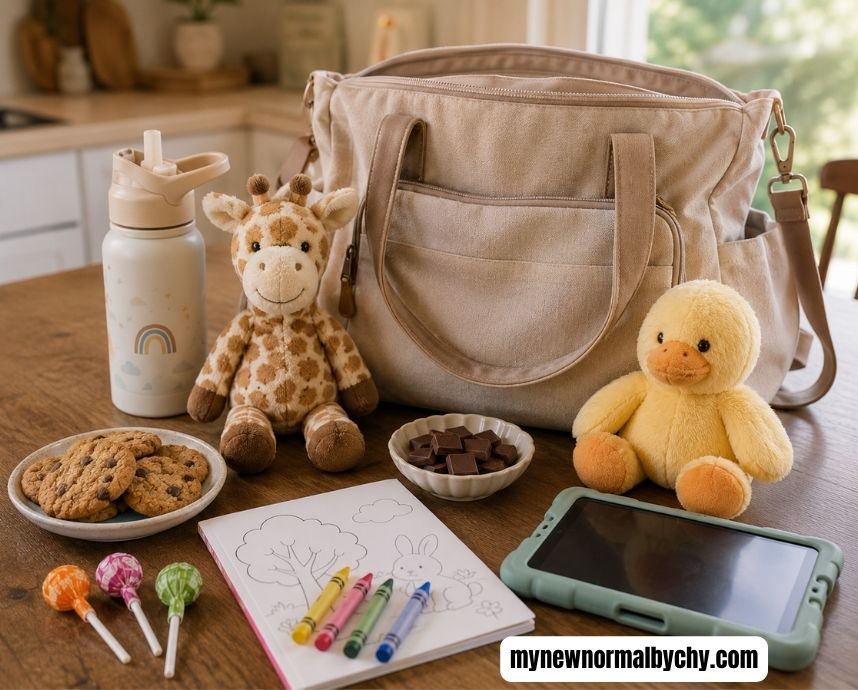
Your go-bag for public outings should always include: snacks, a water bottle, a comfort item (stuffed animal, small toy), and when all else fails, your phone with a show or game loaded. Yes, really. There’s no parenting prize for suffering through a full meltdown when ten minutes of Peppa Pig or Bluey would have gotten you through checkout. Do what works.
You will also like:
The Ultimate Baby & Toddler Care Guide:Everything You Need To Know From Birth To Age 3
Baby Nursery Closet Organisation Ideas For Small Spaces
30 Fun Scree-Free Summer Activities For Busy Toddlers
What to Do the Moment a Tantrum Starts
Even with the best preparation, some tantrums will still happen. Here’s exactly what to do when one hits.
Take a Breath, Your Calm Calms Them
This is the hardest part and also the most important. When your child is falling apart, your job is to be the steady one. Toddlers actually pick up on your emotional state, when you stay calm, their brain starts to calm down too. When you panic or raise your voice, it tells their brain that yes, this is a real emergency, and they escalate.
Breathe in. Drop your shoulders. Soften your voice. This isn’t about looking good for strangers , it’s one of the most powerful tools you have.

Get Down to Their Level
Crouch or kneel down so you’re face to face with your toddler. This small move says “I’m here with you” instead of “I’m towering over you.” It feels less threatening and helps them feel safer faster.
Keep your body relaxed: no crossed arms, no clenched jaw, no exasperated sighs.
Say What They’re Feeling Out Loud
Before you explain anything or correct any behavior, name what your child is feeling.
“You’re really disappointed right now.” “You’re so frustrated because you wanted that toy.” “I can see you’re really sad.”
When toddlers feel understood, the intensity of the emotion drops. It also teaches them over time to use words instead of screams. And it keeps you connected to your child as a person, not just a problem to solve.
Stop Trying to Reason With Them Mid-Meltdown
Almost every parent does this: launch into explaining and negotiating while the tantrum is in full swing.
“But you have toys at home! So many toys! If you just calm down, we can talk about it…”
It doesn’t work. When a toddler is in the middle of a meltdown, the thinking part of their brain shuts down. They literally cannot process what you’re saying. Save the talking for after. Right now, just stay close and stay calm.
Give Them Two Simple Choices
Giving your toddler a tiny bit of control can interrupt the spiral before it gets worse.
“Do you want to sit here with me, or do you want to walk and take some deep breaths?” “Should we go look at the fish tank, or would you like to help push the cart?”
Keep it to two options only, and make sure you’re genuinely okay with either one. Fake choices — “you can stop crying or we can go home” — that are really just threats tend to make things worse.
Just Talk Through What’s Happening
If you’re not sure what to say, just narrate what you see. No judgment, no lecturing — just describe it out loud.
“You really wanted that cookie. I said no and now you’re really upset. That’s okay. I’m right here.”
This keeps you connected and communicating even when there’s nothing to fix.
It’s Okay to Just Leave
Sometimes the kindest thing — for your child and for you — is to cut the trip short. Put the cart to the side, pick up your toddler, and head to the car. Go home.
This is not failure. This is good parenting. A toddler in full meltdown cannot recover in a busy, loud, overstimulating place. Sometimes removing them from the situation is the fastest way to calm everyone down.
15 Water Play Summer Activities For Toddlers
The Best Sensory Play Ideas For Rainy Days
How To Set Up A Small Backyard Play Area For Toddlers
Stop Worrying About What Other People Think

Everyone is definitely going to stare and possibly have an opinion or an expression you might feel uncomfortable with
The grandmother clicking her tongue, couple exchanging glances or the person who helpfully announces, “Somebody’s tired!” as if you hadn’t noticed.
The embarrassment of a public tantrum is often harder to handle than the tantrum itself. We worry about being judged. We feel like bad parents. And that shame makes it so much harder to stay calm and present.
Here’s what’s actually true: most people watching your toddler are either parents who feel completely sympathetic, or people who have simply forgotten what this stage is like. The harsh judgment you’re imagining is usually your own inner voice, not the room.
And if someone really is judging you? They don’t know your child, your morning, whether your toddler is cutting molars, skipped their nap, or if this was the third errand of the day. Their opinion in this moment doesn’t count.
Your child needs you to be present with them, not performing for an audience. Let the audience go.
20 Creative Backyard Play Areas For Kids On A Budget
Creative Phonics Activities To Help Kids Love Reading
10 Fun Phonics Games Kids Can Play At Home
10 Easy Phonics Practice Ideas For Busy Parents (That Actually Work)
What to Do After the Tantrum Is Over
The moments after a tantrum matter just as much as the moments during. Don’t skip this part.
Hug First, Talk Later
Once your child has calmed down, give them physical comfort first, a hug, a cuddle, a quiet moment together. Let them fully settle before you say anything about what happened.
Lecturing a toddler who just had a big emotional meltdown is like scolding someone for crying. Their system is exhausted. They need to feel safe and loved before anything else.
Keep It Short and Warm
When they’re truly calm, you can say something simple:
“You got really upset back there. That was really hard. I love you and I’m always here, even when things feel big.”
You don’t need a long conversation. You don’t need an apology from them or a full explanation from you. Just close the moment with warmth and move on.
Quietly Think It Through Later
Once the kids are in bed, give yourself five minutes to think back on what happened. Not to beat yourself up, to learn.
Was there a HALT factor? Did the environment make things worse? Was there a moment you could have stepped in earlier? Did something work that you want to try again?
This quiet reflection is how your confidence builds over time.
Simple Habits That Make Tantrums Less Frequent
The strategies above help in the moment, but building these habits at home will reduce how often tantrums happen in the first place.
Talk About Feelings Every Day
The more you name emotions with your toddler during calm, ordinary moments, the better they get at handling those emotions when they’re out in the world.
“You look frustrated that the blocks fell.” “You seem so happy right now!” “You’re sad that the show is over. I get it.”
This isn’t just sweet, it literally builds emotional skills in their developing brain.
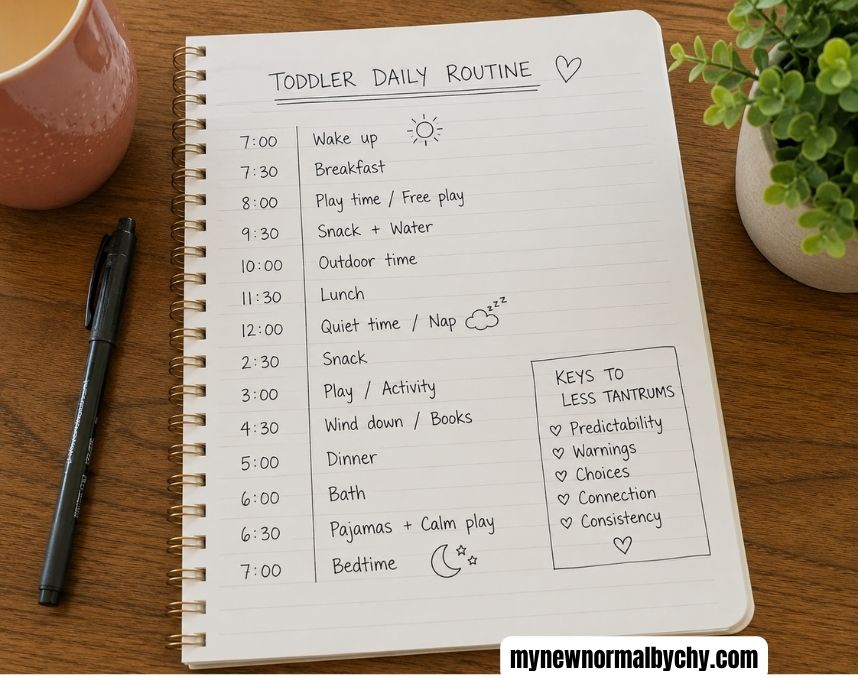
Keep a Predictable Routine
Toddlers feel safest when life is predictable. Regular sleep, meal, and activity rhythms lower their overall stress, which means they have more capacity to cope when something goes wrong outside the house.
Get Outside Every Day
Toddlers who get regular outdoor time, running, climbing, exploring, handle frustration better. Even twenty minutes outside before a big outing can make a noticeable difference in how your child holds it together.
Practice Going Out With No Pressure
If your toddler really struggles in public, sometimes they just need more reps. Try short, low-stakes outings with no agenda — a quick browse in a shop, a walk through the market , where the goal is simply a positive experience, nothing more. Over time, this helps them associate being out with feeling okay instead of feeling stressed.
You’re Carrying a Lot Too, This Part Is for You
This whole post has been about your toddler, but let’s take a moment for you.
Public tantrums are exhausting. Physically tiring, emotionally draining, and, because of all those watching eyes, socially humiliating in a way that’s hard to explain to anyone who hasn’t lived it. If you dread leaving the house, that’s real. If you’ve cried in the car on the way home, you are in very good company.
You are not a bad parent because your toddler has tantrums. You are a parent of a toddler. This is the season. It is hard, and it is also temporary. The same child currently face-down on the pharmacy floor because you broke the cracker in half will one day be a functioning adult who handles disappointment like a normal person.
Skip the outing when you don’t have the bandwidth. Accept help when it’s offered. Talk to other parents, because this stage is best survived with honesty and a lot of dark humor.
You are doing better than you think you are.
Your Quick Cheat Sheet (Save This!)
Before you leave the house:
- HALT check, Hungry? Anxious? Lonely? Tired?
- Tell your toddler the plan in simple words
- Address the “nos” before you walk in
- Pack snacks, a comfort item, and your phone
When a tantrum starts:
- Breathe and stay calm, your calm is contagious
- Get down to their level
- Name the feeling out loud
- Don’t try to reason mid-meltdown
- Offer two simple choices
- Narrate calmly if you’re stuck
- Leave if you need to, that’s okay
After it’s over:
- Hug first, talk later
- Keep your words short and warm
- Give yourself a quiet, kind debrief
The Bottom Line
There’s no magic word that stops a tantrum mid-scream. There’s no single trick that makes them disappear forever. Anyone promising you that is overselling it.
What there is instead is this: understanding your child’s brain, knowing their needs, and showing up with patience and connection even when it’s hard. The more you practice this, the more confident you’ll feel, even in the middle of a grocery store meltdown with an audience.
Toddler tantrums in public are not proof you’re failing. They’re proof you have a toddler. And every time you stay calm, stay close, and stay kind, you are doing exactly what your child needs.
Even when it doesn’t feel like it. Especially then.
Frequently Asked Questions
Q: At what age do toddler tantrums usually stop?
Tantrums typically peak between ages 2 and 3, though many children start having them as early as 12–18 months. By age 4, most children have developed enough language and emotional skills to express frustration without full meltdowns. If intense tantrums continue well past age 4 or are significantly affecting daily life, it’s worth speaking with your child’s pediatrician.
Q: Is it okay to just ignore a tantrum in public?
Partially, yes. Ignoring the behavior (not giving in to the demand, not reacting dramatically) is actually a healthy response. But ignoring your child entirely, walking away, refusing to engage, can make them feel abandoned at a moment when they need your presence. The goal is to stay physically close and emotionally calm without giving the tantrum what it’s demanding.
Q: Should I give my toddler what they want to stop the tantrum?
No, and not because you need to “win,” but because giving in to a tantrum teaches your toddler that melting down is an effective strategy. Hold the boundary you set, and focus on helping them through the emotion instead. This is hard in public when you just want the screaming to stop, but staying consistent is what changes behavior over time.
Q: What if my toddler has tantrums every single time we go out?
Start smaller. Very short, low-pressure outings, a five-minute walk to a nearby shop, a quick trip with no shopping list, can help your toddler build positive associations with being out. Also revisit the HALT check every time: frequent tantrums often trace back to consistent tiredness or hunger, which are adjustable.
Q: How do I stop myself from losing my temper during a tantrum?
This is one of the hardest parts of parenting a toddler. A few things that help: take one slow breath before you react; remind yourself that your toddler is overwhelmed, not being deliberately difficult; and give yourself permission to be imperfect. You will lose your cool sometimes. Apologize, move on, and try again. Consistent repair matters more than perfect reactions.
Q: My toddler’s tantrums seem really extreme – is something wrong?
Some children are naturally more intense and emotionally sensitive than others, and that’s within the normal range. However, if tantrums are extremely frequent, last a very long time, involve your child hurting themselves or others, or are accompanied by breath-holding that causes them to faint, it’s a good idea to bring it up with your pediatrician. In some cases, extra support or evaluation can make a big difference for both you and your child.
Q: What should I say to strangers who comment during a tantrum?
You don’t owe anyone an explanation. A simple “we’re okay, thanks” is more than sufficient, and you can say it without breaking your focus on your child. If someone is being genuinely unkind, you are fully within your rights to say “I’ve got it handled, thank you” and turn back to your child. Your only job in that moment is your kid, not managing other people’s comfort.
Q: Does letting my toddler watch screens help or make tantrums worse?
Used intentionally, screens can be a perfectly valid tool for getting through a difficult moment, like a long checkout line or a wait at a restaurant. They don’t cause tantrums. However, if screens are used to avoid all discomfort, children don’t get the chance to practice tolerating frustration. The key is balance: screens as a helpful tool when needed, not as a substitute for helping your child work through their feelings.
Did this post help? Save it for the next time you need it, probably from the parking lot. And share it with a parent friend who could use a reminder that they’re not alone.
Browse more posts on toddler behavior, emotional development, and surviving the early years with your sanity (mostly) intact.
Leave a Reply