Learn How to Stop Postpartum Hair Shedding: Causes, Tips and Hair Care for New Moms.
Having a baby brings so many changes. Your daily routine changes, your sleep changes, and your body goes through changes that can sometimes feel surprising.
One of those changes can be your hair.
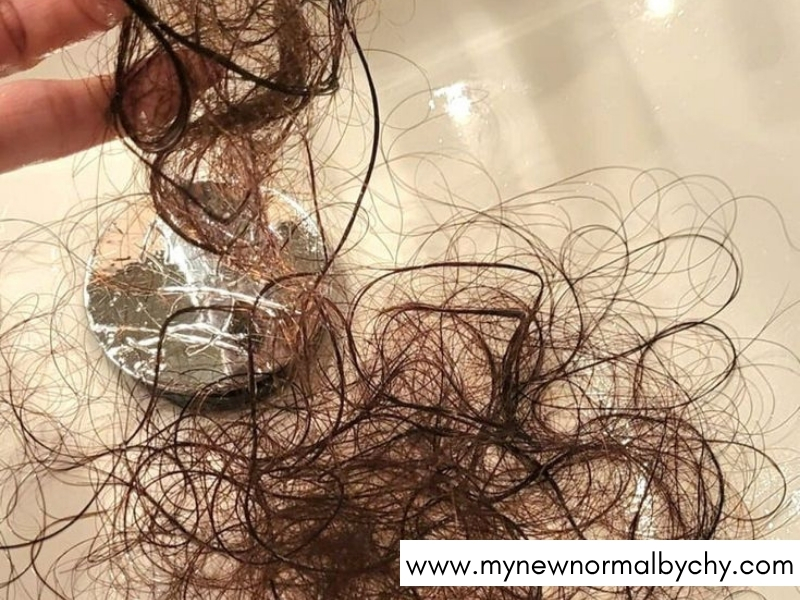
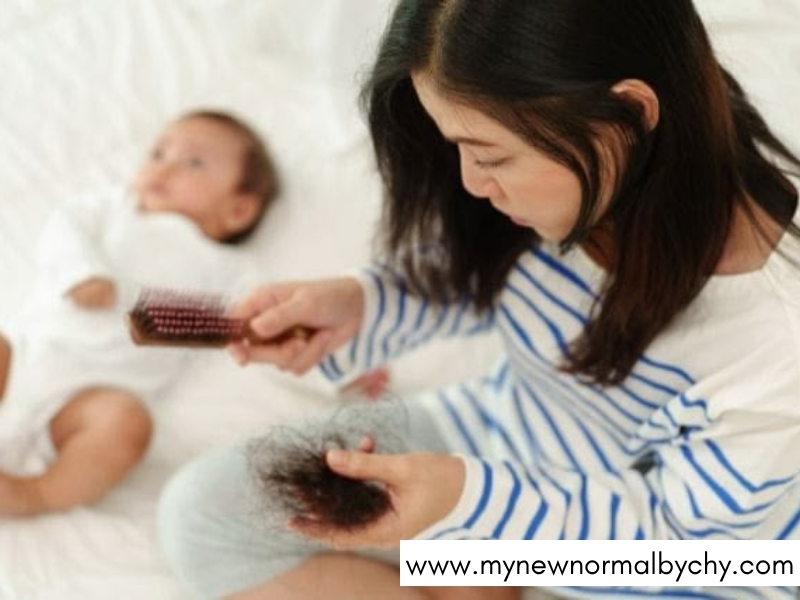
You may notice more strands on your pillow, in your shower, on your clothes, or caught in your hairbrush. If you have always had thick hair, the change can feel especially noticeable. You may even wonder, “Why is my hair suddenly falling out?”
The good news is that postpartum shedding is common. It is usually linked to the normal changes in your hair-growth cycle after pregnancy. In many cases, it gradually improves as your body adjusts.
So, how to stop postpartum hair shedding is not always about finding a product that stops the shedding immediately. Instead, it is about understanding why it happens, protecting the hair you still have, supporting your overall health, and giving your body time to recover.
Postpartum hair shedding is often called telogen effluvium. During pregnancy, hormonal changes keep more hairs in the active growth phase. After delivery, estrogen levels fall, and many of those hairs enter the resting phase before shedding. This is why the shedding can seem sudden.
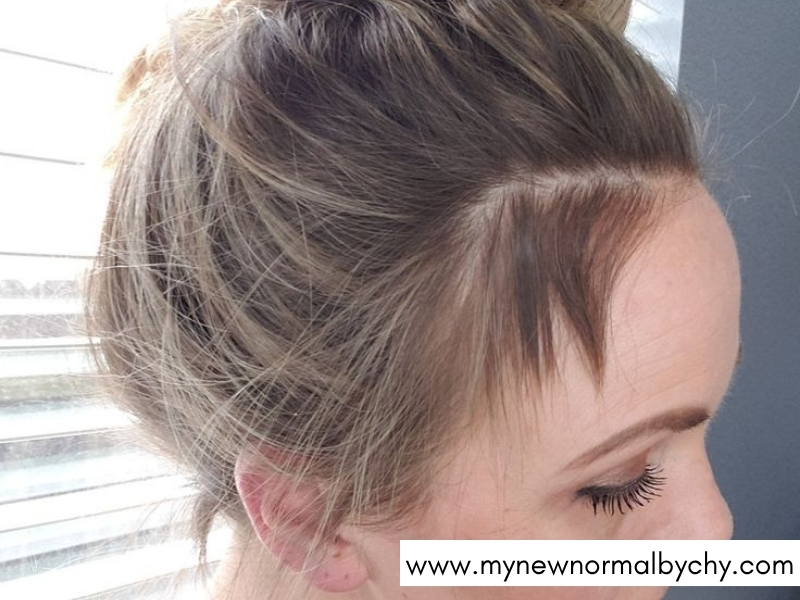
In this guide, we’ll discuss how to stop postpartum hair shedding, what causes it, what you can do to care for your hair, and when it may be time to talk with a healthcare professional.
What Is Postpartum Hair Shedding?
Postpartum hair shedding is increased hair shedding that happens after giving birth.
It is different from ordinary daily shedding because you may notice much more hair than usual. You might see strands coming out when you wash your hair or gently detangle it.
For many new moms, the shedding becomes noticeable a few months after childbirth. Cleveland Clinic notes that it commonly begins around three months after delivery and is temporary for most people.
This can happen because pregnancy changes the normal hair-growth cycle.
During pregnancy, increased estrogen helps keep more hairs in the growth phase. After delivery, estrogen levels decrease. The hairs that stayed in the growth phase during pregnancy eventually move into the resting and shedding phases.
That means the hair you are losing now may actually be responding to hormonal changes that happened months earlier.
Understanding this can make the experience less frightening.
If you are wondering how to stop postpartum hair shedding, the first thing to know is that you usually cannot completely prevent normal hormone-related shedding. However, you can take steps to reduce additional damage and support healthy hair as it grows back.
Why Does Postpartum Hair Shedding Happen?
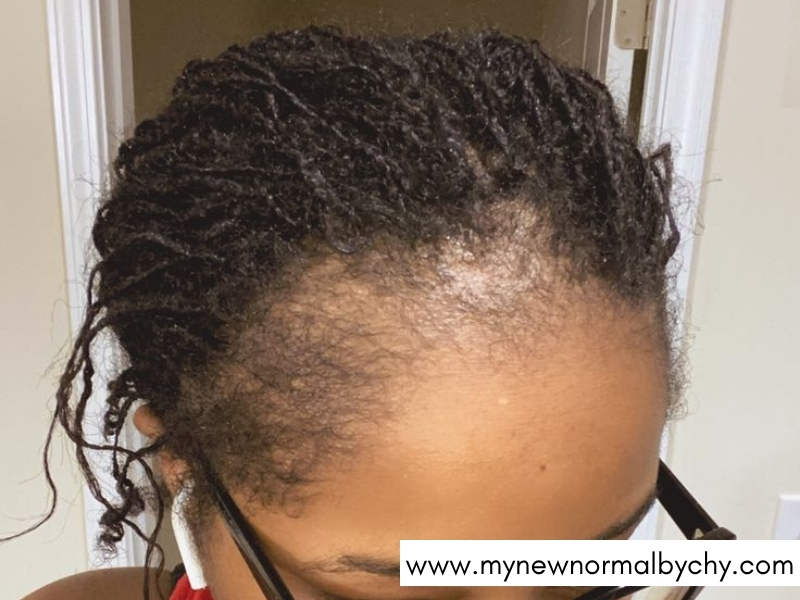
There isn’t just one reason your hair may shed after having a baby.
Hormonal changes are the main reason for typical postpartum shedding. However, other factors can affect hair health during the postpartum period.
Hormonal Changes
Hormones play a major role in postpartum hair changes.
During pregnancy, estrogen levels rise. This can keep hair in the growing phase for longer than usual.
After childbirth, estrogen levels drop. As a result, more hairs move into the resting phase and eventually fall out.
This is why you may suddenly notice much more hair in your brush.
The change can look dramatic, but it does not necessarily mean your follicles are permanently damaged.
Physical Stress From Pregnancy and Childbirth
Pregnancy and childbirth place significant demands on the body.
Your body has spent months supporting your baby’s development. Then, it has to recover from delivery while adjusting to a completely new routine.
Physical stress can affect the hair-growth cycle as well. Stress is also a recognized trigger for excessive shedding.
Recommendation for you
15 Comfortable Postpartum Outfits That Hide the Mom Pooch Beautifully
Pool and Spa Accessories Every Postpartum Mom Needs
7 Safe Postpartum Workout Routine for Beginners After Normal Delivery
15 Nourishing Postpartum Meals for Breastfeeding Moms
Postpartum Self-Care Tips Every New Mom Should Know
25 Stylish Thanksgiving Outfit Ideas for Women to Wear This Fall
25 Stylish Thanksgiving Outfit Ideas for Women to Wear This Fall
Changes in Nutrition
New moms often have busy days.
You may be feeding your baby, changing diapers, attending appointments, managing the home, and trying to get enough sleep. As a result, eating balanced meals can sometimes become difficult.
Your body needs adequate nutrition for overall health, including healthy hair.
Nutrients such as protein and iron are important for hair health, and deficiencies can contribute to hair shedding.
This does not mean you need to take every hair supplement you see online.
Instead, focus on nourishing meals and speak with your healthcare provider if you are concerned about a possible deficiency.
Stress and Lack of Sleep
Having a newborn can be exhausting.
Interrupted sleep, new responsibilities, and the emotional adjustment to motherhood can all contribute to stress.
Stress can affect the hair-growth cycle and may contribute to increased shedding.
You cannot always eliminate stress during the newborn stage. However, small moments of rest can still matter.
Ask for help when you can.
Let someone else prepare a meal.
Take a short break while your baby is safely cared for. You do not need to handle every part of postpartum life alone.
How to Stop Postpartum Hair Shedding Naturally
If you’re searching for how to stop postpartum hair shedding, it helps to set realistic expectations.
Normal postpartum shedding cannot always be stopped immediately because it is connected to hormonal changes. However, gentle hair care can help prevent additional breakage and damage while your hair recovers.
Be Gentle When Washing Your Hair
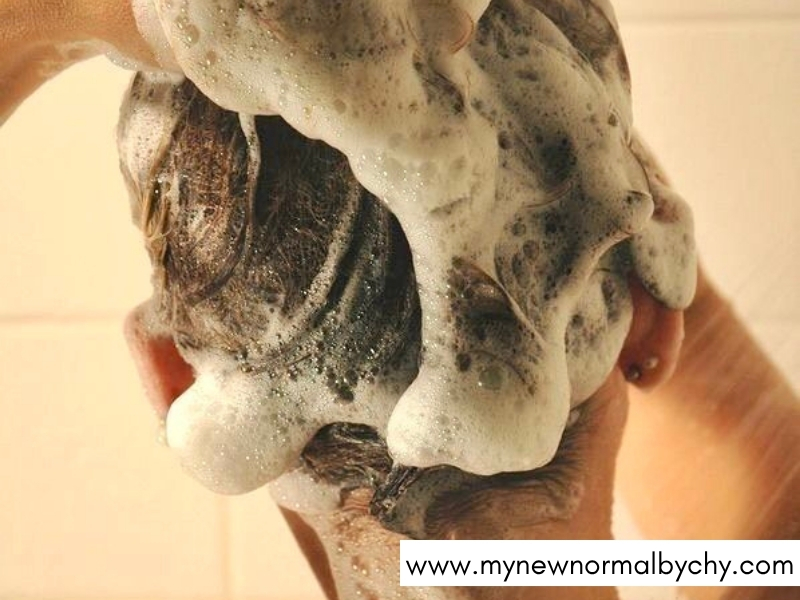
Your hair may feel more fragile during this period.
Avoid aggressive scrubbing or pulling while washing. Instead, gently massage shampoo into your scalp with your fingertips.
Use a conditioner that works for your hair type, especially if your strands become dry or tangled.
When rinsing, let the water flow through your hair instead of roughing it up.
Gentle handling can make your wash days much less stressful.
Detangle Carefully
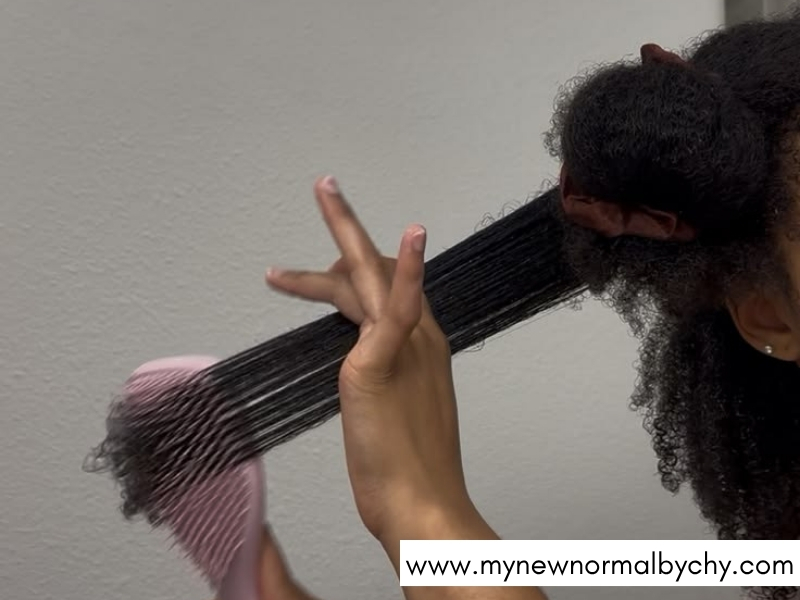
Postpartum shedding can make detangling feel intimidating.
You may see loose strands and immediately worry that you are losing too much hair. Remember that some of those hairs were already in the shedding phase.
Still, rough detangling can cause unnecessary breakage.
Start from the ends and work upward. Use a wide-tooth comb or another gentle detangling method that works for your hair type.
If your hair is curly or coily, detangle in manageable sections.
The goal is to reduce unnecessary pulling.
Avoid Very Tight Hairstyles
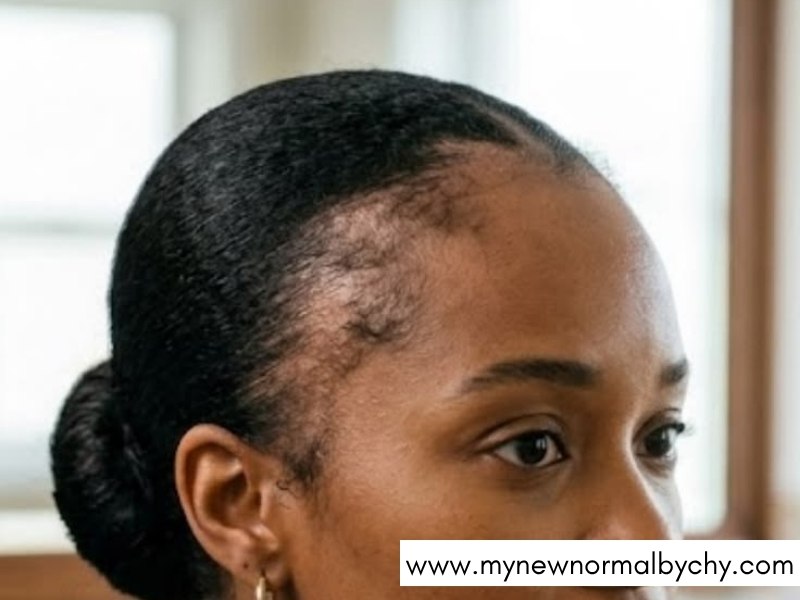
Tight hairstyles can place tension on the hair and scalp.
This is especially important if you notice thinning around your edges or hairline.
Very tight ponytails, braids, extensions, or other styles that pull strongly on the roots can contribute to hair damage and traction-related hair loss.
Choose comfortable styles instead.
Loose buns, gentle twists, low-tension ponytails, and simple protective styles can be easier on your hair.
Your hairstyle should not cause scalp pain.
If it hurts, it is too tight.
Reduce Excessive Heat
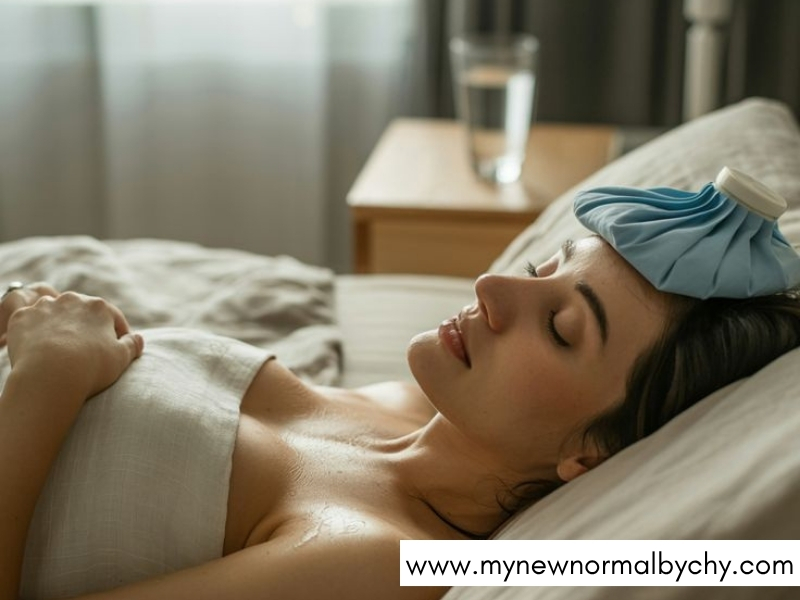
Heat styling can make already fragile hair more prone to damage.
You do not have to give up your favorite hairstyle forever. However, reducing frequent use of flat irons, curling irons, and high-heat blow-drying can help protect your strands.
When you do use heat, choose a lower setting and use appropriate heat protection.
You can also experiment with heat-free styles.
Air-drying, loose twists, rollers, or simple stretched styles may help reduce daily heat exposure.
Check out our
25 Easy Postpartum Hairstyles for Black Women With Natural Hair
18 Stay-at-Home Date Nights for Couples in the Postpartum Season
The Complete Postpartum Recovery Guide for New Moms: What to Expect Week by Week
The Secret to Looking Put Together in the Postpartum Stage
20 Stylish Breastfeeding Postpartum Outfit Ideas Every New Mom
What to Put in a Postpartum Basket for Real Recovery
Thoughtful Postpartum Basket Gift Ideas For New Mom
Be Careful With Chemical Processing
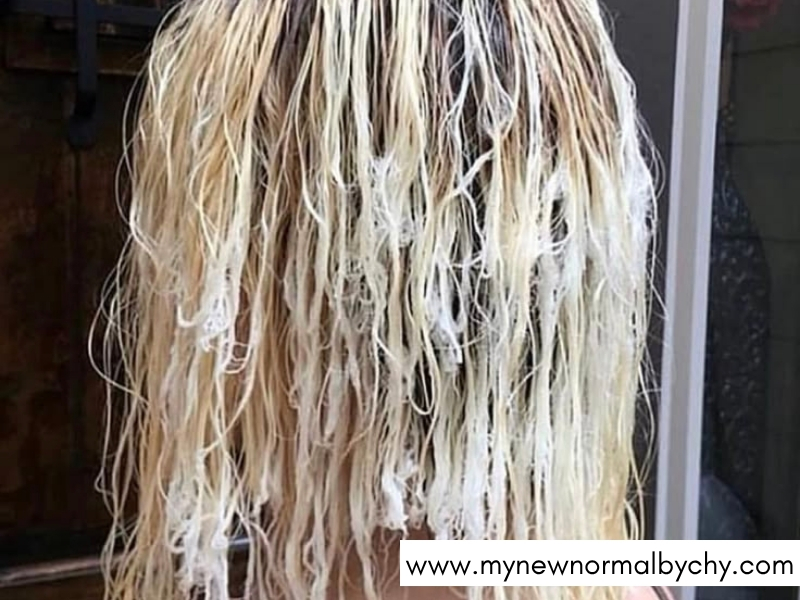
Relaxers, bleaching, coloring, and other chemical treatments can affect the strength of your hair.
During a period when you are already experiencing noticeable shedding, consider keeping your routine simple.
If you want to continue chemical treatments, discuss your hair and scalp concerns with a qualified professional.
The aim is not to make you afraid of styling your hair.
It is simply to avoid adding unnecessary stress to already fragile strands.
Focus on a Balanced Diet
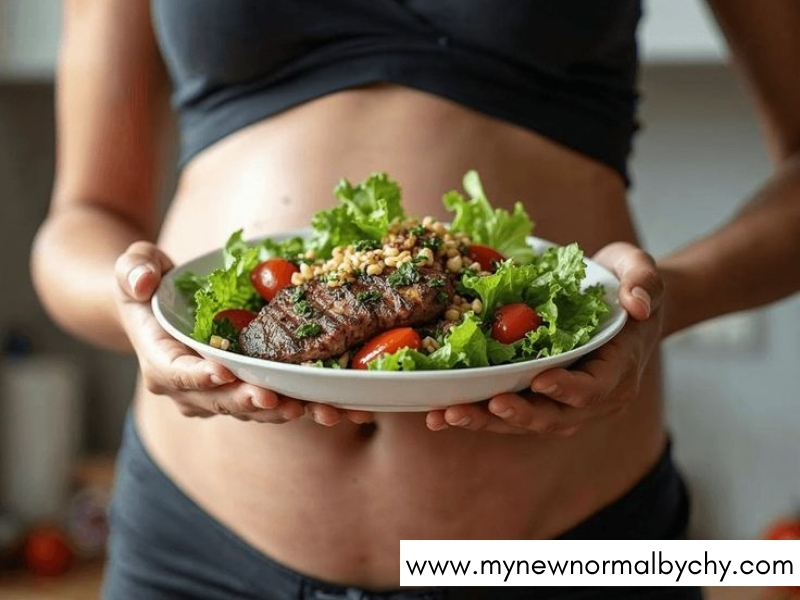
When learning how to stop postpartum hair shedding, nutrition deserves attention.
Your hair is only one part of your overall health. Rather than focusing on one “miracle” food, aim for balanced meals that provide a variety of nutrients.
Include foods such as:
- Eggs
- Fish
- Beans
- Lentils
- Lean meats
- Whole grains
- Fruits
- Vegetables
- Nuts and seeds
- Dairy or suitable alternatives
Protein is particularly important because hair is largely made from a protein called keratin.
Iron is also important for healthy hair growth. If you think you may have low iron or another nutritional deficiency, speak with your healthcare provider before starting supplements. Nutritional deficiencies can contribute to hair loss, but supplements are most useful when they address an actual deficiency.
Don’t Rush to Buy Hair Supplements
The internet is full of products promising to stop postpartum shedding quickly.
You may see gummies, powders, herbal mixtures, oils, capsules, and special hair vitamins advertised as solutions.
Be careful with these claims.
There is no magic supplement that can instantly reverse normal postpartum shedding. Cleveland Clinic also recommends discussing supplements with a healthcare provider, particularly during breastfeeding, because some products may not be well studied for this situation.
If you are considering a supplement, ask your healthcare provider first.
They can help determine whether you actually need it.
Check out our
30 Easy Back to School Hairstyles for Black Women and Girls
30 Beautiful Fall Baby Shower Ideas for a Cozy Autumn Celebration
30 Chic Fall Outfit Ideas for Moms That Are Comfortable and Stylish
Common Baby Feeding Mistakes New Parents Make (and How to Fix Them)
How to Soothe a Colicky Baby Naturally
Baby Nursery Closet Organization Ideas for Small Spaces
Choose a Simple Hair Care Routine
A complicated hair routine can become difficult when you have a newborn.
You do not need ten different products to care for your hair.
A simple routine might include:
Cleanse: Wash your scalp according to your hair type and needs.
Condition: Use a suitable conditioner to help with softness and detangling.
Moisturize: If your hair needs additional moisture, use a lightweight product that works for your texture.
Protect: Use gentle hairstyles and protect your hair at night.
Trim when needed: If you have damaged ends, a professional trim may help your hair look healthier.
Keeping your routine simple can make hair care easier during an already busy season.
Protect Your Hair While You Sleep
Your nighttime routine can make a difference in how your hair feels the next morning.
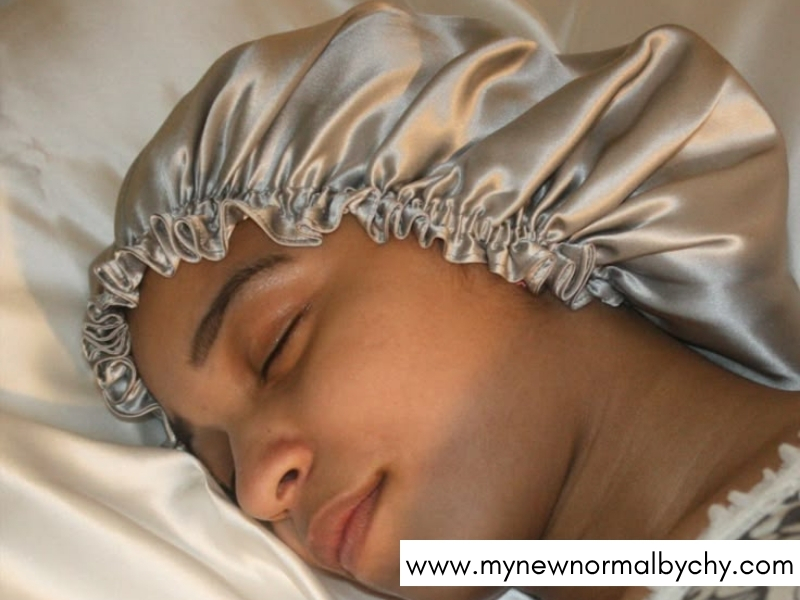
Cotton pillowcases can create friction as you move during sleep. A satin bonnet, satin scarf, or satin pillowcase can help reduce friction for many hair types.
For curly and coily hair, a loose pineapple or another comfortable nighttime style may also help preserve your hairstyle.
The most important thing is comfort.
Do not tie your hair tightly just to make it look perfect the next morning.
Give Your Scalp Gentle Care
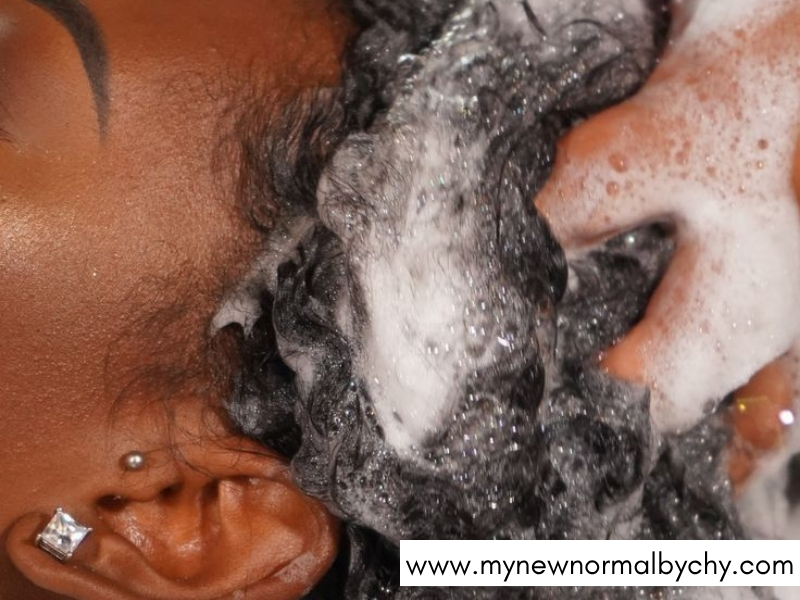
A healthy scalp provides the environment where your hair grows.
Keep your scalp clean and pay attention to changes such as persistent itching, burning, redness, scaling, or sores.
You do not need to aggressively massage your scalp or apply multiple oils.
Gentle cleansing is often more useful than piling on products.
If your scalp becomes irritated or painful, speak with a healthcare professional.
What About Hair Oils?
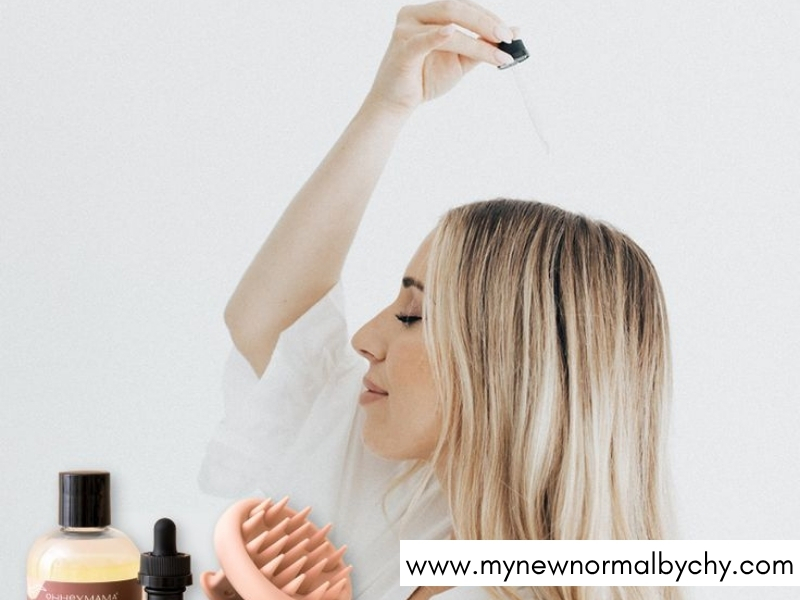
Hair oils can make hair feel softer and reduce dryness for some people.
However, an oil cannot reverse the hormonal process responsible for normal postpartum shedding.
You can use an oil that works well with your hair type if you enjoy it, but don’t feel pressured to buy expensive oils marketed as postpartum hair-loss cures.
A healthy hair routine is about consistency rather than finding one miracle ingredient.
Check out our
How to Prepare Your Toddler for a New Baby: Everything You Need to Know
Disconnected From Your Spouse After A Baby? Tips To Reconnect
35 Thanksgiving Decoration Ideas for a Warm and Festive Home
15 Easy All-Day Crockpot Recipes for Busy Moms
How I Make $1,500 a Month as a Stay-at-Home Mom Teaching English Online
Affordable Birthday Gift Ideas for Moms Under $25
25 Comfortable Capsule Wardrobe Ideas for Pregnant Moms
How to Style Thinning Hair After Pregnancy
If shedding has made your hair appear less full, styling can help you feel more comfortable while you wait for regrowth.
Try hairstyles that do not require strong pulling.
A loose side part can create a different appearance without stressing your roots.
Soft headbands can also add interest without requiring tight styling.
If you wear your hair naturally, simple wash-and-go styles, loose twists, or gentle buns can be practical choices.
If you wear locs, braids, or another protective style, make sure the style is not placing excessive tension on your scalp.
The goal is to work with your hair rather than fight against it.
How Long Does Postpartum Hair Shedding Last?
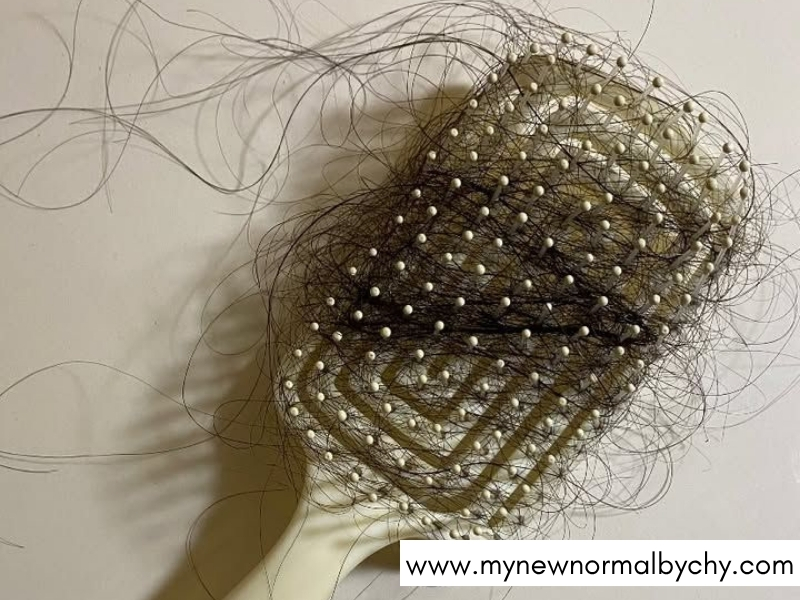
One of the biggest questions new moms ask about how to stop postpartum hair shedding is how long they will have to deal with it.
The answer varies.
Postpartum shedding often begins a few months after childbirth. Cleveland Clinic reports that the shedding commonly lasts less than six months, although some people may experience hair changes for longer. Hair fullness generally improves as the growth cycle returns to normal.
So, try not to judge your hair from one week to the next.
Hair grows slowly.
You may notice short new hairs around your hairline before your overall thickness looks different.
That can be a reassuring sign that your hair is moving through its normal cycle.
When Should You Talk to Your Doctor?
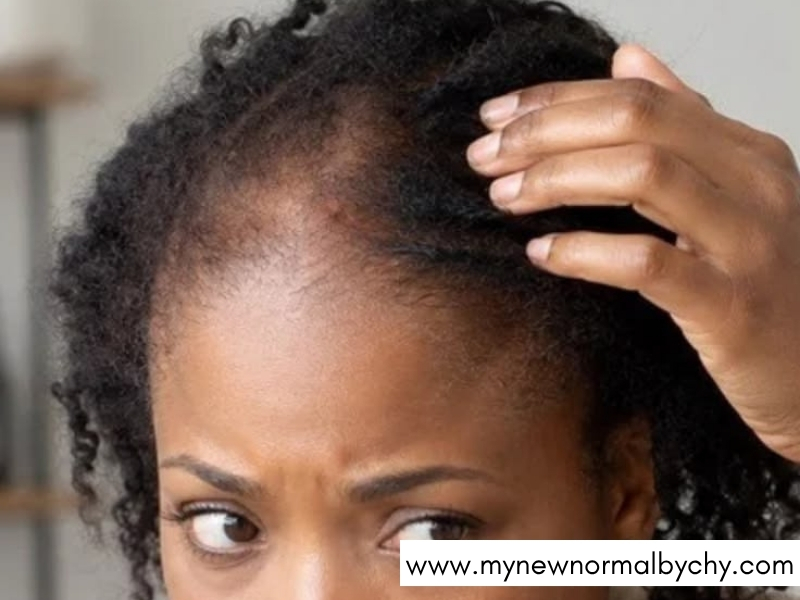
Although postpartum shedding is common, not every type of hair loss after childbirth is caused by normal postpartum changes.
Talk with your healthcare provider if your shedding continues for an unusually long time, becomes severe, or concerns you.
You should also seek medical advice if you notice:
- Bald patches
- Significant thinning in one specific area
- Scalp pain
- Burning or persistent itching
- Redness or scaling
- Sudden, dramatic hair loss
- Hair loss affecting other parts of your body
- Ongoing shedding that does not seem to improve
Conditions such as thyroid problems and iron deficiency can also contribute to hair loss, so your healthcare provider may want to investigate other possible causes.
Getting checked does not mean something is seriously wrong.
It simply helps you understand what is happening.
Can You Completely Prevent Postpartum Hair Shedding?
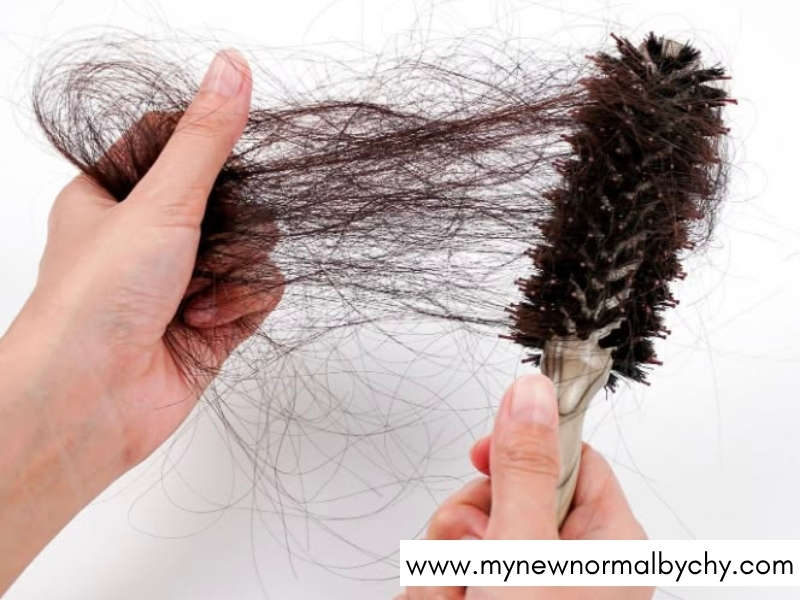
This is an important question when searching for how to stop postpartum hair shedding.
Unfortunately, there is no guaranteed way to prevent normal postpartum shedding because the primary trigger is the hormonal shift after pregnancy.
However, you can reduce additional hair damage by treating your hair gently.
That means avoiding excessive tension, reducing unnecessary heat, eating a balanced diet, and addressing possible nutritional or medical problems with your healthcare provider.
Think of your goal as protecting your hair while your body completes its natural recovery.
What New Moms Should Avoid During Postpartum Hair Shedding
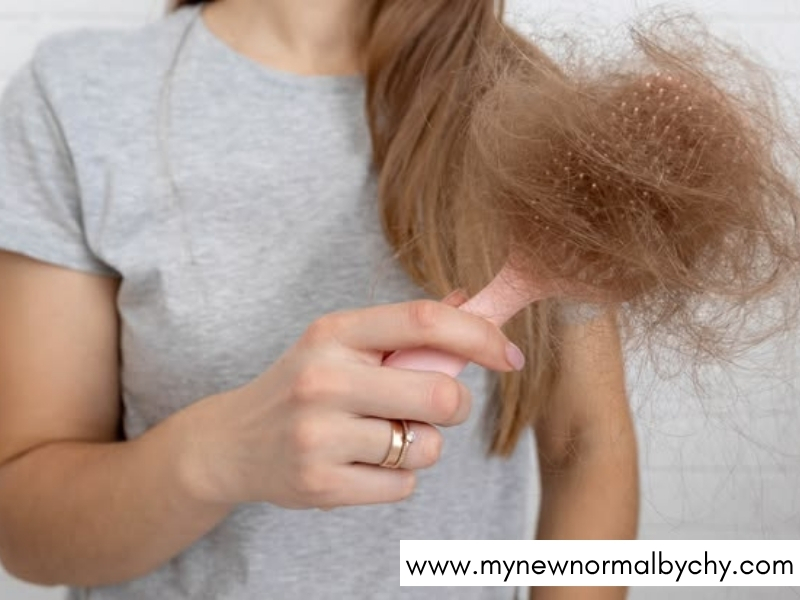
When you notice more hair falling out, it is tempting to try everything at once.
That can make things more confusing.
Instead, avoid making sudden changes based on social media promises.
Be cautious about:
- Extremely tight hairstyles
- Excessive heat
- Frequent chemical processing
- Aggressive brushing
- Heavy product buildup
- Unverified hair supplements
- Products promising instant regrowth
If something sounds too good to be true, it deserves a closer look.
Your postpartum hair does not need punishment.
It needs patience and gentle care.
A Simple Postpartum Hair Care Routine
If you are still wondering how to stop postpartum hair shedding, start with a routine you can realistically maintain.
On wash day, gently cleanse your scalp.
Follow with conditioner and detangle carefully.
After washing, use a lightweight moisturizing product if your hair needs it.
Allow your hair to dry gently and avoid unnecessary heat.
Choose a loose hairstyle that does not pull on your hairline.
At night, protect your hair with satin or another low-friction option.
Most importantly, keep your routine consistent.
You do not need to spend hours caring for your hair.
A few gentle habits can go a long way toward protecting your strands.
Don’t Forget Your Emotional Well-Being
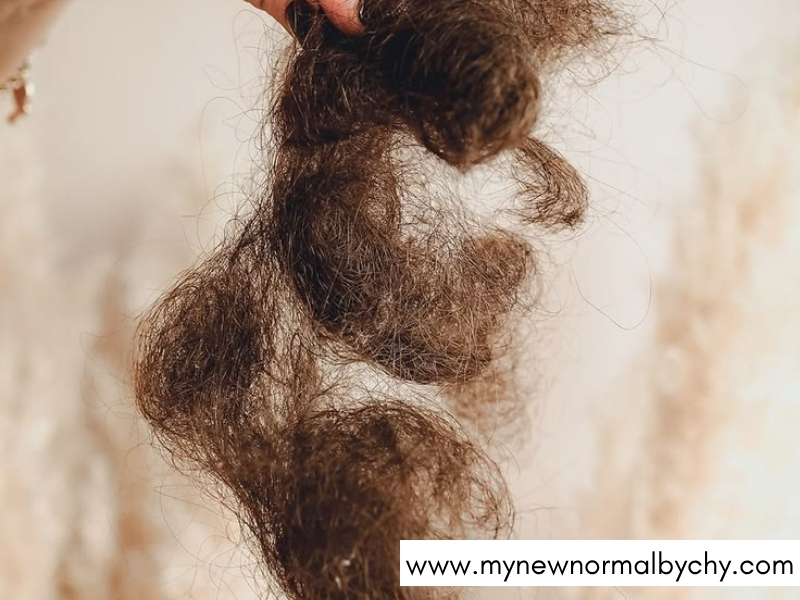
Hair changes can affect how you feel about yourself.
After giving birth, you may already be adjusting to changes in your body, schedule, sleep, and daily responsibilities. Seeing more hair in your brush can add another worry.
Try to remember that postpartum shedding does not mean you have done something wrong.
It does not mean you failed to take care of your hair.
And it does not automatically mean your hair will stay thin forever.
Give yourself the same patience you would give another new mom.
Your body has been through a major transition.
You are allowed to take your time.
Frequently Asked Questions
1. Does postpartum hair shedding mean I am going bald?
Usually, no. Normal postpartum shedding is temporary for most people and happens because of changes in the hair-growth cycle after pregnancy. Hair generally begins growing back as the cycle returns to normal.
2. What is the fastest way to stop postpartum hair shedding?
There is no guaranteed quick way to stop normal hormone-related postpartum shedding. Gentle hair care, good nutrition, avoiding tight styles, and addressing any underlying deficiencies can help protect your hair while your body recovers.
3. Can breastfeeding cause postpartum hair loss?
Postpartum shedding is primarily associated with hormonal changes after pregnancy. If you are breastfeeding and concerned about significant hair loss, speak with your healthcare provider rather than assuming breastfeeding is the cause.
4. Should I cut my hair after giving birth?
You do not have to cut your hair because of postpartum shedding. However, a shorter or simpler hairstyle may make thinning hair easier to manage and can reduce the amount of daily styling you need.
5. Can hair grow back after postpartum shedding?
Yes. For most people, postpartum hair shedding is temporary, and hair fullness improves as the normal growth cycle returns.
Conclusion
Learning how to stop postpartum hair shedding begins with understanding that you may not be able to stop normal hormonal shedding completely.
That can be frustrating, especially when you are already adjusting to life with a new baby. However, knowing what is happening can make the experience less frightening.
Focus on what you can control.
Be gentle when washing and detangling. Avoid hairstyles that pull tightly on your roots. Reduce unnecessary heat and chemical processing. Eat balanced meals, stay hydrated, and speak with your healthcare provider if you are concerned about your nutrition.
Most importantly, give your body time.
Postpartum hair shedding is often temporary. As your hormones settle and your hair-growth cycle returns to its usual pattern, new growth can appear and your overall fullness can improve.
So, when you’re searching for how to stop postpartum hair shedding, remember that healthy hair care is not about finding a miracle cure. It is about protecting your hair, supporting your health, and being patient with the process.
Your hair may look different for a while.
That does not make you any less beautiful.
You are also navigating one of the biggest transitions of your life, and your body deserves kindness during that process. Take your hair care one day at a time, ask for professional advice when something feels unusual, and remember that postpartum recovery is a journey—not a race.
Leave a Reply