Becoming a mother is one of life’s most beautiful transformations, but it also brings significant physical, emotional, and mental changes. While most pregnancy resources focus on preparing for birth and caring for your newborn, many women feel unprepared for what happens after delivery.
The truth is that postpartum recovery is a journey. Your body has spent nine months growing and nurturing a baby, and it deserves time, care, and patience to heal.
Whether you’ve had a vaginal delivery or a cesarean section, this complete postpartum recovery guide for new moms will help you understand what to expect week by week, how to support your healing, and when to seek professional help
What Is the Postpartum Period?
The postpartum period, sometimes called the “fourth trimester,” begins immediately after childbirth and generally lasts for the first six weeks. However, many healthcare professionals agree that postpartum recovery extends far beyond six weeks.
For some mothers, physical recovery may take several months. Emotional recovery, hormonal adjustment, sleep deprivation, and adapting to motherhood can continue well into the baby’s first year.
During this period, your body is recovering from:
- Pregnancy
- Labor and delivery
- Hormonal fluctuations
- Blood loss
- Sleep deprivation
- Breastfeeding demands
- Major lifestyle changes
Giving yourself grace during this season is one of the most important things you can do.
Important: This guide is for educational purposes and does not replace medical advice. Always consult your healthcare provider regarding concerns about your postpartum recovery.
Postpartum Recovery Timeline: What to Expect Week by Week
The First 24 Hours After Birth
The first day after delivery is often a whirlwind of emotions, excitement, exhaustion, and physical discomfort.
Your healthcare team will monitor:
- Bleeding
- Blood pressure
- Pain levels
- Uterine contractions
- Breastfeeding progress
Many moms are surprised by the intensity of afterbirth contractions, sometimes called “afterpains.” These contractions help the uterus shrink back to its pre-pregnancy size.
They may feel stronger during breastfeeding because nursing stimulates the release of oxytocin, a hormone that encourages uterine contractions.
Although uncomfortable, this process is completely normal and necessary for healing.
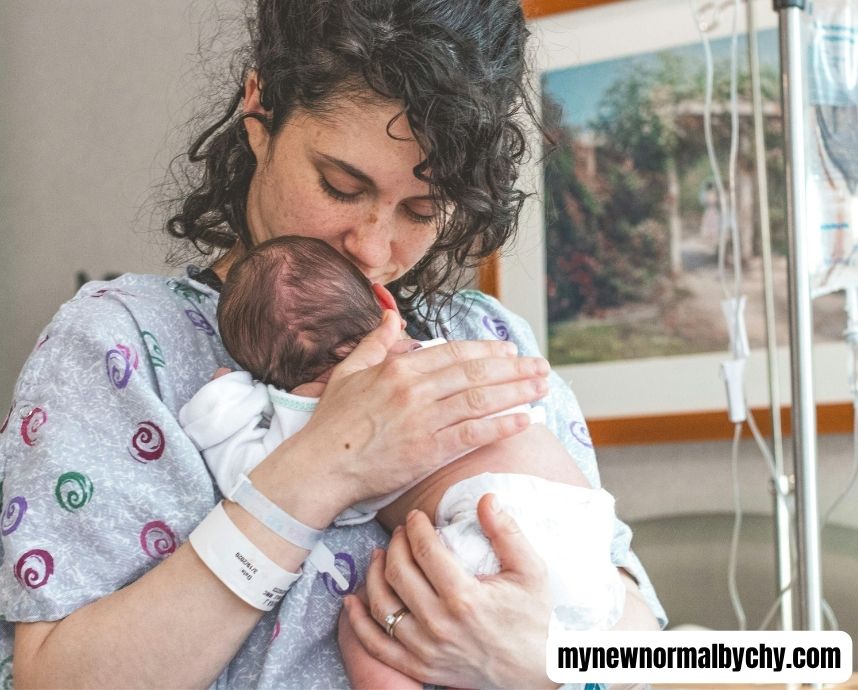
Week One Postpartum: The Most Intense Stage of Recovery
The first week is often the hardest physically.
Many mothers feel overwhelmed by the combination of healing, sleep deprivation, feeding schedules, and learning to care for a newborn.
Postpartum Bleeding (Lochia)
After giving birth, your body sheds the tissue and blood that supported your pregnancy.
This discharge is called lochia.
It typically progresses through several stages:
Days 1–4
- Bright red bleeding
- Similar to a heavy menstrual period
Days 5–10
- Pink or brown discharge
- Flow gradually decreases
Weeks 2–6
- Yellowish or white discharge
- Lighter spotting
Contact your healthcare provider if you:
- Soak a pad within an hour
- Pass clots larger than a golf ball
- Experience dizziness
- Notice a foul odor
Weeks 2–6: The Healing and Adjustment Phase
As the initial soreness begins to improve, many mothers enter a phase where physical healing continues while the reality of life with a newborn settles in.
You may feel physically better while still experiencing emotional ups and downs.
This is completely normal.
Months 2-6
- Core recovery
- Hair shedding may begin
- Return of menstrual cycle for some women
- Emotional adjustment continues
Months 6-12
- Continued strength recovery
- Improved sleep for some families
- Growing confidence in motherhood
Perineal Pain and Recovery
If you delivered vaginally, your perineum may feel sore, swollen, bruised, or tender.
Recovery may take longer if:
- You had stitches
- You experienced tearing
- An episiotomy was performed
Helpful comfort measures include:
- Ice packs
- Sitz baths
- Witch hazel pads
- A peri bottle
- Resting whenever possible
Most women notice gradual improvement during the first few weeks.
Cesarean Section Recovery
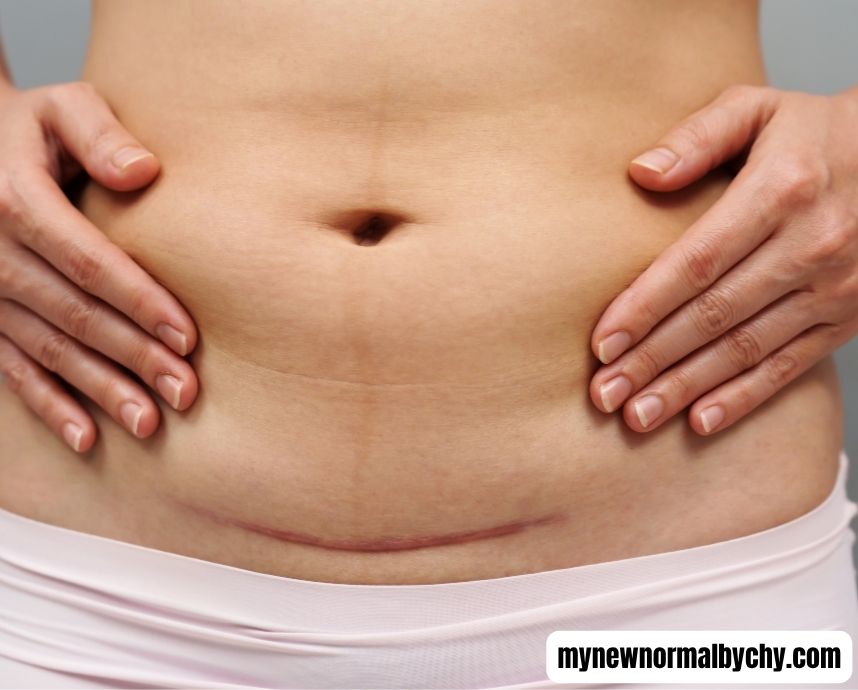
Recovering from a C-section requires additional patience because major abdominal surgery is involved.
Common experiences include:
- Incision pain
- Difficulty standing upright
- Limited mobility
- Fatigue
- Swelling
Recovery tips include:
- Walking gently each day
- Avoiding heavy lifting
- Staying hydrated
- Following medication instructions carefully
Many moms underestimate how long C-section recovery takes. Give yourself permission to heal without rushing the process.
Understanding Hormonal Changes
Immediately after birth, estrogen and progesterone levels drop dramatically.
These rapid hormonal shifts can contribute to:
- Mood swings
- Irritability
- Anxiety
- Night sweats
- Tearfulness
- Brain fog
Many moms describe feeling emotional for no obvious reason.
Hormonal adjustment takes time, and your body is working hard behind the scenes to establish a new balance.
Breastfeeding Challenges: What Most Moms Aren’t Told

Breastfeeding is often portrayed as a natural and effortless experience.
While breastfeeding is natural, it is not always easy.
Many mothers feel discouraged when nursing doesn’t go smoothly right away.
The truth is that both mother and baby are learning a completely new skill.
Common Breastfeeding Challenges
Sore Nipples
During the first few weeks, tenderness is common.
However, severe pain, cracking, or bleeding may indicate a latch issue that should be addressed.
Cluster Feeding
Many babies go through periods where they want to feed constantly.
This can make mothers feel like they aren’t producing enough milk.
In most cases, cluster feeding is normal and helps stimulate milk production.
Engorgement
As milk comes in, breasts may become swollen, firm, and uncomfortable.
Frequent feeding and gentle breast care can help relieve discomfort.
Self-Doubt
One of the biggest challenges isn’t physical—it’s emotional.
Many mothers worry:
- “Is my baby getting enough milk?”
- “Am I doing this right?”
- “Why does everyone else seem to find this easier?”
If you’re struggling, know that you’re far from alone.
Seeking help from a lactation consultant can make a tremendous difference.
Sleep Deprivation and Its Impact on Recovery

Few experiences prepare you for newborn sleep deprivation.
The challenge isn’t simply getting less sleep, it’s getting sleep in small, unpredictable chunks.
Why Sleep Matters More Than You Think
Newborn sleep patterns make uninterrupted sleep nearly impossible.
Still, sleep remains one of the most powerful recovery tools available.
Sleep affects:
- Tissue healing
- Immune function
- Mood regulation
- Milk production
- Mental health
What Sleep Deprivation Might Look Like
You may:
- Forget where you placed everyday items
- Walk into a room and forget why
- Feel emotional over minor inconveniences
- Struggle to focus during conversations
This doesn’t mean you’re failing.
It means you’re tired.
Practical Ways to Get More Rest
While “sleep when the baby sleeps” isn’t always realistic, or being able to control your baby’s sleep patterns try to prioritize rest whenever possible.
You can:
- Accept offers of help
- Share nighttime responsibilities when possible
- Let nonessential chores wait
- Nap during the day when opportunities arise
Your house does not need to be perfect during postpartum recovery.
Your healing is more important.
Nutrition for Faster Postpartum Recovery: Nourishing Your Healing Body
After childbirth, your body needs nutrients, hydration, and energy to support healing and recovery.
Unfortunately, many new moms spend so much time caring for their babies that their own nutrition becomes an afterthought.
You may find yourself:
- Skipping meals
- Eating whatever is quickest
- Forgetting to drink water
- Finishing your meals hours after they were prepared
While this is understandable, proper nutrition can make a significant difference in how you feel during postpartum recovery.
Why Nutrition Matters After Birth
Your body is working hard behind the scenes.
Depending on your circumstances, it may be:
- Healing tissues after delivery
- Replenishing blood loss
- Producing breast milk
- Balancing hormones
- Fighting fatigue
- Recovering from surgery
All of these processes require energy and nutrients.
Think of food as one of the most important recovery tools available to you.
Focus on Progress, Not Perfection
You do not need a perfect diet to recover well.
The goal is not to prepare elaborate meals or follow restrictive eating plans.
Instead, focus on simple, nourishing foods that support healing.
Small improvements can make a big difference.
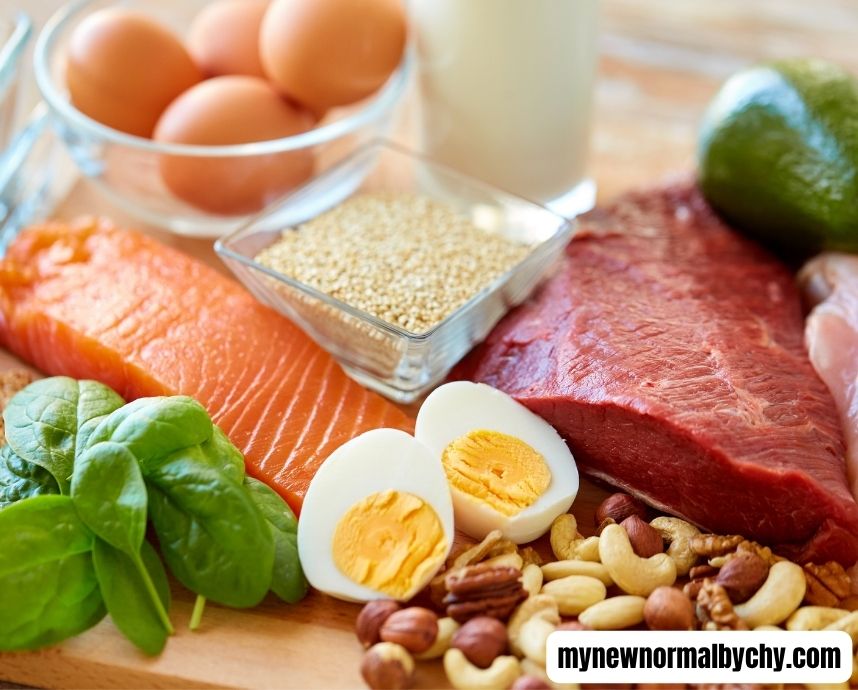
Protein: Your Recovery Superpower
Protein plays a critical role in tissue repair and muscle recovery.
It helps your body rebuild after childbirth.
Excellent sources include:
- Eggs
- Chicken
- Turkey
- Fish
- Greek yogurt
- Cottage cheese
- Beans
- Lentils
An easy goal is to include a source of protein with every meal.
For example:
Breakfast:
- Scrambled eggs and whole-grain toast
Lunch:
- Grilled chicken wrap
Dinner:
- Salmon with vegetables and rice
Iron: Rebuilding After Blood Loss
Many women lose a significant amount of blood during childbirth.
Iron helps replenish your body’s stores and supports energy production.
Good sources include:
- Lean red meat
- Lentils
- Beans
- Spinach
- Fortified cereals
Pairing iron-rich foods with vitamin C-rich foods can improve absorption.
For example:
- Spinach salad with oranges
- Lentil soup with tomatoes
Healthy Fats Support Hormones and Brain Health
Healthy fats are particularly important during the postpartum period.
They support:
- Hormone production
- Brain function
- Mood regulation
- Breast milk quality
Include foods such as:
- Avocados
- Nuts
- Seeds
- Olive oil
- Fatty fish
These foods can help you feel fuller and more energized throughout the day.
Hydration: One of the Most Overlooked Recovery Tools
Many postpartum symptoms worsen when you’re dehydrated.
Dehydration can contribute to:
- Fatigue
- Headaches
- Constipation
- Reduced milk production
A simple strategy is to keep a water bottle wherever you typically feed your baby.
Every time you nurse or bottle-feed, take several sips of water.
Small habits like this can significantly improve hydration.
Easy Postpartum Snacks for Busy Days
Some days you won’t have time to prepare full meals.
That’s okay.
Keep easy options available:
- Greek yogurt
- String cheese
- Hard-boiled eggs
- Fresh fruit
- Nuts
- Trail mix
- Whole-grain crackers
- Peanut butter
Quick snacks can help maintain energy levels throughout the day.
Don’t Forget Fiber
Constipation is common after childbirth.
Fiber can help support digestive health and make bowel movements more comfortable.
Good sources include:
- Fruits
- Vegetables
- Oats
- Beans
- Whole grains
Increasing fiber gradually and drinking plenty of water can improve digestion.
Pelvic Floor Recovery: An Often Overlooked Part of Healing
The pelvic floor consists of muscles that support your bladder, uterus, and bowel.
Pregnancy and childbirth place significant stress on these muscles.
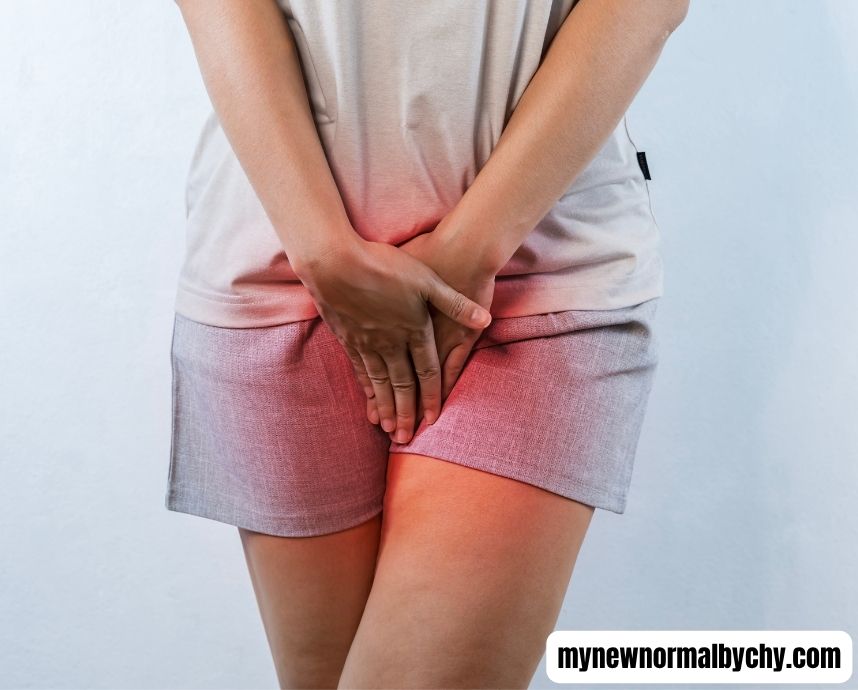
Common Symptoms of Pelvic Floor Weakness
You may notice:
- Leaking urine when you sneeze or laugh
- Pelvic pressure
- Lower back discomfort
- Difficulty controlling gas
Many women assume these symptoms are simply part of motherhood.
They are common, but they shouldn’t necessarily be accepted as permanent.
Supporting Pelvic Floor Healing
Depending on your provider’s recommendations, you may benefit from:
- Gentle pelvic floor exercises
- Walking
- Core rehabilitation
- Pelvic floor physical therapy
Seeking support early can improve recovery and quality of life.
Exercise After Birth: When Is It Safe?

Many moms feel pressure to “bounce back.”
The reality is that recovery should always come before weight loss.
During the early weeks:
Focus on:
- Walking
- Gentle stretching
- Mobility exercises
Once cleared by your healthcare provider, you can gradually return to more structured exercise.
Remember:
Your goal isn’t to get your old body back.
Your goal is to help your current body heal and become strong again.
Emotional Recovery After Childbirth: Healing Beyond the Physical
When people think about postpartum recovery, they often focus on physical healing. However, emotional recovery is just as important and, for many mothers, even more challenging.
Bringing a baby into the world changes nearly every aspect of your life. Your routines, priorities, relationships, sleep patterns, and even your sense of identity may shift almost overnight.
Many new moms expect to feel nothing but happiness after giving birth. While joy is certainly part of the experience, it’s also normal to feel overwhelmed, uncertain, frustrated, lonely, or emotionally exhausted.
The emotional recovery process deserves just as much attention and care as your physical recovery.
Why Emotional Recovery Can Be So Difficult
After childbirth, you’re adjusting to multiple changes simultaneously.
Your body is healing.
Your hormones are fluctuating.
You’re learning how to care for a newborn.
You may be getting less sleep than ever before.
At the same time, you’re adjusting to a completely new role: motherhood.
Even positive life changes can create emotional stress, and becoming a parent is one of the biggest transitions a person can experience.
The Emotional Reality of New Motherhood
Many moms are surprised by how complicated their emotions feel after giving birth.
You may feel:
- Deeply in love with your baby
- Completely exhausted
- Grateful and overwhelmed at the same time
- Confident one moment and doubtful the next
For example, you might spend hours cuddling your newborn and feeling incredibly grateful, only to find yourself crying later because you’re exhausted and haven’t had time to eat.
These conflicting emotions are incredibly common.
They do not make you ungrateful.
They make you human.
Check out: How to Boost Your Confidence As A New Mom
Mourning Your Old Routine Is Normal
One topic that isn’t discussed enough is that many mothers quietly grieve parts of their old lives.
You may miss:
- Sleeping through the night
- Spontaneous outings
- Quiet mornings
- Time with your partner
- Personal hobbies
Missing these things does not mean you love your baby any less.
It simply means you’re adjusting to a major life change.
Many women feel guilty for having these thoughts, but they are completely normal.
Identity Changes After Becoming a Mother
Before having a baby, you may have identified yourself through many different roles.
You may have been:
- A professional
- A friend
- A wife or partner
- A traveler
- A creative person
- An athlete
After birth, it’s easy to feel like every part of your identity has been replaced by motherhood.
Many women wonder:
- “Who am I now?”
- “Will I ever feel like myself again?”
- “Why do I feel so different?”
The truth is that motherhood doesn’t erase who you were before.
Instead, it adds another layer to who you are becoming.
Finding your new balance takes time.
Give Yourself Permission to Feel
One of the healthiest things you can do during postpartum recovery is allow yourself to experience your emotions without judgment.
It’s okay to:
- Feel overwhelmed
- Feel tired
- Ask for help
- Cry
- Admit that motherhood is hard
You don’t need to pretend that everything is perfect.
In fact, acknowledging your emotions often helps you process them more effectively.
Supporting Your Emotional Recovery

Simple ways to support emotional healing include:
Talk to Someone
Share your feelings with:
- Your partner
- A trusted friend
- A family member
- A therapist
Many moms discover that simply talking about their experiences brings enormous relief.
Get Outside
Fresh air and sunlight can positively affect mood and energy levels.
Even a short walk around the block can help you feel refreshed.
Lower Expectations
Your home does not need to be spotless.
You do not need to host visitors.
You do not need to “bounce back.”
Recovery is your priority.
Stay Connected
Motherhood can sometimes feel isolating.
Connecting with other moms can remind you that your experiences are shared by many women.
Understanding The Baby Blues
Many first-time moms are surprised by how emotional they feel after bringing their baby home.
One moment you may be staring lovingly at your sleeping newborn, and the next you may find yourself crying because the baby won’t latch, your coffee got cold, or you’re simply exhausted.
This emotional rollercoaster is commonly known as the baby blues, and it affects up to 80% of new mothers.
Baby blues typically occur within the first few days after birth and are largely caused by:
- Rapid hormonal changes
- Physical exhaustion
- Sleep deprivation
- The stress of caring for a newborn
- The emotional adjustment to motherhood
What Do Baby Blues Actually Feel Like?
Many mothers describe experiences such as:
- Crying unexpectedly for no clear reason
- Feeling unusually sensitive
- Becoming overwhelmed by small challenges
- Feeling happy and sad within the same hour
- Doubting whether they are doing a good job as a mother
For example, you might find yourself crying because your baby won’t settle, only to feel perfectly fine thirty minutes later.
You may look around the house and feel overwhelmed by unfinished laundry or dishes, even though you know those tasks can wait.
These emotional fluctuations are usually normal and temporary.
When Do Baby Blues Peak?
For many mothers, symptoms are strongest between days three and five after birth. This timing coincides with major hormonal shifts occurring in the body.
The good news is that baby blues usually improve significantly within two weeks.
What Helps?
Simple strategies may include:
- Resting whenever possible
- Accepting help from family and friends
- Eating regular meals
- Drinking enough water
- Talking openly about your feelings
- Taking short breaks when someone else can watch the baby
One of the most important things to remember is that experiencing baby blues does not mean you are a bad mother. It simply means your body and mind are adjusting to a major life change.
Recognizing Postpartum Depression
While baby blues are common and usually temporary, postpartum depression (PPD) is a more serious condition that requires attention and support.
One of the biggest misconceptions about postpartum depression is that mothers who experience it are constantly sad or unable to care for their babies. In reality, postpartum depression can look very different from one woman to another.
Some moms describe feeling numb rather than sad. Others feel overwhelmed by guilt, frustration, or a constant sense of inadequacy.
What Does Postpartum Depression Actually Feel Like?
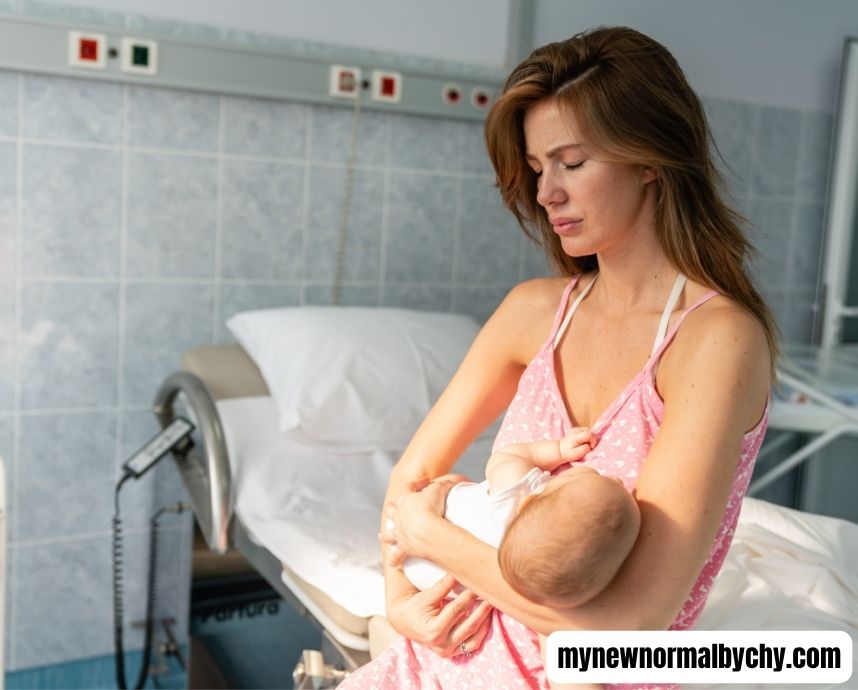
Imagine finally getting your baby to sleep after hours of feeding, rocking, and soothing, but instead of feeling relieved, you feel empty.
You may find yourself thinking:
- “I’m not a good mother.”
- “Everyone else seems to be handling motherhood better than me.”
- “My baby deserves a better mom.”
- “I should be happier than I am.”
Some women feel disconnected from their babies and worry that they aren’t bonding properly. Others love their babies deeply but feel trapped by the demands of motherhood.
Signs of Postpartum Depression
Symptoms may include:
- Persistent sadness
- Frequent crying
- Loss of interest in activities you once enjoyed
- Difficulty concentrating
- Changes in appetite
- Feelings of hopelessness
- Excessive guilt
- Difficulty bonding with your baby
Unlike baby blues, these symptoms often last longer than two weeks and may worsen without treatment.
Seeking Help Is a Sign of Strength
Postpartum depression is not caused by weakness, laziness, or a lack of love for your child.
It is a medical condition influenced by hormonal changes, sleep deprivation, emotional stress, and other factors.
The sooner you seek support, the sooner recovery can begin.
Postpartum Anxiety Is Real Too
Many mothers expect to hear about postpartum depression, but few realize that postpartum anxiety is also incredibly common.
In fact, some women experience anxiety without experiencing depression at all.
What Does Postpartum Anxiety Feel Like?
Postpartum anxiety often feels like your brain is constantly searching for potential dangers.
You may find yourself:
- Checking if your baby is breathing multiple times each night
- Worrying excessively about feeding schedules
- Feeling unable to relax even when your baby is sleeping
- Imagining worst-case scenarios
- Feeling a constant sense of dread
For example, a normal concern might be wondering if your baby is getting enough milk.
Postpartum anxiety may cause you to spend hours researching feeding problems online and still feel convinced that something is wrong despite reassurance from your pediatrician.
When Anxiety Becomes a Problem
Some anxiety is normal when caring for a newborn.
However, if worry begins interfering with your ability to sleep, function, or enjoy daily life, it may be time to speak with a healthcare provider.
Remember, your mental health matters just as much as your physical recovery.
Relationship Changes After Having a Baby

One of the least discussed aspects of postpartum recovery is how much a new baby can affect a relationship.
Even strong couples may struggle during the transition to parenthood.
Why Relationships Feel Different
Suddenly, your lives revolve around:
- Feeding schedules
- Diaper changes
- Sleep deprivation
- Household responsibilities
You may have less time and energy for each other than ever before.
Common Challenges
Many couples experience:
- Increased misunderstandings
- Frustration over unequal workloads
- Reduced intimacy
- Less quality time together
These challenges are incredibly common.
Staying Connected
Small actions often matter most:
- Express appreciation regularly
- Communicate openly
- Avoid keeping score
- Make time for brief daily check-ins
Remember that you and your partner are on the same team.
Practical Postpartum Self-Care for Real Moms
When people hear the phrase “self-care,” they often picture spa days and luxury experiences.
For most new moms, self-care looks much simpler.
What Self-Care Might Actually Look Like
It may mean:
- Taking a shower without rushing
- Eating lunch before it gets cold
- Stepping outside for fresh air
- Asking someone else to hold the baby for 20 minutes
- Taking a short walk around the neighborhood
These small acts can have a powerful impact on your mental and emotional well-being.
Give Yourself Permission to Recover
Many mothers feel pressure to:
- Keep the house spotless
- Entertain visitors
- Return to normal immediately
Recovery requires rest.
Your only priorities should be healing, feeding yourself, and caring for your baby.
Everything else can wait.
Helpful Resources for New Moms
If you’re looking for additional support during postpartum recovery, these guides may help:
- Best Postpartum Essentials for New Moms
- Postpartum Self-Care Ideas
- Comfortable Postpartum Outfits
- Healthy Postpartum Snacks
- Pool and Spa Accessories for Postpartum Recovery
- Postpartum Recovery Basket Ideas
- Effective Natural Ways to Boost Your Milk Supply
Essential Postpartum Recovery Items
Many moms find these products helpful:
Recovery Basics
- Peri bottle
- Maternity pads
- Disposable underwear
- Ice packs
- Sitz bat
Comfort Items
- Nursing bras
- Comfortable pajamas
- Water bottle
- Supportive pillow
- Cozy robe
Feeding Support
- Breast pads
- Nipple cream
- Nursing pillow
- Breast pump (if needed)
Postpartum Hair Loss: Why Is My Hair Falling Out?
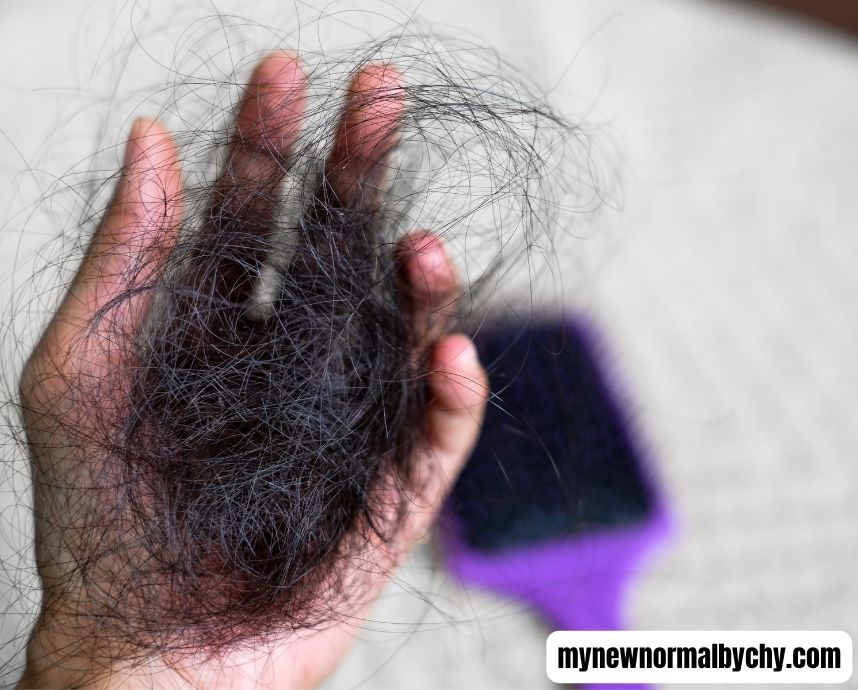
Many mothers are shocked when they begin losing large amounts of hair several months after giving birth. During pregnancy, elevated estrogen levels keep hair in the growth phase longer than usual.
After birth, hormone levels drop and much of that retained hair begins shedding. This often occurs between three and six months postpartum.
The good news is that postpartum hair loss is usually temporary, most women notice improvement within their baby’s first year.
When to Call Your Doctor
Contact your healthcare provider if you experience:
- Heavy bleeding
- Fever above 100.4°F (38°C)
- Severe pain
- Foul-smelling discharge
- Difficulty breathing
- Chest pain
- Severe headaches
- Thoughts of harming yourself or your baby
Never hesitate to seek medical attention if something feels wrong.
Frequently Asked Questions
How long does postpartum recovery take?
While many women attend a six-week postpartum appointment, complete recovery often takes several months or longer.
Is it normal to still look pregnant after birth?
Yes. Your uterus takes time to shrink, and abdominal muscles need time to recover.
When does postpartum bleeding stop?
Most women experience bleeding for four to six weeks, though the duration varies.
When can I exercise again?
Always follow your healthcare provider’s guidance, but gentle walking is often encouraged early in recovery.
Will I ever feel normal again?
Yes, but your version of normal may look different. Recovery takes time, patience, and support.
Final Thoughts
Postpartum recovery is not a race. It is a season of healing, adjustment, and transformation. Some days will feel empowering, while others may feel overwhelming.
Be patient with yourself.
Accept help when it’s offered.
Celebrate small victories.
And remember that taking care of yourself is not selfish—it is an essential part of caring for your baby.
Your body has done something extraordinary. It deserves the same love and attention you so freely give to everyone else.
Leave a Reply