This Post Will Show You Kids Bedroom Ideas That Grow With Your Child: Timeless Designs for Every Stage.
Designing your child’s bedroom is one of the most exciting parts of creating a family home. However, children grow quickly, and their needs change just as fast. What works perfectly for a toddler may no longer suit a curious school-age child or an independent teenager. Because of that, choosing kids bedroom ideas that grow with your child is one of the smartest investments you can make.
Instead of redesigning an entire room every few years, you can create a flexible space that adapts over time. A well-planned bedroom saves money, reduces clutter, and allows your child to enjoy a comfortable environment through every stage of childhood. Even better, timeless furniture and thoughtful décor help the room stay stylish without feeling outdated.
Fortunately, designing a bedroom that evolves doesn’t mean sacrificing personality. You can still create a fun, colorful, and inviting space while making practical choices that last for years. From adjustable furniture to versatile storage and classic color palettes, there are countless ways to build a room that grows alongside your little one.
In this guide, you’ll discover the best kids bedroom ideas that grow with your child, practical decorating tips, and clever design solutions that make every square foot count. Whether you’re decorating a nursery, updating a child’s room, or planning ahead for the teenage years, these ideas will help you create a bedroom that’s both beautiful and functional.
Check out our
Smart Shared Kids’ Bedroom Ideas for Small Spaces
25 Boys Bedroom Paint Ideas From Toddlers to Teen
30 Cute and Creative Kid’s Bedroom Ideas
Why Choose a Bedroom That Grows With Your Child?
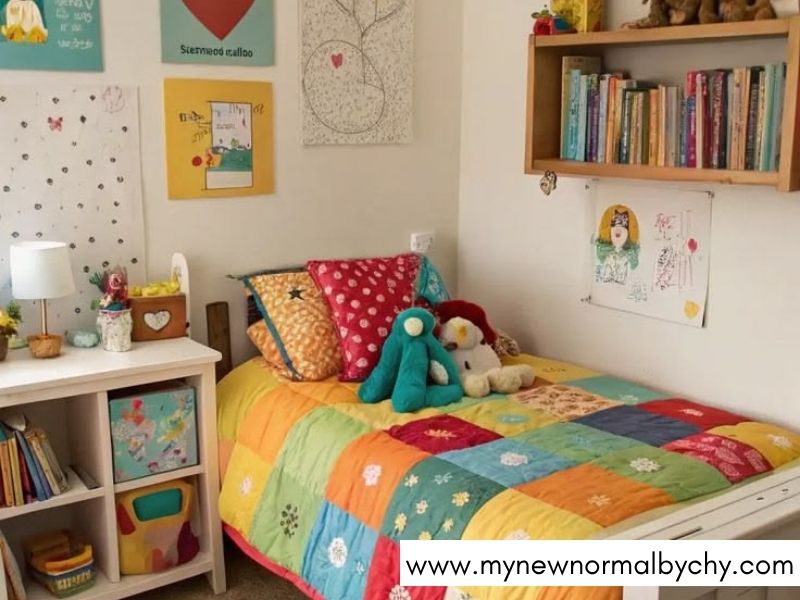
Children experience incredible changes during their early years. Their interests, hobbies, storage needs, and daily routines constantly evolve. Therefore, designing a flexible bedroom helps you avoid frequent renovations while creating a space that remains useful.
- A bedroom designed to grow with your child offers several benefits.
- Saves money by reducing the need to replace furniture regularly.
- Creates less household waste.
- Makes decorating updates easier.
- Encourages better organization.
- Gives children a comfortable space throughout different life stages.
- Allows the room to reflect changing personalities without requiring a complete makeover.
Most importantly, adaptable bedrooms provide stability. Children often enjoy having a familiar space, even as their interests change.
What Makes a Kids Bedroom ideas Future-Proof?
Before choosing furniture or paint colors, it’s helpful to understand what makes a bedroom adaptable.
A future-proof bedroom usually includes:
- Neutral wall colors
- High-quality furniture
- Adjustable storage
- Flexible lighting
- Multi-purpose furniture
- Plenty of open floor space
- Timeless decor
- Easy-to-update accessories
These elements create a solid foundation that can easily change as your child grows.
You will also like
Bedroom Decor Ideas For A Cozy & Relaxing Space
How To Mix & Match Throw Pillow Combinations For a Cozy Living Room
20 Fun Natural Table Setting Ideas To Wow Your Dinner Guests
DIY Halloween Decorations You Can Make With Kids
Simple DIY Mess-Free Halloween Decorations for The Classroom
30 Kids Bedroom Ideas That Grow With Your Child: Timeless Designs for Every Stage
1. Start With a Timeless Color Palette

One of the easiest ways to create a bedroom that lasts is by choosing timeless paint colors.
Although bright character-themed walls may seem exciting today, children often outgrow them surprisingly fast. Instead, choose neutral shades that work with different decorating styles over the years.
Excellent options include:
- Warm white
- Soft beige
- Light gray
- Sage green
- Dusty blue
- Cream
- Greige
- Pale taupe
These colors create a calming atmosphere while allowing colorful bedding, artwork, rugs, and accessories to shine.
As your child’s interests change, you can simply swap decorative items rather than repaint the entire room.
2. Invest in a Convertible Bed
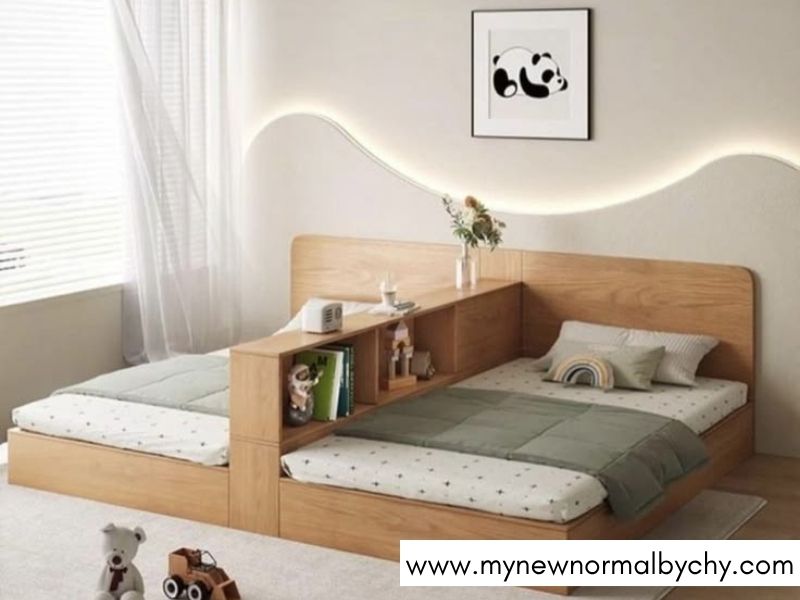
A convertible bed is one of the smartest long-term purchases for any child’s bedroom.
Many cribs transform into toddler beds and later convert into full-size beds. Likewise, extendable beds can grow longer as your child gets taller.
Although these beds may cost slightly more upfront, they often save hundreds of dollars over time.
Additionally, children appreciate sleeping in familiar furniture as they transition through different stages of life.
Look for sturdy wood construction and classic finishes that won’t go out of style.
You may also like:
Simple and Mess-Free Halloween Decorations for the Classroom
25 Easy Halloween Crafts Toddlers Can Make at Home
10 Fun Phonics Games Kids Can Play at Home
3. Choose Adjustable Storage Solutions
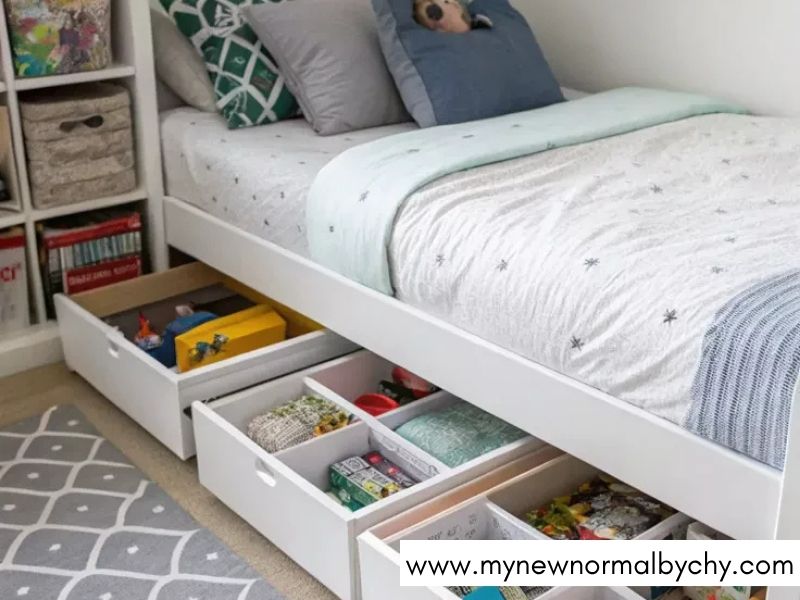
Storage needs change dramatically as children grow.
A toddler may only need baskets for stuffed animals and books. Later, school supplies, sports equipment, electronics, and hobby materials require much more organized storage.
Instead of fixed systems, choose adjustable shelving that can move higher or lower over time.
Consider combining:
- Open shelves
- Storage cubes
- Stackable bins
- Bookcases
- Drawer organizers
- Toy baskets
- Cabinets with adjustable shelves
Flexible storage keeps the room organized without requiring major updates every few years.
4. Select Multi-Functional Furniture

Every piece of furniture should serve more than one purpose whenever possible.
For example, an ottoman with hidden storage can hold toys today and blankets later.
Likewise, beds with built-in drawers provide valuable storage for clothes, bedding, or seasonal decorations.
Other excellent multi-purpose furniture includes:
- Storage benches
- Fold-out desks
- Bookshelf headboards
- Toy chests that double as seating
- Dressers with changing table toppers that can later be removed
These pieces maximize space while adapting to your child’s changing lifestyle.
5. Leave Plenty of Open Play Space

Young children spend much of their day playing on the floor.
Instead of overcrowding the room with furniture, leave generous open areas that allow movement and creativity.
A spacious layout also makes future updates easier because furniture can be rearranged without feeling cramped.
As your child grows older, that same open space can become:
- A reading corner
- A homework area
- A gaming setup
- A music practice space
- An exercise zone
- A hobby station
Designing with flexibility in mind helps the room evolve naturally over time.
6. Create a Reading Nook That Lasts
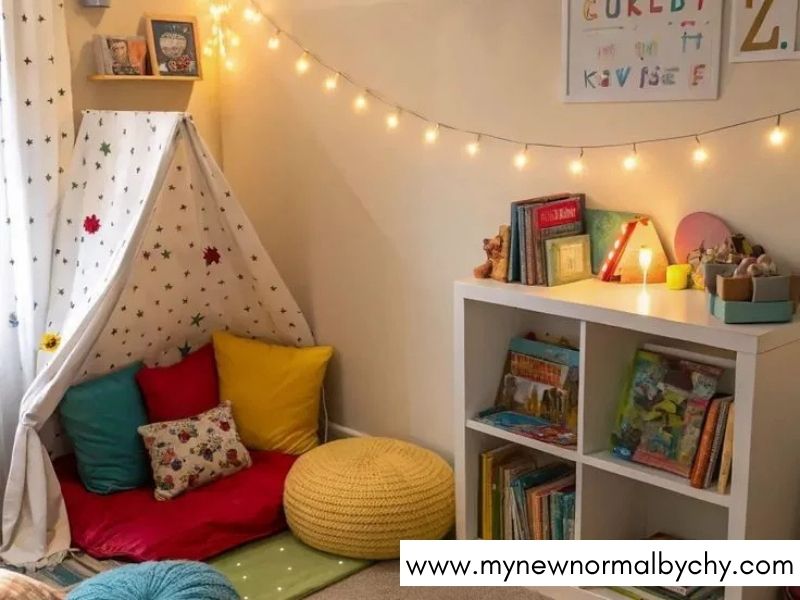
Reading never goes out of style.
Even toddlers enjoy flipping through picture books, while teenagers appreciate having a quiet corner to relax with novels or study materials.
Create a cozy reading area using:
- A comfortable chair
- Floor cushions
- Floating bookshelves
- Soft lighting
- A small side table
- A plush rug
Later, this same corner can become a study space with minimal changes.
A dedicated reading nook also encourages healthy learning habits from an early age.
7. Use Wall Decor That’s Easy to Replace

Children’s interests can change almost overnight.
Instead of painting permanent murals or installing expensive themed wallpaper, decorate with removable artwork.
Ideas include:
- Framed prints
- Peel-and-stick wall decals
- Canvas artwork
- Family photographs
- Inspirational quotes
- Gallery walls
- Wooden name signs
These decorative pieces are simple to replace whenever your child’s personality evolves.
As a result, the room always feels fresh without requiring a complete redesign.
Check out our
40 Family Halloween Costume Ideas
25 Halloween Office Party Food Ideas
45 Cute Halloween Nails You’ll Want to Copy This Spooky Season
50 DIY Halloween Porch Decorations to Make Your Home Spooktacular
8. Install Adjustable Closet Systems

Closets often become cluttered because they aren’t designed to grow with children.
Fortunately, adjustable closet organizers solve this problem.
Choose systems that include:
- Movable shelves
- Adjustable hanging rods
- Shoe storage
- Pull-out baskets
- Accessory organizers
Lower rods make clothing accessible for younger children. Later, they can be raised to accommodate longer garments during the teenage years.
This simple upgrade keeps closets functional for many years.
9. Add a Desk That Can Grow Too
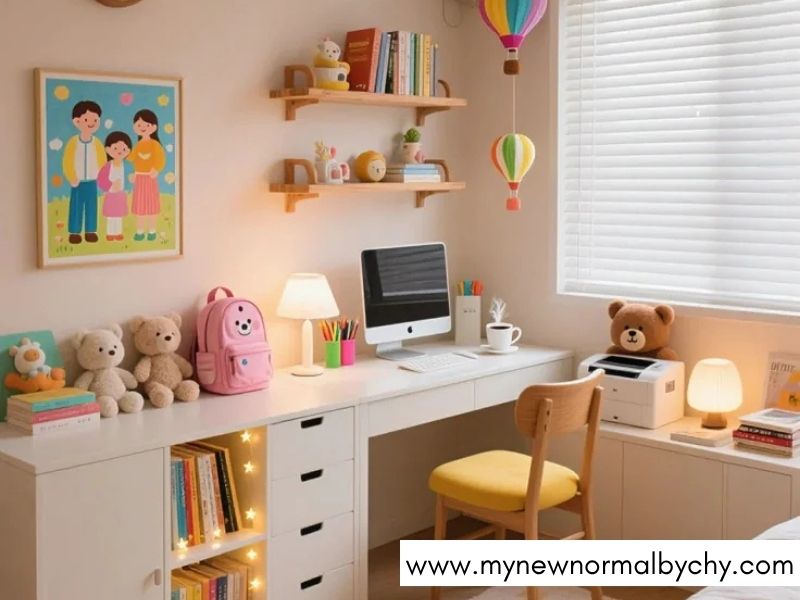
A desk becomes essential much sooner than many parents expect.
Instead of waiting until elementary school, consider adding a small desk early on.
Many adjustable desks feature:
- Height-adjustable legs
- Expandable work surfaces
- Built-in storage
- Cable management
- Modular shelving
Initially, the desk can serve as a coloring station. Later, it transforms into a homework area, craft station, or computer workspace.
Choosing an adjustable design ensures years of practical use.
10. Decorate With Layered Lighting for Kids Bedroom Ideas
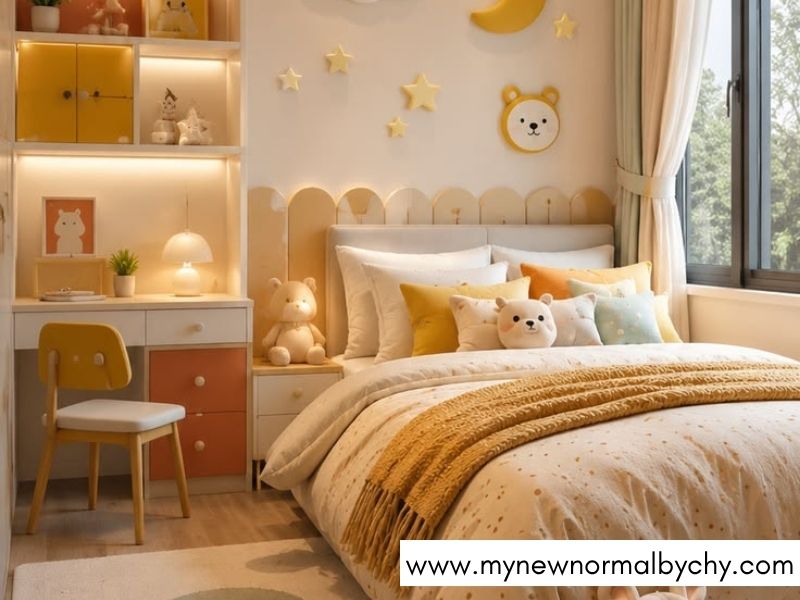
Lighting needs change as children grow.
Toddlers benefit from soft nightlights, while older children require brighter lighting for homework and hobbies.
Layer different lighting options throughout the room, such as:
- Ceiling lights
- Table lamps
- Reading lamps
- Wall sconces
- Nightlights
- String lights for decorative ambiance
Using multiple light sources allows the bedroom to remain functional throughout every stage of childhood.
Moreover, layered lighting makes the room feel warm, welcoming, and comfortable regardless of age.
Kids Bedroom Ideas That Grow With Your Child
11. Choose a Wardrobe That Offers Room to Grow

A child’s clothing collection changes significantly over the years. Tiny baby clothes soon give way to school uniforms, everyday outfits, sportswear, jackets, and eventually teenage fashion. For this reason, investing in a spacious wardrobe is one of the most practical kids bedroom ideas that grow with your child.
Instead of buying a small wardrobe that will become too cramped within a few years, look for a design with adjustable shelves, removable hanging rails, and deep drawers. These features allow you to customize the interior as your child’s storage needs evolve.
For younger children, use lower shelves to keep clothes within easy reach. This arrangement encourages independence because little ones can learn to choose and put away their own outfits. As they grow taller, simply rearrange the shelves and rods to create more hanging space for longer clothing.
Additionally, consider adding storage boxes on the top shelf for seasonal clothing, extra bedding, or keepsakes. This keeps the wardrobe organized while maximizing every inch of available space.
A timeless wardrobe in white, natural wood, or another neutral finish will also blend beautifully with changing décor styles, making it a smart long-term investment.
12. Make Storage Part of the Kids Bedroom Ideas Designs
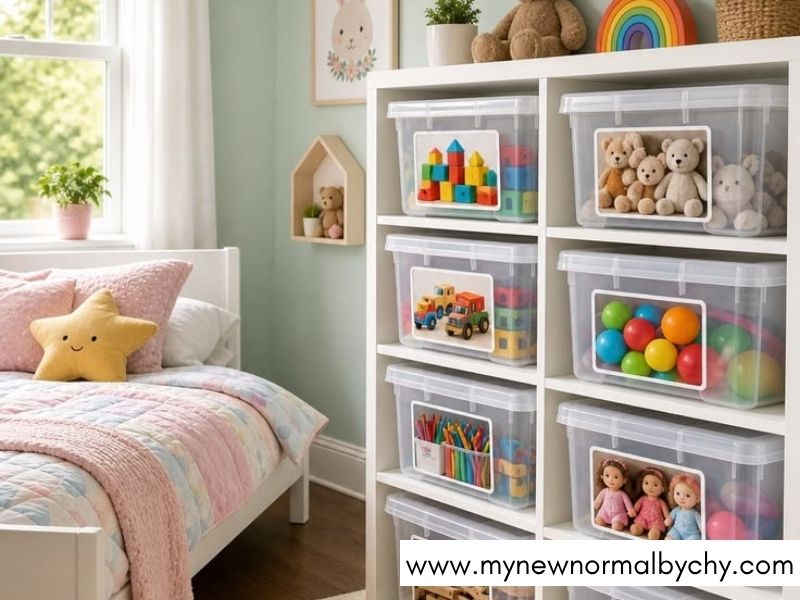
One common mistake in children’s bedrooms is treating storage as an afterthought. Instead, make it an intentional part of the room from the very beginning.
Built-in storage not only keeps the bedroom tidy but also makes daily routines much easier. Rather than stuffing toys into random corners, designate specific spaces for different belongings.
For example, place woven baskets beneath open shelves for stuffed animals and dolls. Add decorative bins under the bed for puzzles and board games. Install floating shelves for favorite books and treasured keepsakes. These solutions help everything have a proper home.
As your child gets older, the same storage spaces can be repurposed for textbooks, art supplies, gaming accessories, sports equipment, or electronic devices.
Labeling baskets and containers can also encourage children to clean up independently. Even preschoolers enjoy matching toys to labeled bins, while older children appreciate having an organized system that makes finding things easier.
An organized bedroom creates a calmer environment, reduces stress, and helps children develop lifelong organizational habits.
13. Design a Feature Wall That Can Easily Change
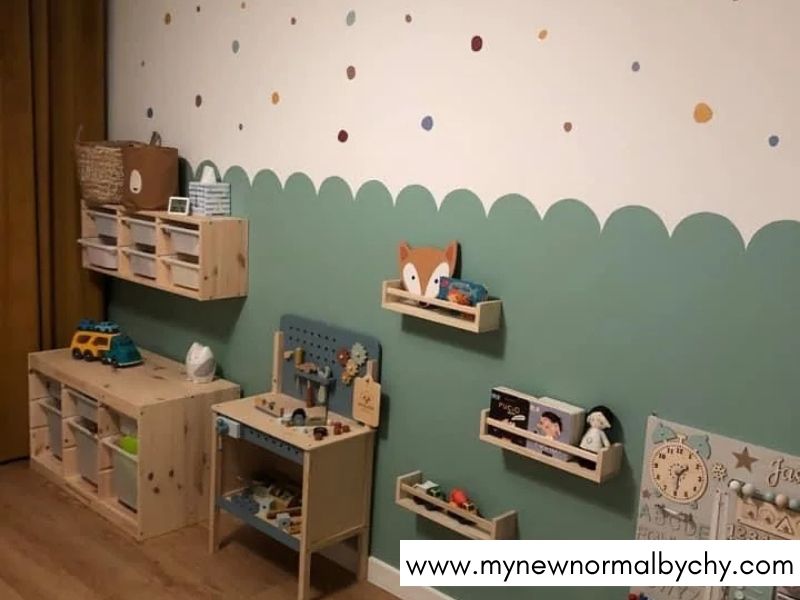
Feature walls add personality to a bedroom without overwhelming the entire space. Better yet, they can be updated as your child’s interests change.
Instead of choosing permanent murals or heavily themed wallpaper, think about flexible design options that are easy to refresh.
For instance, a painted accent wall in sage green, dusty blue, blush pink, or warm terracotta provides a timeless backdrop. You can then decorate it with framed prints, removable wall decals, shelves, or artwork that reflects your child’s current interests.
Another creative idea is installing a pegboard wall. This versatile feature allows children to display crafts, trophies, photos, or school achievements. As they grow older, they can rearrange the display to match their evolving personality.
Similarly, a gallery wall filled with interchangeable frames allows you to swap artwork whenever needed. Children’s drawings can gradually be replaced with inspirational quotes, photography, travel memories, or abstract prints.
This approach keeps the room feeling fresh without requiring major renovations every few years.
14. Create a Homework Station That Evolves Over Time
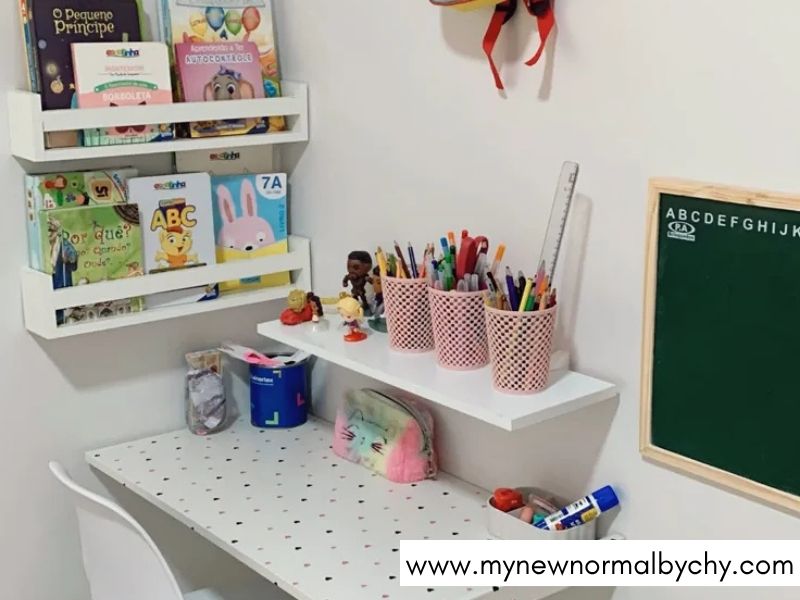
Learning becomes an increasingly important part of childhood. Therefore, creating a dedicated homework area early on can benefit your child for many years.
At first, this space may simply include a small table where your toddler enjoys coloring or assembling puzzles. As school begins, the same area can transform into a productive study zone.
Choose a sturdy desk with enough surface area for books, notebooks, and eventually a laptop or desktop computer. Pair it with an ergonomic chair that offers proper back support and, ideally, adjustable height.
Above the desk, install floating shelves to hold books, stationery, and educational materials. A corkboard or magnetic board is another excellent addition, providing space for schedules, artwork, reminders, and certificates.
Good lighting is equally important. Position the desk near a window whenever possible to maximize natural light during the day. Then add an adjustable desk lamp for evening homework sessions.
As your child enters high school, this workspace will continue supporting their academic success without needing significant changes.
15. Incorporate Furniture With Hidden Storage
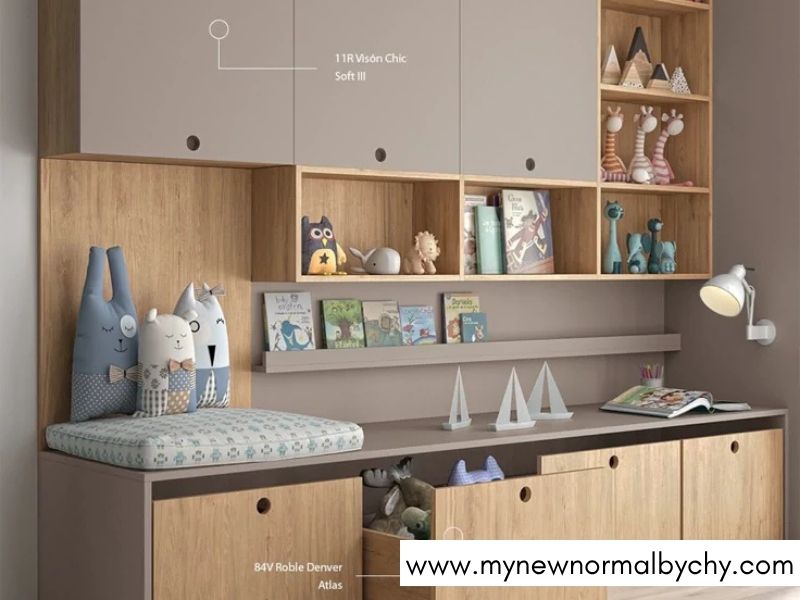
When decorating a child’s room, every piece of furniture should work as hard as possible. Furniture with hidden storage is especially valuable because it keeps the room organized while minimizing visual clutter.
For example, an upholstered storage bench placed beneath a window offers comfortable seating while concealing blankets, toys, or seasonal clothing.
Similarly, an ottoman with a lift-up lid can store books, craft supplies, or board games. Beds with built-in drawers eliminate the need for extra storage furniture, making smaller bedrooms feel much more spacious.
Even bedside tables with shelves or drawers provide additional storage for bedtime books, flashlights, chargers, or journals.
These practical solutions help maintain a clean and inviting bedroom throughout every stage of childhood.
Furthermore, hidden storage teaches children that organization doesn’t have to be difficult. Everything has its place, making cleanup quicker and less stressful.
16. Add Open Shelving for Changing Interests in Kids Bedroom Ideas
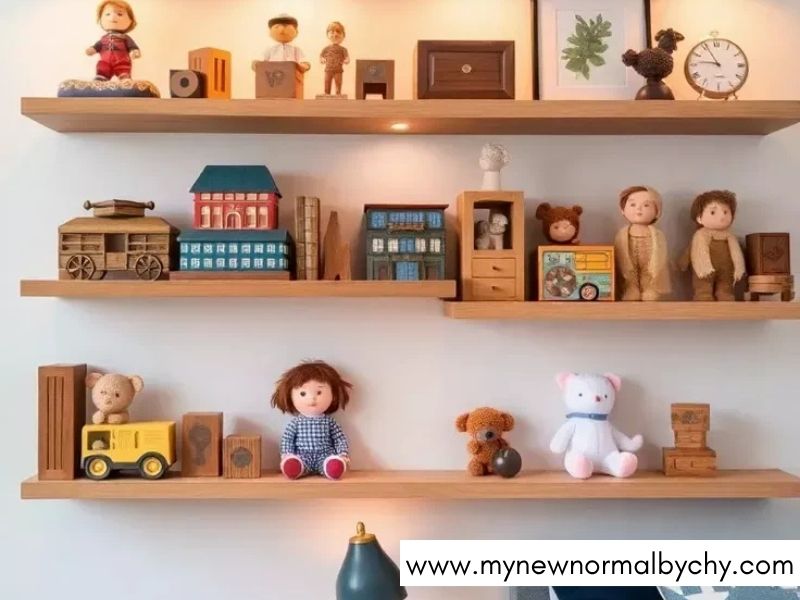
Children’s hobbies often change from year to year. One month they may love dinosaurs, while the next they are fascinated by space, art, or music.
Open shelving makes it incredibly easy to showcase these changing interests.
Install sturdy floating shelves or cube shelving units where favorite items can be displayed. Younger children might proudly arrange stuffed animals, toy cars, or picture books. Later, these same shelves can hold chapter books, science projects, collectibles, awards, plants, or framed photographs.
Rotating displayed items keeps the room feeling exciting without requiring expensive decorating updates.
Open shelving also gives children an opportunity to express their personalities. As they mature, they can style their own shelves, helping them develop creativity and confidence in making design choices.
To maintain a tidy appearance, avoid overcrowding the shelves. Leaving some empty space allows decorative items to stand out while making the room feel more open and organized.
17. Invest in High-Quality Furniture That Lasts
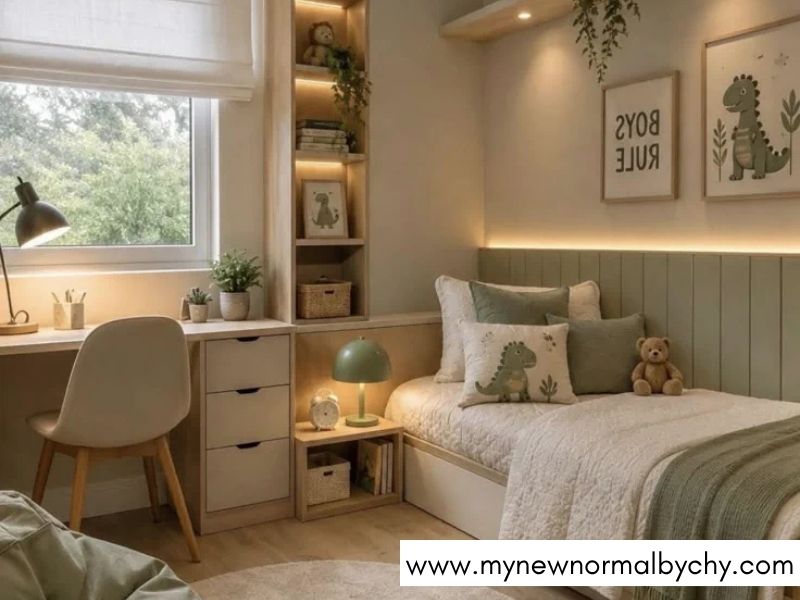
Although budget-friendly furniture may seem appealing initially, it often requires replacement much sooner. Choosing high-quality furniture can actually save money over time.
Look for pieces made from durable solid wood or other sturdy materials that can withstand years of daily use. Well-constructed furniture not only lasts longer but also remains safer as active children climb, jump, and play.
Classic furniture designs are another wise choice. Clean lines and neutral finishes remain stylish regardless of changing trends, allowing you to refresh the room simply by updating bedding, rugs, curtains, or decorative accessories.
For example, a simple white dresser purchased for a toddler’s room can still look beautiful in a teenager’s bedroom years later.
Likewise, a solid wood bookshelf may continue serving your family well into adulthood.
While quality furniture often requires a larger initial investment, its durability makes it one of the smartest decisions when creating a bedroom that truly grows with your child.
18. Keep the Layout Flexible
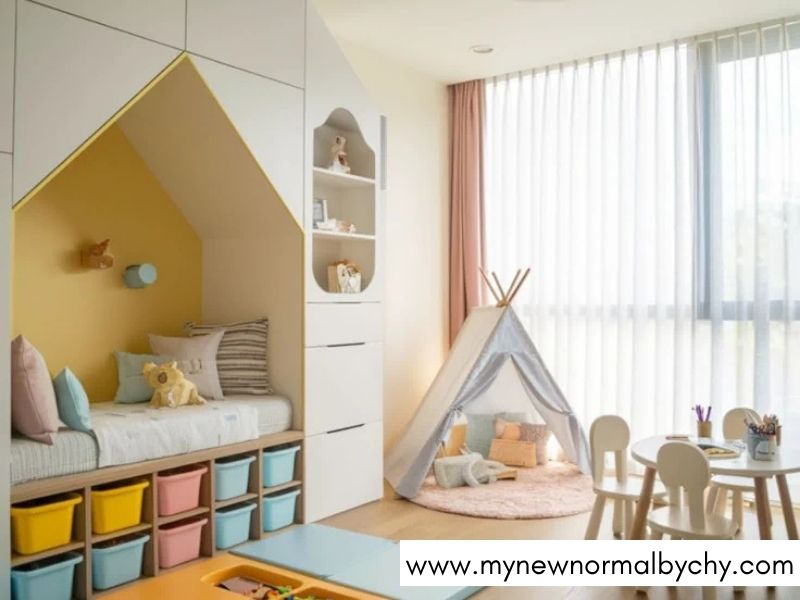
An adaptable room layout is just as important as adaptable furniture.
Avoid placing large furniture pieces in ways that limit future rearrangements. Instead, leave enough open space so the room can easily change as your child’s needs evolve.
For example, today’s play corner may eventually become a reading nook or study area. A small craft table could later be replaced with a larger desk, while extra toy storage might transform into bookshelves or hobby cabinets.
Whenever possible, position the bed against the longest wall to maximize usable floor space. Leave clear walking paths throughout the room, making it safer for younger children and more comfortable for older ones.
Flexible layouts also simplify seasonal decorating and deep cleaning. As a result, the room remains functional, inviting, and easy to maintain year after year.
19. Personalize the Room With Accessories Instead of Permanent Decor
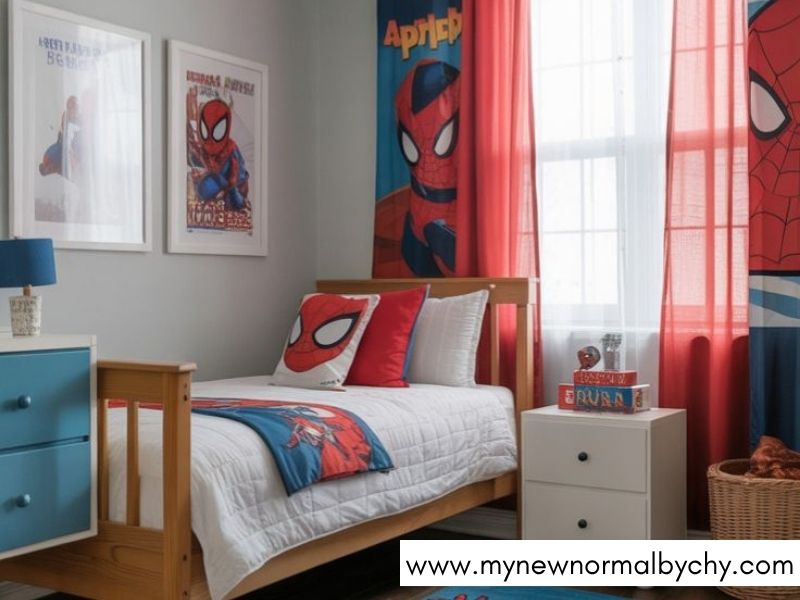
One of the easiest ways to create kids bedroom ideas that grow with your child is to keep the foundation of the room timeless while allowing the accessories to reflect your child’s current interests. Since children’s favorite colors, hobbies, and characters often change, it makes sense to update the smaller decorative pieces instead of redesigning the entire room.
For example, keep the walls neutral and choose classic furniture in white, natural wood, or light gray. Then introduce personality through bedding, throw pillows, rugs, wall art, lamps, and curtains. These items are relatively affordable to replace whenever your child develops new interests.
A preschooler may adore dinosaurs, princesses, or jungle animals. A few years later, they might prefer outer space, sports, music, or minimalist décor. Because the larger furniture pieces remain the same, changing the room becomes much easier and far less expensive.
You can also create seasonal updates by switching cushion covers, adding colorful blankets, or displaying framed artwork your child creates at school. This keeps the bedroom feeling fresh while encouraging creativity.
Additionally, involving your child in choosing accessories helps them feel proud of their personal space. Even small decorating decisions can make the room feel uniquely theirs without committing to permanent design choices.
20. Create a Display Area for Achievements and Memories
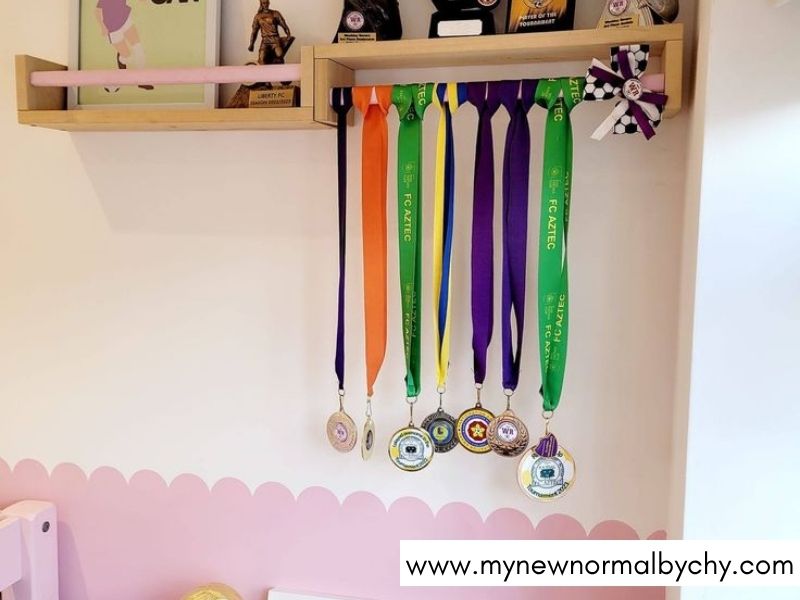
A bedroom should celebrate your child’s growth in more ways than one. Setting aside a dedicated display area allows them to proudly showcase their accomplishments as they grow.
Consider installing a corkboard, magnetic board, pegboard, or picture ledges where certificates, artwork, medals, trophies, and photographs can be displayed.
For younger children, the display may feature finger paintings, family photos, and favorite drawings. As they enter elementary school, school awards, sports ribbons, and creative projects can take center stage. Teenagers may use the same space for inspirational quotes, travel photos, graduation pictures, or vision boards.
Rotating the display every few months keeps the room looking neat while giving children something to look forward to. More importantly, celebrating their achievements helps build confidence and reminds them of how much they have accomplished over the years.
This simple feature transforms the bedroom into a place that tells your child’s unique story.
Kids Bedroom Ideas That Grow With Your Child
21. Include a Comfortable Seating Area
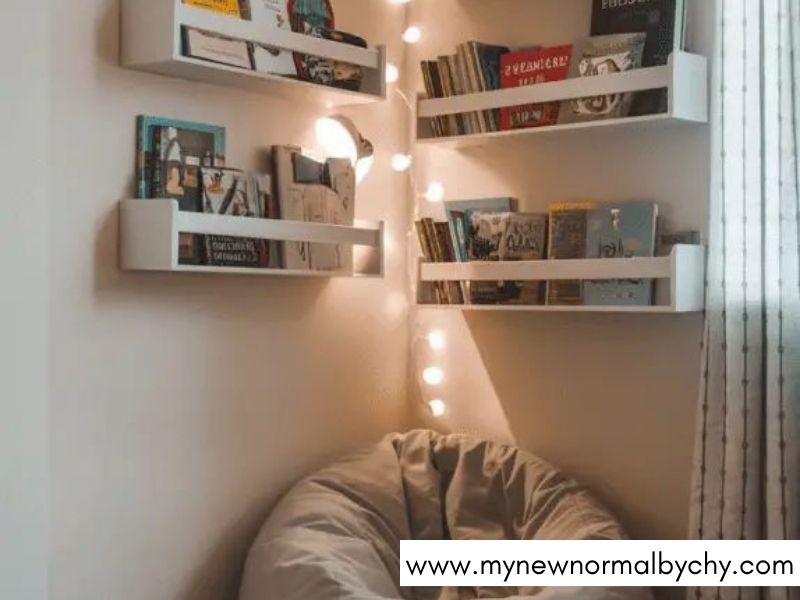
As children grow older, they often spend more time relaxing, reading, chatting with friends, or enjoying hobbies in their bedrooms. Adding a comfortable seating area ensures the room continues meeting those changing needs.
A bean bag chair works wonderfully for younger children because it is lightweight, soft, and easy to move around. As your child matures, consider replacing it with an upholstered accent chair, a small loveseat, or a cushioned window seat.
If space is limited, floor cushions or oversized poufs offer flexible seating without taking up much room.
A cozy seating area can become the perfect place for bedtime stories, independent reading, journaling, or simply relaxing after a busy school day. It also gives visiting friends a comfortable place to sit without everyone gathering on the bed.
Choose durable, washable fabrics that can handle everyday use. Neutral upholstery paired with colorful cushions makes it easy to refresh the look whenever you redecorate.
22. Design a Shared Bedroom With Flexibility in Mind
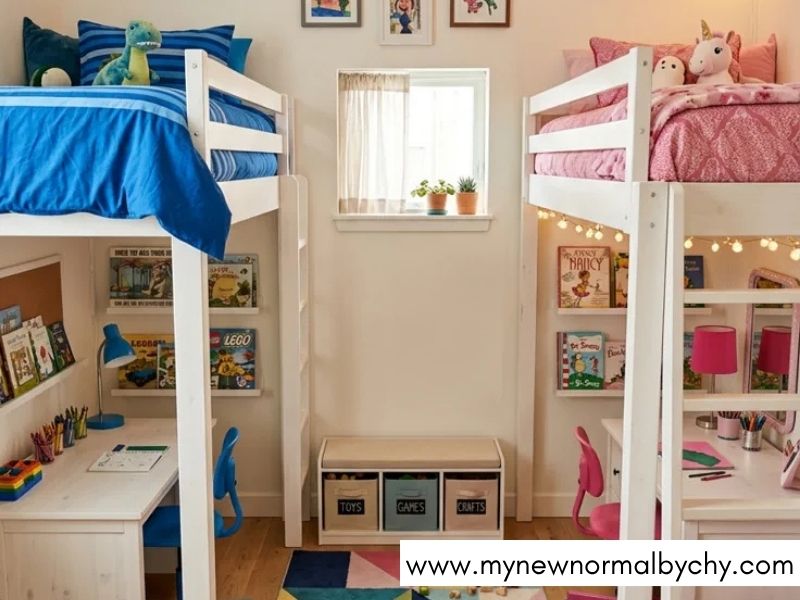
Many families have children sharing a bedroom, especially during the early years. A thoughtfully designed shared room can continue working beautifully as both children grow.
Start by giving each child their own clearly defined personal space. Matching beds create visual balance, while individual bedside tables, shelves, and storage bins provide a sense of ownership.
If the room is small, bunk beds or loft beds can free up valuable floor space for studying and playing. However, choose designs that can later be separated into two individual beds if needed.
Use color and décor to create unity without making the room feel identical. For instance, keep the overall color palette consistent while allowing each child to choose their own bedding or artwork.
Flexible furniture, movable storage, and adjustable shelving help the shared bedroom adapt as siblings develop different interests and routines.
Planning ahead makes it easier to avoid major redesigns later on.
23. Add Plants for a Fresh and Relaxing Atmosphere
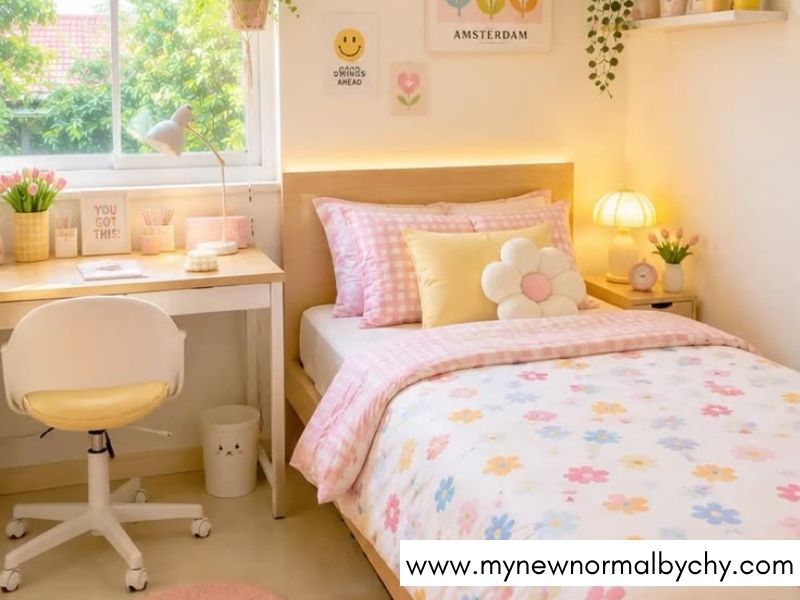
Houseplants aren’t just beautiful, they also make a child’s bedroom feel calm, welcoming, and connected to nature.
Choose easy-care, child-friendly plants that thrive indoors. Place them on high shelves, window sills, or dressers where they receive enough natural light.
As children grow older, caring for plants teaches responsibility and encourages appreciation for nature. Watering, dusting leaves, and observing growth can become enjoyable weekly routines.
If maintaining real plants isn’t practical, high-quality artificial greenery can still soften the room and add visual interest.
Plants also pair well with almost any decorating style, making them a timeless addition that continues looking beautiful regardless of your child’s age or changing preferences.
24. Make the Bedroom Easy to Update on a Budget
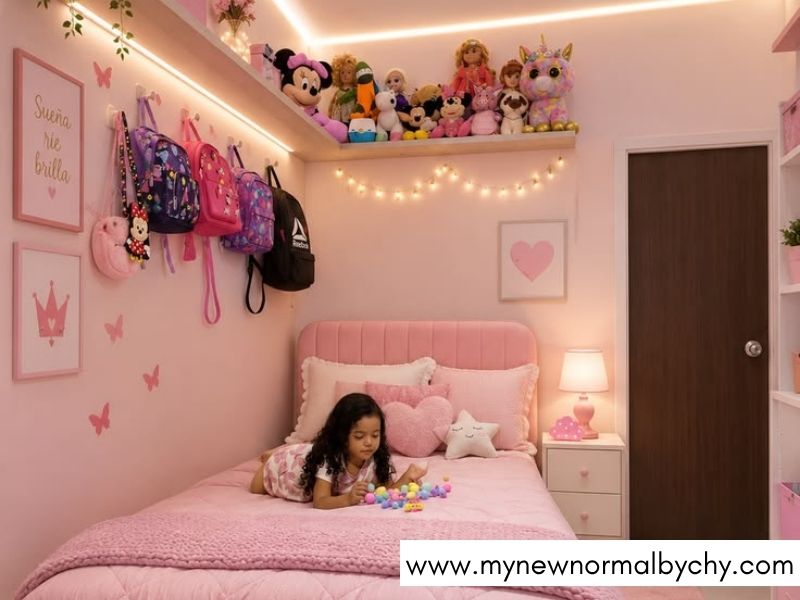
Creating a room that grows with your child doesn’t mean spending a fortune every few years. In fact, one of the biggest advantages of thoughtful design is how affordable future updates become.
Instead of replacing expensive furniture, focus on changing budget-friendly decorative elements whenever the room needs a fresh look.
Simple updates include:
- Replacing bedding with new colors or patterns.
- Adding fresh throw pillows.
- Hanging new artwork.
- Swapping curtains.
- Updating lampshades.
- Changing drawer handles.
- Introducing a new rug.
- Rearranging furniture.
- Painting a single accent wall.
- Displaying new photographs.
These small improvements can dramatically transform the appearance of the room while keeping costs manageable.
Parents often discover that refreshing accessories every few years satisfies their child’s changing tastes without requiring a complete renovation.
By planning ahead, you create a bedroom that remains beautiful, practical, and age-appropriate from toddlerhood through the teenage years.
25. Create a Hobby Corner That Can Change Over Time
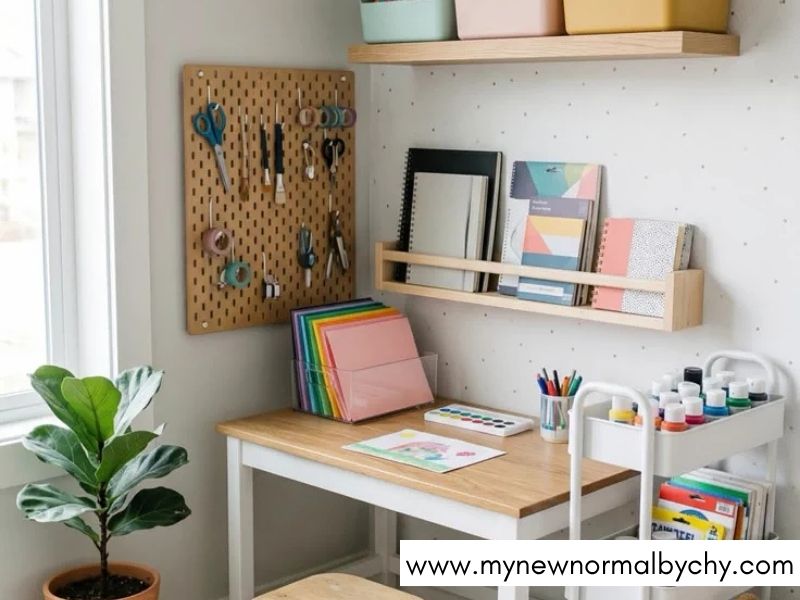
Every child develops unique interests as they grow. One year they may spend hours building with blocks, while the next they may be painting, playing an instrument, sewing, coding, or practicing photography. Instead of designing the entire bedroom around one hobby, dedicate a flexible corner that can easily evolve.
Start with a simple table, a comfortable chair, and a few shelves. This setup can serve as a craft station for a young child. Later, it can become a LEGO building area, an art studio, a sewing space, or even a computer desk for learning and creative projects.
Keep supplies organized using labeled bins, stackable containers, and drawer organizers. Open shelving makes it easy for children to access what they need while encouraging them to clean up afterward.
As interests change, the furniture can stay in place while the supplies are updated. This simple approach keeps the room functional without requiring expensive redesigns.
Creating a dedicated hobby area also encourages children to explore their creativity and discover new passions in a space that feels entirely their own.
26. Use Durable Materials That Stand the Test of Time
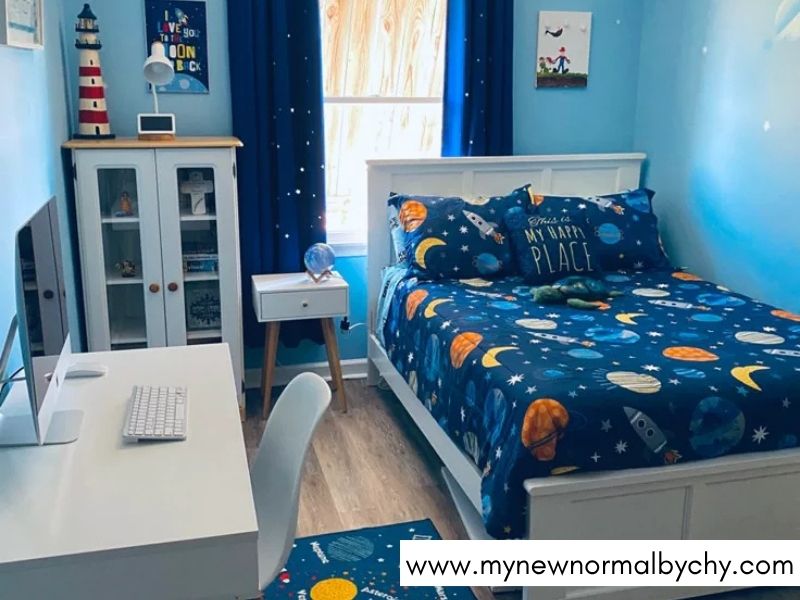
Children’s bedrooms experience plenty of daily activity. From energetic playtime and homework sessions to sleepovers and creative projects, furniture and finishes should be able to withstand years of use.
When selecting materials, prioritize durability over trends.
For example, choose hardwood or high-quality laminate flooring instead of delicate carpeting that stains easily. If you prefer a softer surface, place a washable area rug over the floor. This provides comfort while making cleaning much simpler.
Likewise, opt for washable paint finishes on the walls. Scuff marks, fingerprints, and crayon drawings are much easier to remove from washable paint than from flat finishes.
Furniture made from solid wood or durable engineered wood typically lasts much longer than inexpensive particleboard pieces. Strong drawer slides, sturdy hinges, and quality hardware also help furniture remain functional for years.
Investing in durable materials may cost more initially, but it often saves money by reducing repairs and replacements.
27. Keep Technology in Mind Without Letting It Take Over
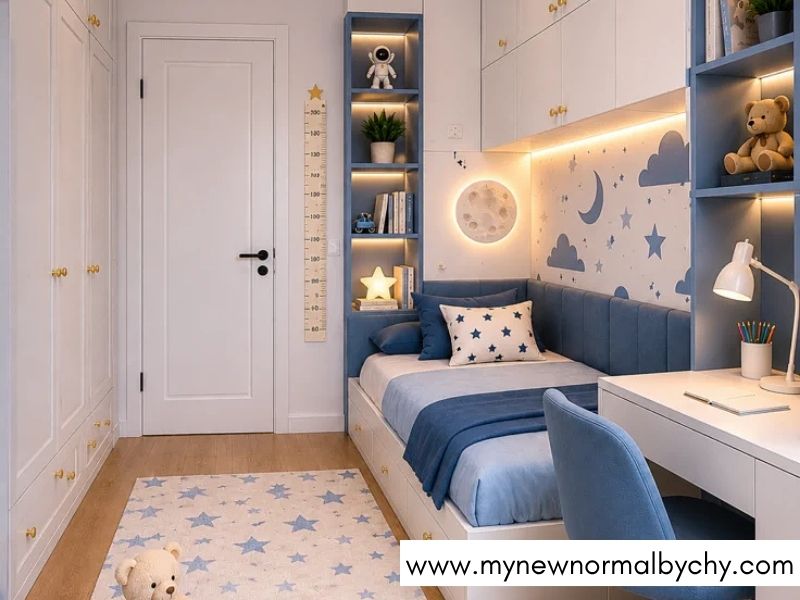
Technology becomes a bigger part of children’s lives as they grow. While toddlers may not need electronic devices in their bedrooms, older children and teenagers often require space for laptops, tablets, printers, or gaming consoles.
Planning for these future needs helps avoid clutter later.
Include a desk with enough room for a computer and homework supplies. Install a few extra electrical outlets or use cable management solutions to keep cords organized and out of sight.
Charging stations inside drawers or on floating shelves can prevent tangled cables from taking over the room.
At the same time, try not to let technology dominate the space. Balance screen time by keeping room for books, creative hobbies, board games, and comfortable seating areas.
A well-balanced bedroom supports both learning and relaxation while remaining adaptable as technology continues to evolve.
28. Let Your Child Participate in the Design Process
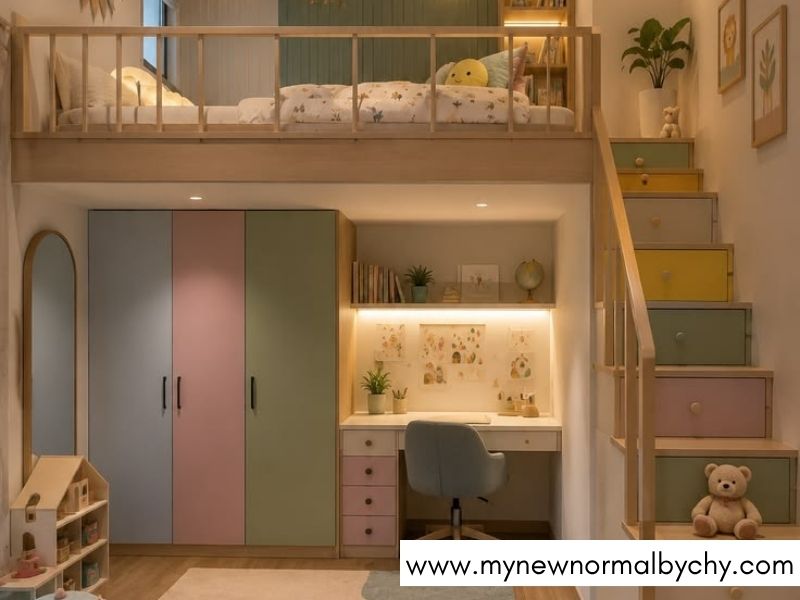
One of the most meaningful kids bedroom ideas that grow with your child is allowing your child to help make age-appropriate design decisions.
Young children might choose the color of their bedding or pick out fun storage baskets. Older children may enjoy selecting artwork, desk accessories, curtains, or decorative pillows.
Giving children a voice in the decorating process helps them feel connected to their bedroom. It also encourages responsibility because they are more likely to care for a space they helped create.
Of course, parents should guide the larger design decisions to ensure the room remains practical and timeless. Choosing neutral furniture while allowing colorful accessories strikes the perfect balance between flexibility and self-expression.
As children mature, they can continue personalizing the room in ways that reflect their growing personalities without requiring a complete makeover.
29. Design With Safety at Every Stage
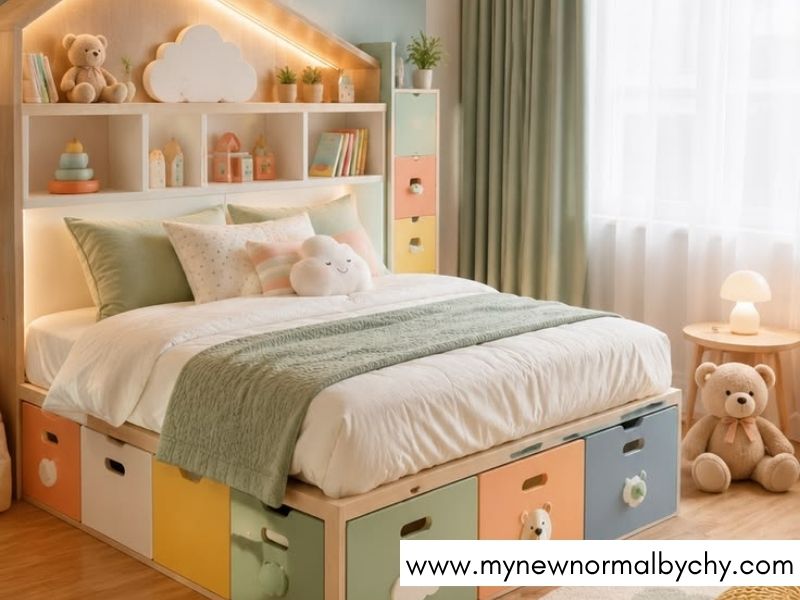
Although style is important, safety should always come first when planning a child’s bedroom.
For babies and toddlers, anchor heavy furniture securely to the wall to prevent tipping. Cover electrical outlets, use cordless window treatments, and keep small decorative objects out of reach.
As children grow older, regularly evaluate whether the room still meets their needs. Check that bunk beds have sturdy guardrails, furniture remains stable, and lighting provides enough visibility for homework and nighttime routines.
Rounded furniture edges, non-slip rugs, and good ventilation contribute to a safer environment for children of all ages.
Thinking ahead about safety means the room can adapt confidently while giving parents greater peace of mind.
30. Focus on Creating Memories, Not Perfection
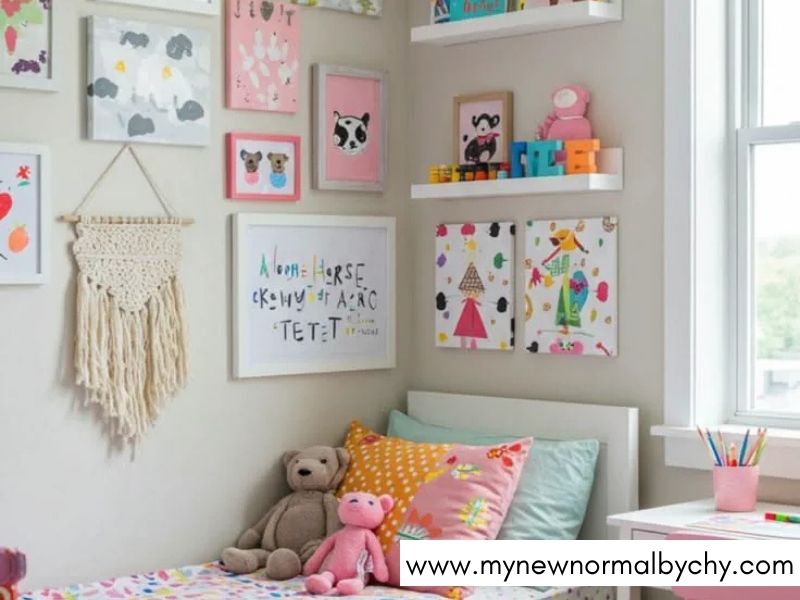
At the end of the day, the best children’s bedrooms are not the ones that look exactly like magazine photos or social media posts. Instead, they are rooms filled with laughter, imagination, learning, and cherished family memories.
Your child’s bedroom will likely witness bedtime stories, birthday mornings, pillow forts, homework sessions, movie nights, and countless conversations. Those experiences matter far more than following every decorating trend.
Choose practical furniture that lasts, add meaningful personal touches, and create a warm environment where your child feels safe, comfortable, and loved.
As the years pass, the room will naturally evolve alongside your child. The shelves may hold chapter books instead of picture books. Toys may give way to trophies, laptops, or favorite novels. Yet the foundation of the room, a thoughtfully designed space that supports every stage of childhood—will remain the same.
By focusing on flexibility, durability, and timeless style, you’ll create a bedroom that continues to meet your child’s needs for many years while saving both time and money.
Conclusion
Creating a kids bedroom ideas that grows with your child is one of the smartest ways to combine style, functionality, and long-term value. Instead of chasing short-lived trends or redesigning the room every few years, focus on timeless furniture, flexible storage, and a neutral foundation that can adapt to changing needs.
The best kids bedroom ideas that grow with your child are those that evolve naturally through every stage of childhood. From a cozy nursery and a playful toddler room to a productive study space and a stylish teenage retreat, thoughtful planning makes every transition easier.
Remember, your child’s bedroom is more than just a place to sleep. It’s where they learn, imagine, read, create, relax, and make lifelong memories. By choosing adaptable furniture, incorporating smart storage, and allowing room for personalization, you can design a space that remains both practical and inviting for years to come.
Most importantly, don’t strive for perfection. Focus on creating a bedroom that reflects your family’s lifestyle and supports your child’s growth. A well-designed room doesn’t have to be expensive or complicated, it simply needs to be flexible, comfortable, and filled with love.
Whether you’re starting from scratch or updating an existing space, these ideas will help you create a bedroom that your child will enjoy today and continue to appreciate as they grow into tomorrow.
Leave a Reply