Before kids fall in love with books, they first need to fall in love with sounds.
Phonics is where that love begins, it’s the bridge between babbling and fluent reading, between guessing words and truly understanding them.
I suppose I am not the only who notices the excitement of a child when they finally sound out a word on their own. It’s like pure magic, their eyes light up as if they’ve just solved a grand mystery.
The secret to this excitement isn’t in the drills, flashcards, and monotone repetition, it’s found in a world of colour, creativity and laughter.
In other words, whatever makes a child happy and creative should be best woven into their learning. So, even if you are a teacher who is planning literacy centres, a parent homeschooling your little learner, or just someone who wants to nurture a love for reading, you’d certainly want to turn phonics into a playground of learning and hands-on adventure with this guide.
Why Does Phonics Matters in Early Reading?
Can you imagine sending off a child on a journey without a roadmap? Phonics is more than just teaching kids to match letters with sounds, it’s teaching them how to decode the world of words.
In simple terms, phonics helps children connect the sounds they hear (phonemes) with the letters they see (graphemes).
It’s what allows them to look at the word cat and think “c-a-t,” instead of memorizing it as a random picture
Now, this is why its so powerful
-
Builds decoding confidence: Kids learn to tackle new words with ease instead of guessing.
-
Improves pronunciation and fluency: Knowing sound patterns helps them read smoothly.
-
Strengthens spelling: Once they understand sounds, writing becomes easier.
-
Boosts comprehension: When kids spend less time struggling with sounds, they can focus on understanding what they read.
But here’s the catch; if phonics feels boring, kids tune out fast. That’s why we’re turning it into something fun and hands-on
What’s The Secret to Making Phonics Fun?
The magic happens when phonics stops feeling like a lesson and starts feeling like a game.
Kids learn best when they’re playing, when they can see, touch, move, and laugh.
That means less worksheets and more crafts, songs, scavenger hunts, and imagination.
The goal isn’t perfection; it’s to make reading something kids look forward to.
So grab your crayons, paper, and a big dose of creativity, let’s dive into some exciting, low-prep phonics activities your kids will absolutely love
10 Creative Phonics Activities to Make Reading Fun
Each of these activities uses simple supplies, minimal prep, and maximum fun
1. Alphabet Sound Hunt

Toddlers and preschoolers learning beginning sounds will definitely love this. All you need to do is turn your home or classroom into a sound adventure by
- Choosing a sound of the day, for example; “B”.
- Then, make the child search for objects around that start with the chosen sound, let’s say, book, broom, brush, ball or bottle.
If you want to make this more fun, you can decide to make it competitive, give them a small basket each and see how many items each child is able to pick in two minutes.
While this is not just super fun for kids, it gets them moving, thinking and helps them connect letters with real-life objects they can actually see and touch
2. Phonics Hopscotch
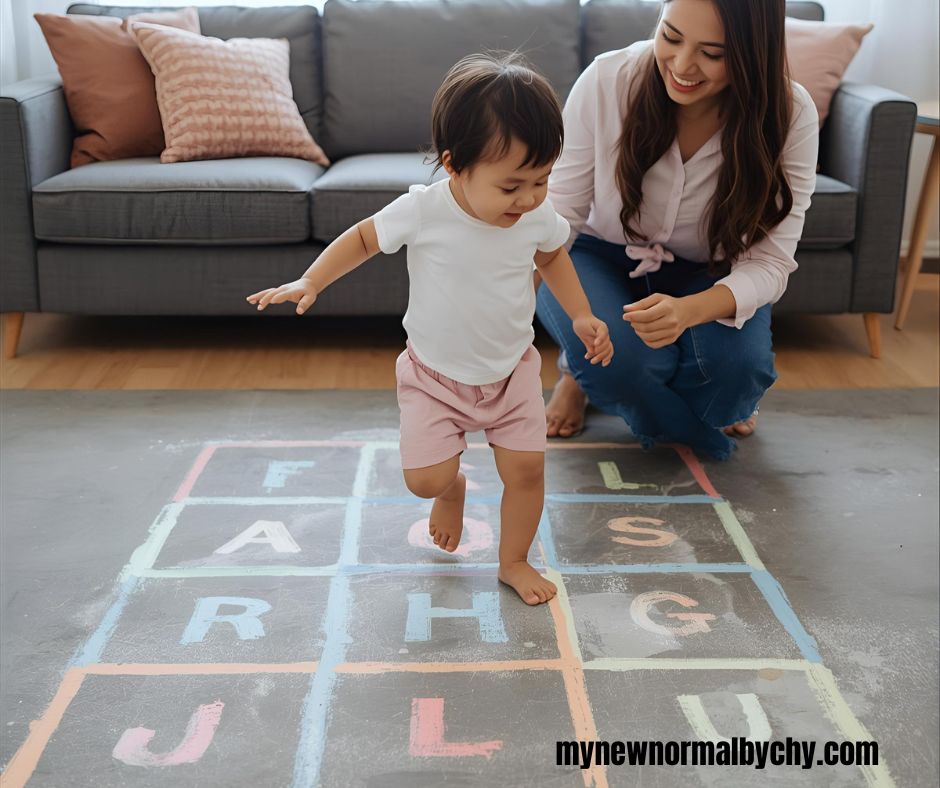
If your child loves to move, this is a perfect mix of play and learning. It helps them burn energy while practicing sounds, and yes, it makes bedtime easier too!
How to do this:
- Draw a hopscotch grid with chalk (outside) or masking tape (inside).
-
Instead of numbers, write letters or blends like sh, ch, th.
-
As your child jumps, they say each sound out loud.
-
For extra fun, have them blend the sounds into a word when they reach the end.
3. Sound Sorting Boxes
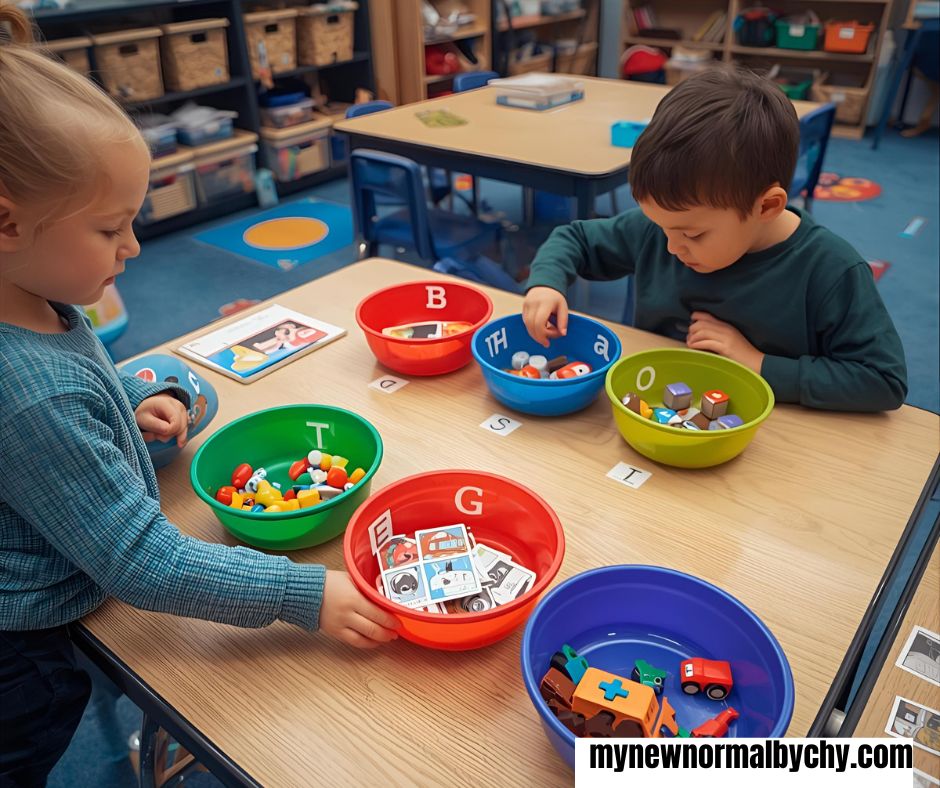
Sorting sounds into boxes helps kids group sounds visually and physically, and naturally reinforces sound-letter connection.
All you need to do is
- get small boxes or baskets, label small them with different letters,
-
gather small toys or picture cards (like apple, ball, cat),
-
then, have your child sort each item into the correct “sound box.”
4. DIY Phonics Wheel
This is a tactile and visual way to understand how letters combine to make new words.
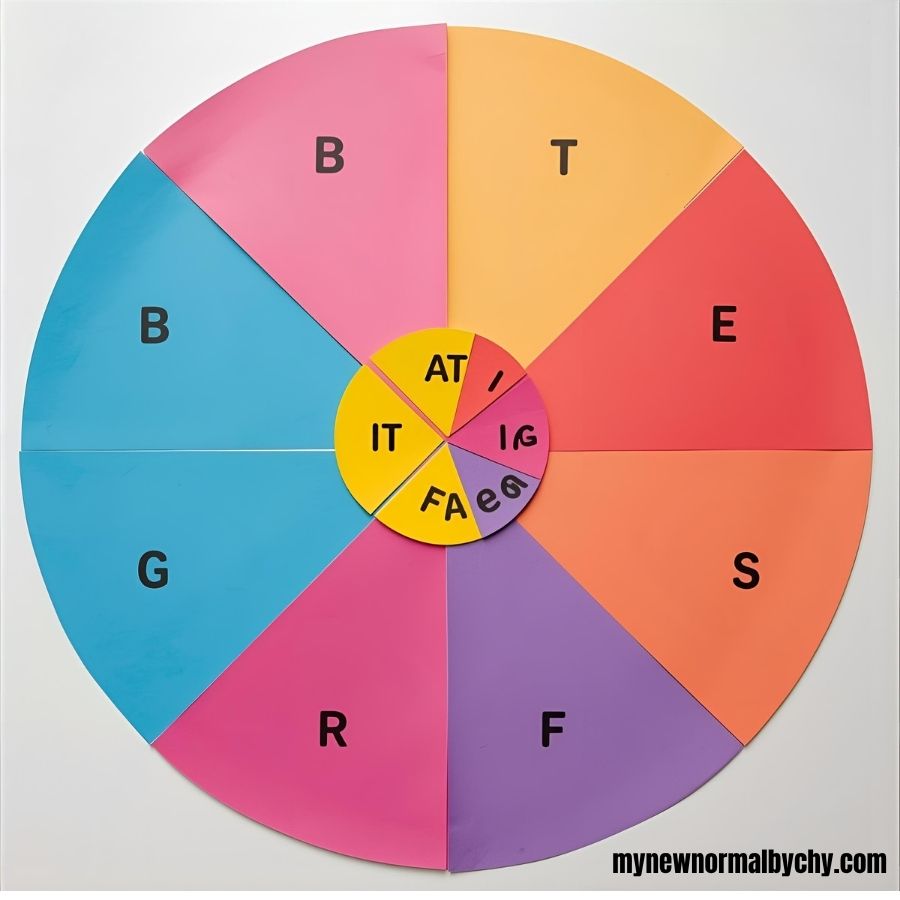
To do this,
- Cut out two paper circles, one smaller than the other.
-
On the big one, write word endings (-at, -it, -op).
-
On the small one, write beginning sounds (b, c, m, s).
-
Attach them with a brad fastener in the center so they spin.
6. Playdough Letters

This is perfect for busy fingers. It improves fine motor skills, muscle memory and repetition.
To do this,
- Roll playdough into letter shapes while saying the sounds out loud.
-
You can even build short CVC words (cat, dog, sun).
7. Magnetic Letter Match
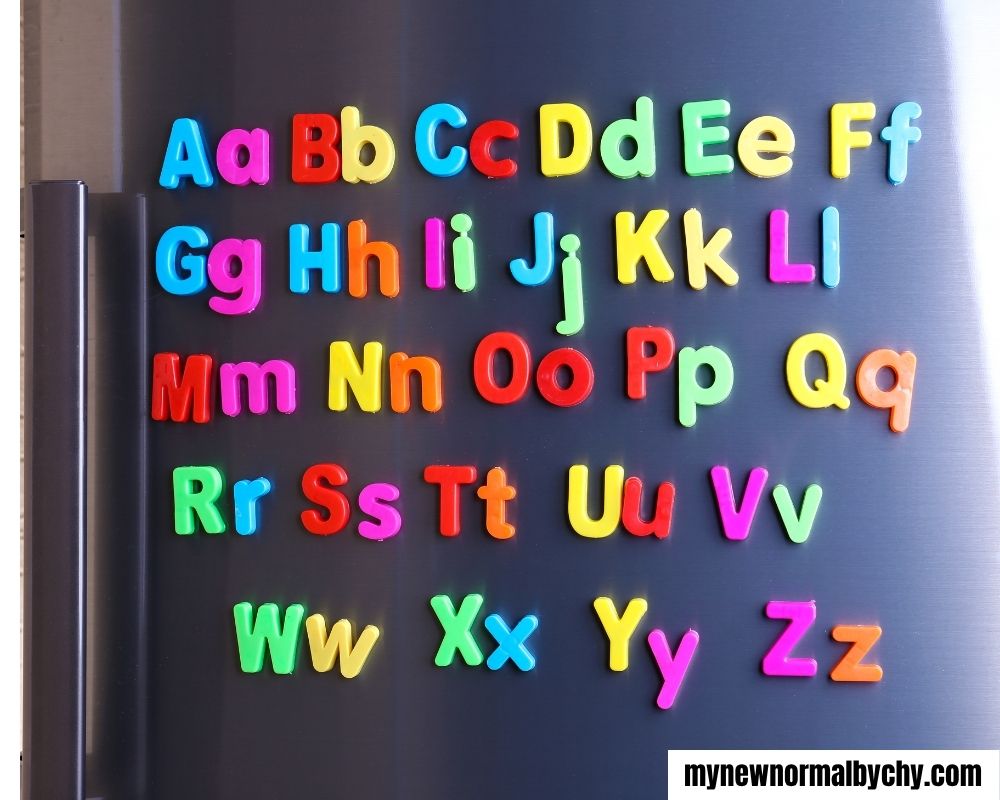
One of the simplest ways to bring letters and sounds to life is through a Magnetic Letter Match activity. All you need are a set of colorful magnetic letters and a magnetic surface such as a fridge, baking tray, or whiteboard.
Call out sounds and have your child find and stick the right letter.
Start by introducing a few letter sounds your child is learning, for example, /m/, /s/, and /a/. Say each sound clearly and ask your child to find the magnetic letter that matches it.
As they search, encourage them to say the sound aloud (“mmm… sss… aaa”) and stick the matching letter onto the surface.
For children ready to blend sounds, use the magnetic letters to build simple words. Say the sounds slowly, “/c/… /a/… /t/” and have your child find each letter and place them in order. Then, together, blend the sounds to read the word cat!
8. Phonics Fishing Game
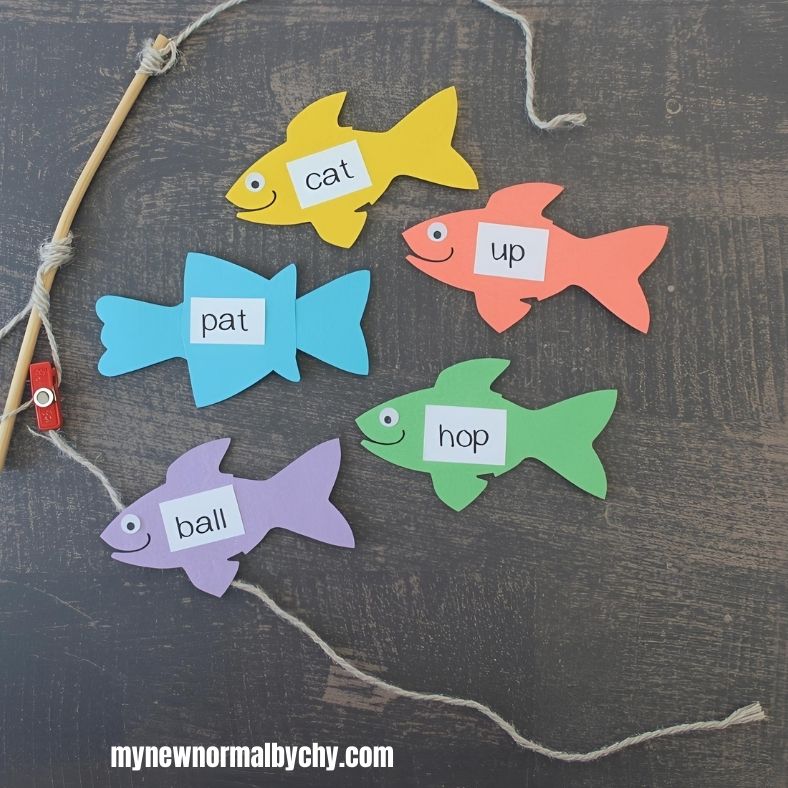
This is perfect for small groups or classrooms. It helps build focus, excitement and memory retention.
How to do this,
- Cut out fish shapes and write sounds or words on them.
-
Attach a paperclip to each fish.
-
Make a fishing rod using a stick, string, and a magnet.
-
Kids “catch” a fish and read the word aloud!
9. Sing-Along Phonics Songs

One of the easiest ways of getting kids’ to pay attention is through music. It isn’t just fun for little learners, it strengthens and makes repetition feel fun, not tedious.
Also, the best thing about this is that it’s so convenient for busy parents. You can sing in the car, at home, during shopping so far your toddler is with you.
- Sing classic phonics songs like “The Phonics Song” or “Bingo.”
-
Add hand motions for each letter or sound.
10. Storytime Sound Swap

It’s perfect for early readers and strengthens imaginative skills. children hear how changing one sound changes a whole word, a key phonemic awareness skill.
How to do it:
- Choose a familiar story like The Cat in the Hat.
-
Change one sound in key words: “The Bat in the Hat,” “The Cat in the Map.”
-
Let kids act out or illustrate the silly new story.
Tips to Keep Kids Engaged in Phonics Practice
1. Keep it short and sweet.
10–15 minutes daily works better than one long session.
2. Celebrate progress.
Stickers, high-fives, or a “reading star” chart keep motivation high.
3. Make it multi-sensory.
Use touch, sight, sound, and movement in every activity.
4. Rotate activities weekly.
Variety keeps curiosity alive.
5. Follow their interests.
If your child loves dinosaurs, use “D” words and roar as you read them!
Recommended Phonics Resources
If you’d love to add extra support:
- Apps: Starfall, Teach Your Monster to Read, Reading Eggs
-
Books: AlphaTales, Bob Books Phonics Set, Phonics Pathways
-
YouTube Channels: Jack Hartmann Kids Music, The Singing Walrus, Alphablocks
Remember, The Goal is Building Readers with Joy
At the end of the day, phonics isn’t just about blending sounds, it’s about building confidence and connection.
Every giggle, every “aha!” moment when they read a word on their own, is a step closer to a lifelong love for reading.
So fill your lessons with laughter, creativity, and kindness.
Your little learner isn’t just learning to read, they’re learning to love learning.