
This post shows you 20 Creative Backyard Play Areas for Kids on a Budget.
Every child deserves a space to run, imagine, build, and explore. But the dream of a backyard paradise doesn’t have to come with a theme-park price tag. With a little creativity, some elbow grease, and smart shopping, you can craft an outdoor play area that keeps kids entertained for hours, all while staying firmly within your budget.
So my dear, Even if you have a sprawling lawn or a modest patch of grass, these 20 Creative Backyard Play Areas for Kids on a Budget ideas will help you design a backyard that kids will absolutely love.
20 Creative Backyard Play Areas for Kids on a Budget
Why a Backyard Play Area Matters
Before we start talking about the ideas, it’s worth remembering why this investment is so worthwhile. Outdoor play is essential for children’s physical development, creativity, social skills, and mental health. Studies consistently show that kids who spend more time playing outside are happier, healthier, and better at problem-solving.
A well-designed backyard play area also gives parents peace of mind, kids are close by, safe, and entertained. And when your outdoor space is fun and engaging, screen time naturally takes a back seat.
The best part? You don’t need to spend thousands to make it happen.
Getting Started: Budget Tips Before You Build
Before jumping into projects, keep these money-saving principles in mind:
1. Shop secondhand first.
Facebook Marketplace, garage sales, and thrift stores are goldmines for outdoor toys, furniture, and building materials.
2. Use what you have.
Old tires, pallets, PVC pipes, and scrap lumber can become incredible play structures.
3. Phase your projects.
You don’t have to do everything at once. Start with one or two ideas and build up over time.
4. Get the kids involved.
Children who help build their play spaces take more ownership and pride in them, and it becomes a fun project in itself.
5. Check for free materials.
Websites like Free cycle or local community groups often list free wood, sand, and landscaping materials.
Now, let’s get to the good stuff.
1. DIY Sandbox
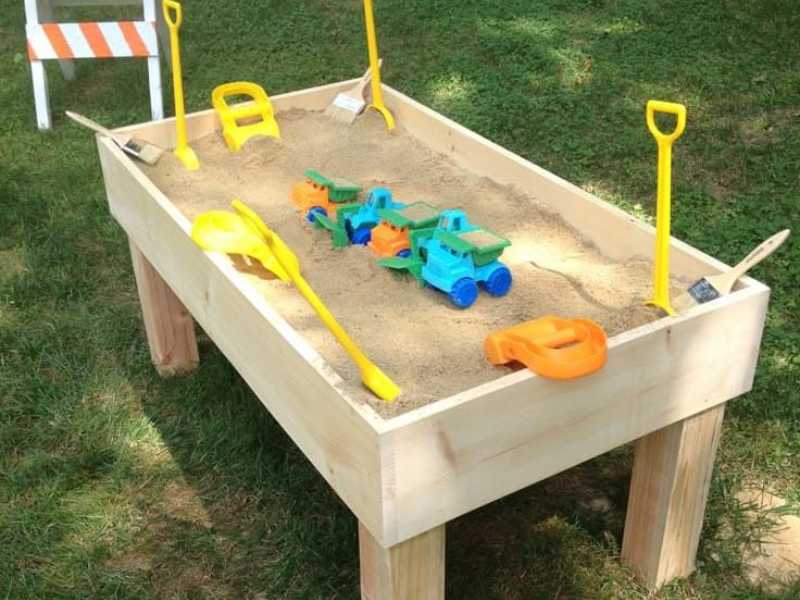
A classic for good reason , a sandbox is endlessly entertaining for toddlers and young children. You can build a simple wooden sandbox frame using inexpensive 2 x 6 lumber, fill it with play sand from a home improvement store, and add a plywood cover to keep animals out overnight.
Budget estimate: $30–$60
Best for: Ages 1–7
For these, I will advise you to Add a small water table nearby so kids can mix sand and water for mud kitchen play.
2. Water Play Station
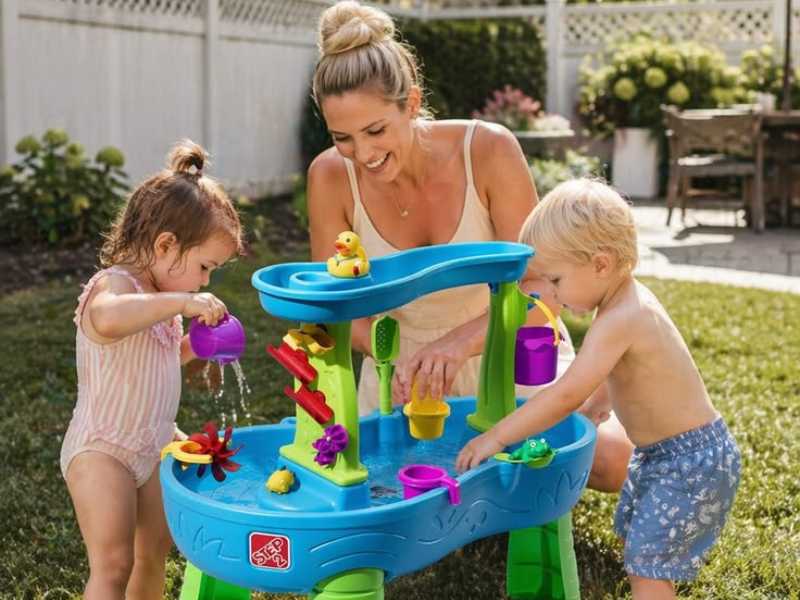
On hot summer days, nothing beats a water play setup. Run a simple garden hose through a series of PVC pipes and connectors to create a splash zone. Add buckets, cups, and funnels from the dollar store for endless water pouring and mixing fun.
For an even simpler version, just set up a plastic storage tote filled with water and a collection of bath toys and kitchen tools. Kids will be occupied for hours.
Budget estimate: $10–$40
Best for: Ages 2–10
You should try Laying an old tarp or rubber mat underneath to reduce muddy patches.
You may also like: How to Prepare Toddlers for Their First Day of School
3. Mud Kitchen
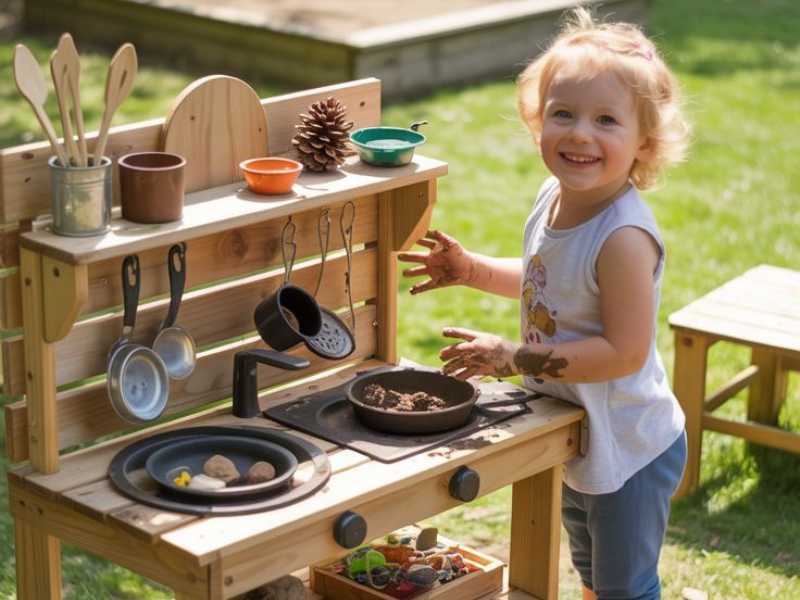
The mud kitchen has become one of the most popular backyard play trends in recent years, and for good reason. Kids love it. All you need is a secondhand table or shelf unit (think old nightstands or kitchen carts from a thrift store), some pots, pans, and utensils, and access to dirt and water.
Children spend hours “cooking” with mud, leaves, flowers, and water, developing creativity, sensory skills, and imaginative play.
Budget estimate: $0–$30 (mostly secondhand finds).
Best for: Ages 2–8
Here is what you should do.. Plant herbs nearby like mint and lavender so kids can add real ingredients to their recipes.
4. Tire Swing or Tire Obstacle Course
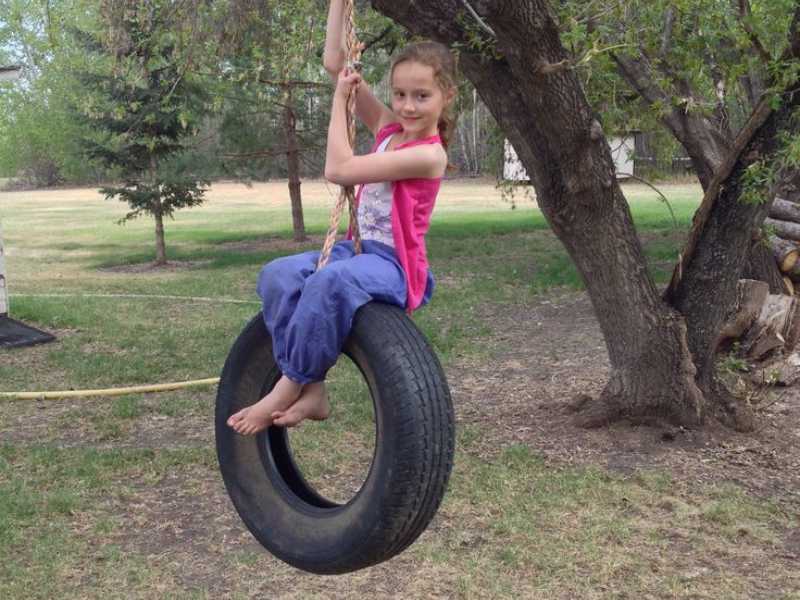
Old tires are free or nearly free (check with auto shops, which often need to pay to dispose of them), and they’re incredibly versatile. A single tire hung from a sturdy tree branch with thick rope makes a classic and beloved swing.
Alternatively, half-bury a series of tires in the ground at different angles to create a stepping-stone obstacle course. Kids can hop, jump, and balance their way through the course.
Budget estimate: Free–$20 (rope and hardware)
This Best for: Ages 3–12
You should Make sure the tree branch is healthy and thick (at least 8 inches in diameter) before hanging any swing.
5. Chalkboard Fence or Wall
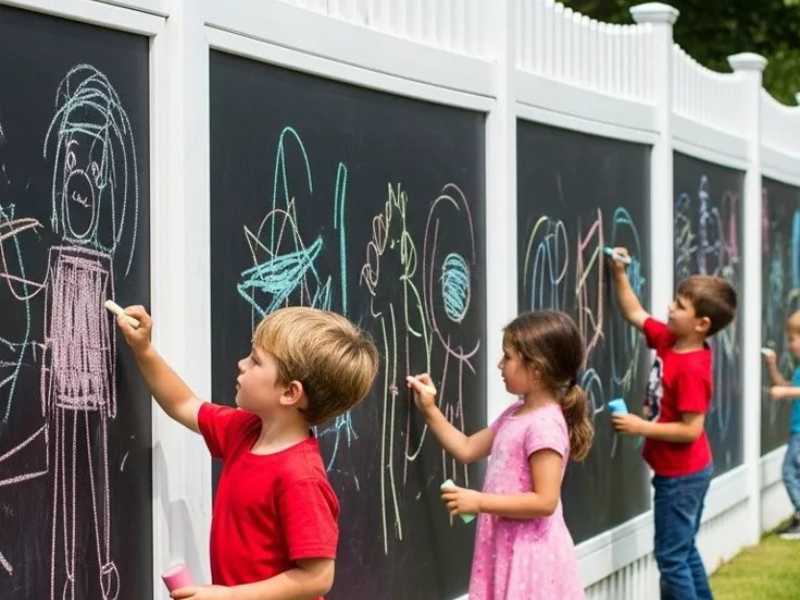
Turn a boring fence panel or concrete wall into a giant chalkboard by applying two coats of chalkboard paint (available at most hardware stores for under $15 a can). Kids can draw, write, play hopscotch diagrams, or practice letters and numbers.
This one is a particularly great option for smaller backyards because it uses vertical space rather than floor space.
Budget estimate: $15–$25
Best for: Ages 2–12
I will advise you Mount a small wooden ledge to hold chalk pieces and an eraser for easy access.
You should read this: Back To School Supplies For Your Preschooler
6. Stepping Stone Path
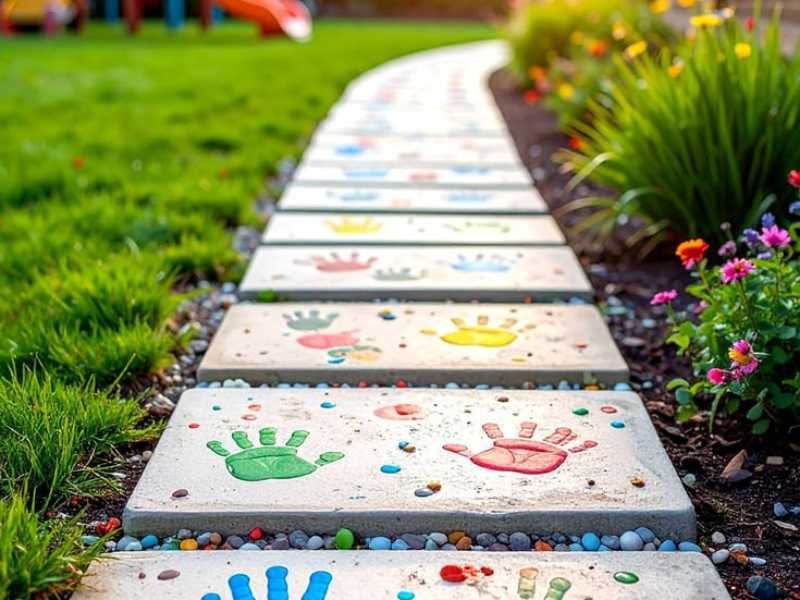
Create a fun, personalized garden path using DIY concrete stepping stones. You can buy stepping stone molds at craft stores or use old cake pans as molds.
Let kids press their handprints, footprints, leaves, or mosaic tiles into the wet concrete before it dries.
The result is a beautiful, functional path through the garden that kids feel deeply connected to because they made it themselves.
Budget estimate: $20–$40
Best for: Ages 4–12
Here is what you should do, Seal the stones with an outdoor sealant to protect the impressions from weather.
7. Pallet Climbing Wall or Fort
Wooden pallets are often free from hardware stores, garden centers, and warehouses. With a little sanding to remove splinters and some basic carpentry, pallets can be transformed into a fort wall, a vertical climbing structure, a raised garden bed, or even a simple playhouse frame.
Add rope netting, ladder rungs made from wood dowels, or a slide from a secondhand shop to complete the adventure zone.
Budget estimate: Free–$50 (hardware and extras)
Best for: Ages 4–12
You should Always sand pallets thoroughly and check for HT (heat treated) stamps, avoid chemically treated (MB) pallets for children’s play structures.
You may Also like: How to Prepare Your Toddler for a New Baby: Everything You Need to Know
8. Sensory Garden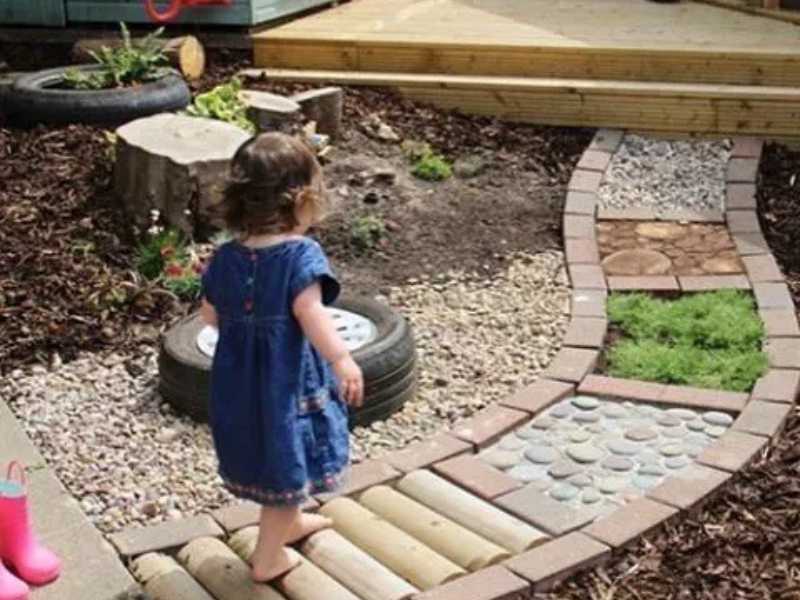
A sensory garden is a designated planting area filled with plants chosen for their textures, smells, colors, and sounds. Think lamb’s ear (soft and fuzzy), lavender (fragrant), ornamental grasses (rustling in the breeze), and sunflowers (bold and bright).
Add stepping stones, a small water feature like a birdbath, and some wind chimes to complete the multi-sensory experience. This is a wonderful space for children of all abilities, including those with sensory processing differences.
Budget estimate: $20–$60 (seeds and basic supplies)
Best for: All ages
Here you should Let kids pick some of the plants they want to grow to give them ownership of the garden.
9. Outdoor Art Station
Source
Set up a weatherproof art station with a plastic table, a bucket of brushes and rollers, and containers of washable outdoor paint. Hang a canvas or butcher paper on a fence, or let kids paint rocks, terracotta pots, or old furniture.
Rotate the materials seasonally to keep it fresh, watercolors in summer, leaf printing in fall, chalk in spring.
Budget estimate: $15–$35
Best for: Ages 2–10
Store supplies in a lidded plastic tote to keep them protected from rain between uses.
10. Balance Beam and Obstacle Course
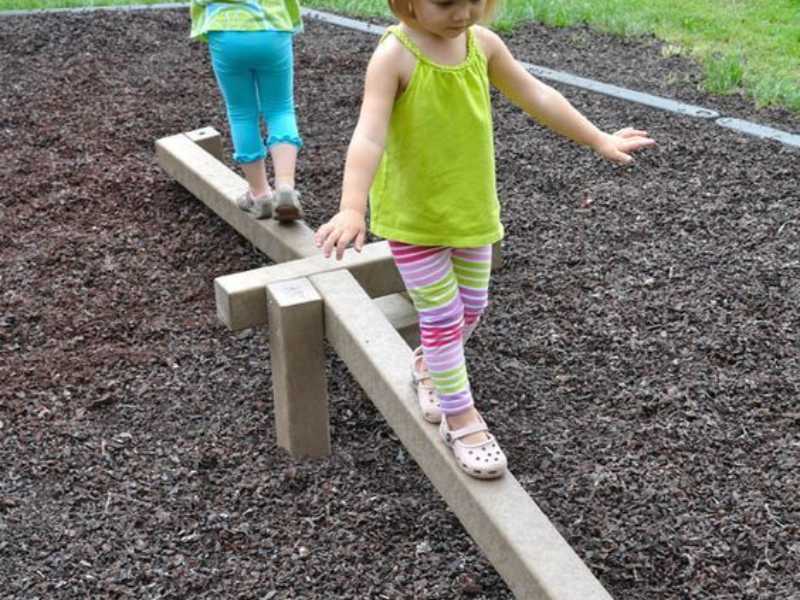
Use short lengths of 4 x 4 lumber (secured with L-brackets on the underside for stability) to create low balance beams at ground level. Pair these with stepping log stumps, a rope ladder between two trees, and a tunnel made from a large plastic drainage pipe, and you have a full obstacle course.
You can expand and reconfigure the elements over time to keep the challenge fresh.
Budget estimate: $30–$70
Best for: Ages 3–10
Pro tip: Keep balance beams low to the ground (no more than 6 inches high) for younger children.
11. Butterfly and Bug Garden
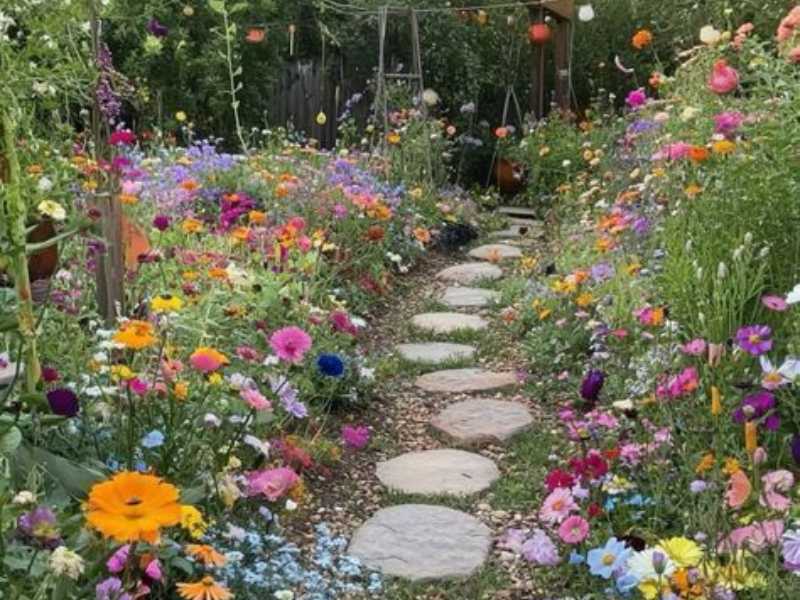
Kids are naturally fascinated by insects. Create a dedicated wildlife corner with plants that attract butterflies (like milkweed, coneflower, and butterfly bush), a bug hotel made from bundled bamboo and drilled wood blocks, and a magnifying glass station for observation.
Add a simple field guide or laminated ID cards so kids can learn the names of what they discover.
Budget estimate: $15–$40
Best for: Ages 4–12
A simple wildlife journal for recording sightings and drawings adds a lovely educational dimension.
I will recommend this: Signs Your Toddler Is Ready for Potty Training
12. DIY Sprinkler Run

Using PVC pipe, connectors, and a drill to make small holes, you can build a custom sprinkler arch or tunnel that connects directly to your garden hose. Kids run through the jets of water on hot days , it’s as simple and effective as it sounds.
For an even easier version, just weave a sprinkler through some hula hoops staked into the ground.
Budget estimate: $10–$25
Best for: Ages 2–10
I will advice you to Set up near a grassy area to avoid slippery mud patches.
13. Outdoor Reading Nook
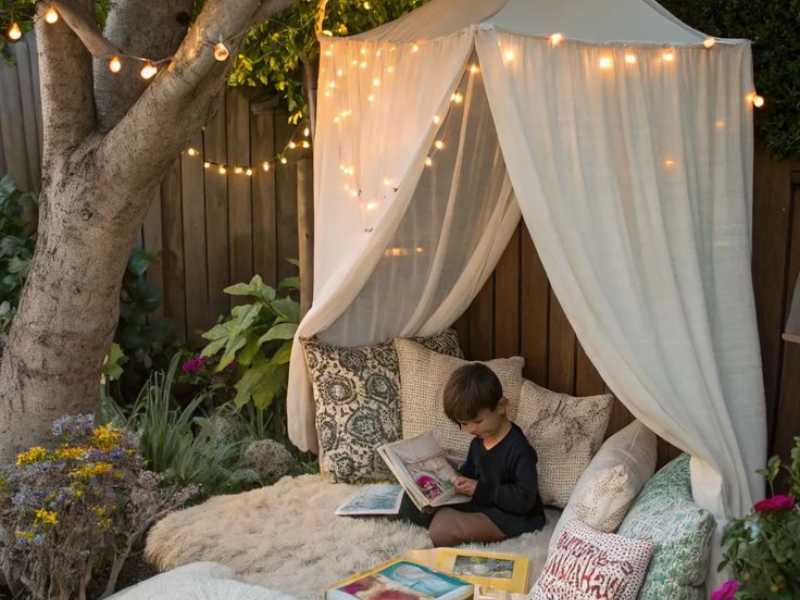
Create a cozy outdoor reading corner by stringing a hammock between two trees, or draping a weather-resistant canopy over a wooden frame. Add a waterproof storage box filled with books, and a couple of outdoor cushions.
This calm, quiet space provides a lovely counterbalance to high-energy play and encourages a love of reading in a magical setting.
Budget estimate: $20–$60
Best for: Ages 3 and up
Here you should Rotate the book selection monthly to keep it exciting and seasonal.
14. Giant Outdoor Games
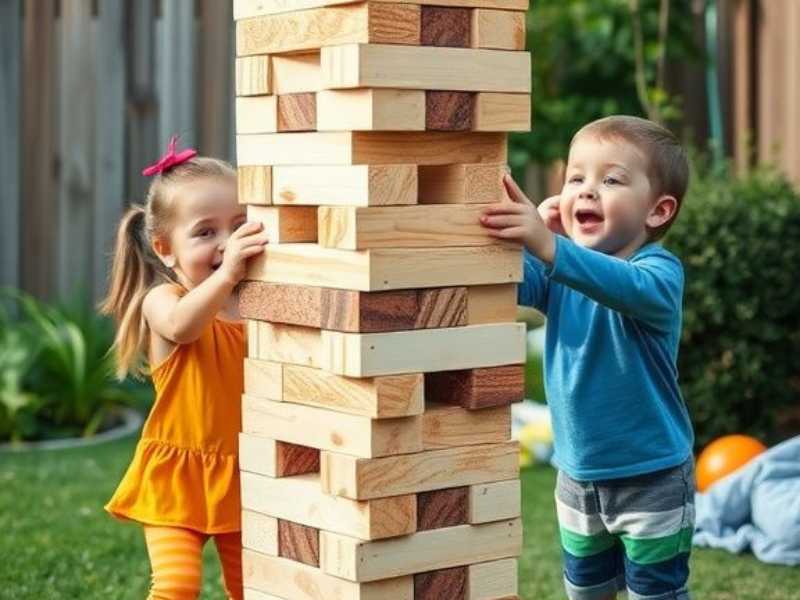
Scale up classic games for the backyard. Build a set of giant Jenga blocks from 2 x 4 lumber cut into equal lengths, paint them with wood stain, and you’ve got a party-ready game that doubles as a permanent backyard feature.
Other great giant games include Connect Four (made from PVC pipes and pool noodles), outdoor bowling with painted plastic bottles, and a ring toss station.
Budget estimate: $15–$40 per game
Best for: All ages
These games are fantastic for family gatherings and kids’ birthday parties too.
15. Digging Pit
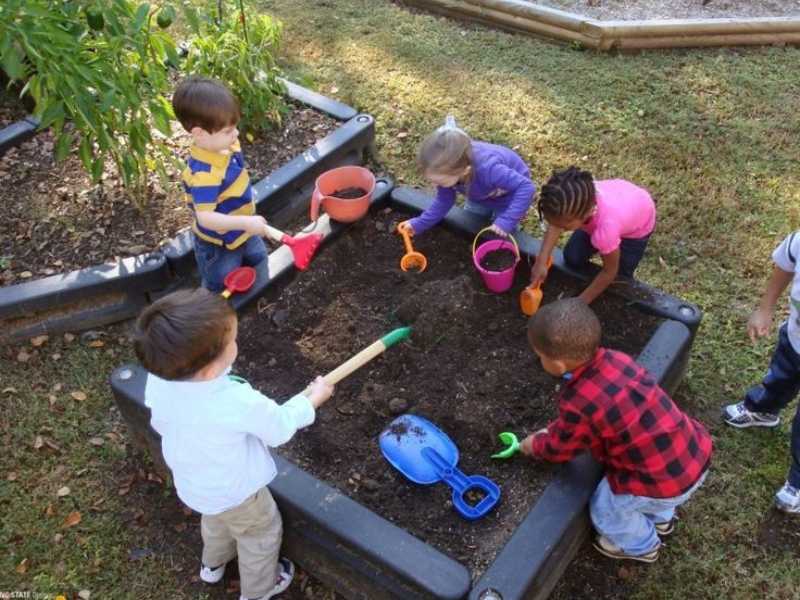
If you have the space, designate a specific area of the yard as an official digging zone. Fill it with a mix of soil and sand, and stock it with child-sized shovels, trowels, and old kitchen tools. Bury “treasures” like smooth rocks, plastic gems, or toy fossils for kids to discover.
Children are natural excavators. A dedicated digging pit keeps the rest of your garden safe while giving kids the sensory satisfaction of digging to their heart’s content.
Budget estimate: $10–$30
Best for: Ages 2–9
I will advise you to Rotate buried treasures regularly to maintain the excitement of discovery.
16. Nighttime Stargazing Corner
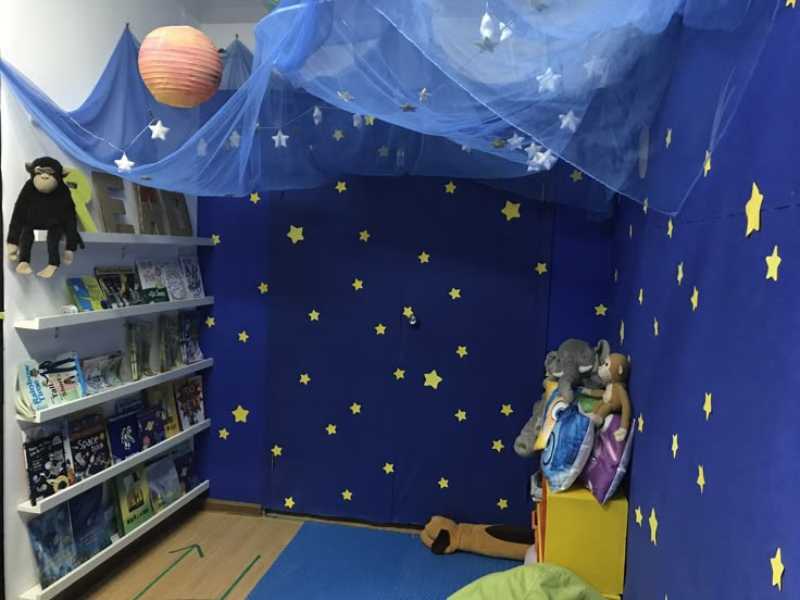
With solar-powered fairy lights strung through trees, a waterproof blanket or outdoor rug, and a couple of reclining camp chairs, you can create a simple stargazing nook that transforms the backyard into a magical nighttime destination.
Add a star chart or a basic telescope (available secondhand for very little), and you have an astronomical adventure waiting every clear evening.
Budget estimate: $20–$50
Best for: Ages 5 and up
I will advise you Download a free stargazing app on your phone to make it interactive.
17. Nature-Based Building Zone
Stock a corner of the yard with a collection of natural loose parts: sticks, stones, logs, pinecones, seed pods, and bark. This kind of open-ended “loose parts play” is backed by decades of early childhood research as one of the most powerful ways children develop creativity, engineering thinking, and problem-solving skills.
There are no rules, kids build forts, houses for fairies, obstacle courses for beetles, or whatever their imagination conjures.
Budget estimate: Free (collect from nature walks)
Best for: Ages 2–10
Here you should Add a few simple tools like a magnifying glass, tweezers, and small containers to extend the play.
18. Climbing Rope and Swing Set on a Budget
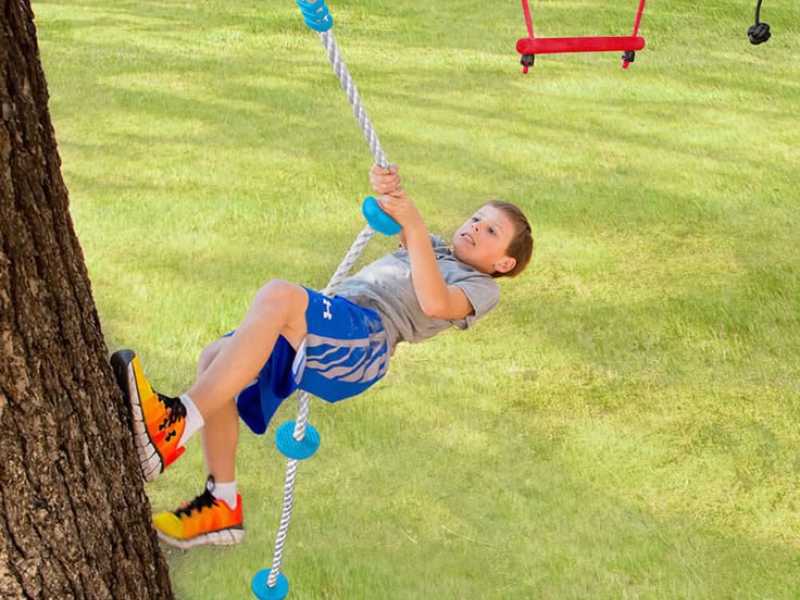
You don’t need an expensive wooden swing set to give kids the joy of climbing and swinging. A thick knotted rope hung from a strong tree branch is all you need for climbing practice and swinging.
Add a simple wooden plank seat at the bottom and you have a classic rope swing. Or tie large knots at regular intervals to create a climbing rope that even young children can manage.
Budget estimate: $15–$30
Best for: Ages 4–12
You should try Using marine-grade rope for durability and weather resistance, and inspect knots and attachment points seasonally.
19. Pizza Garden (Grow-Your-Own Toppings)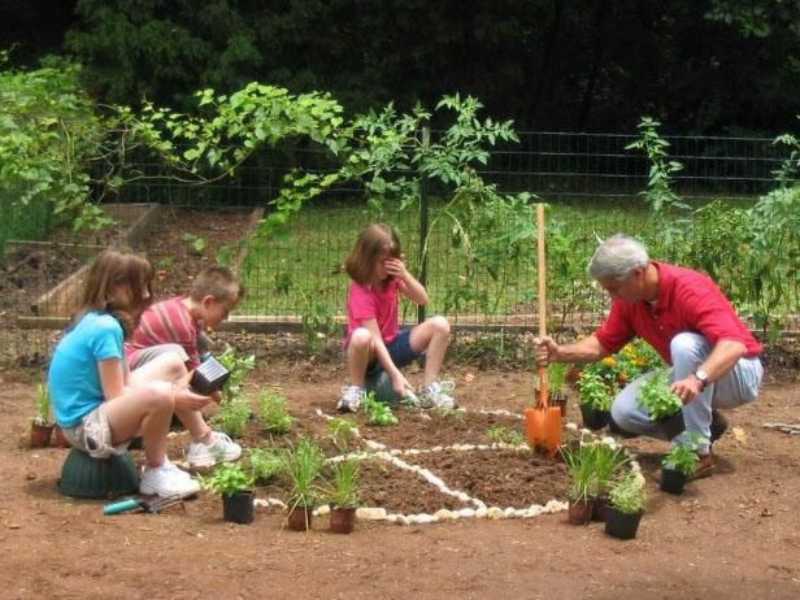
Arrange a circular raised bed divided into wedge sections (like a pizza) and plant different pizza toppings in each: tomatoes, basil, peppers, oregano, and onions.
Kids get invested in watching their “ingredients” grow, and the connection to food is immediate and tangible.
When harvest time comes, let them help make an actual pizza with what they grew, there’s no more rewarding way to close the loop.
Budget estimate: $25–$50 (materials and seeds)
Best for: Ages 4–12
I will suggest you Raised beds can be made cheaply from untreated cedar boards or even repurposed cinder blocks.
20. Fairy Garden or Miniature World
Source
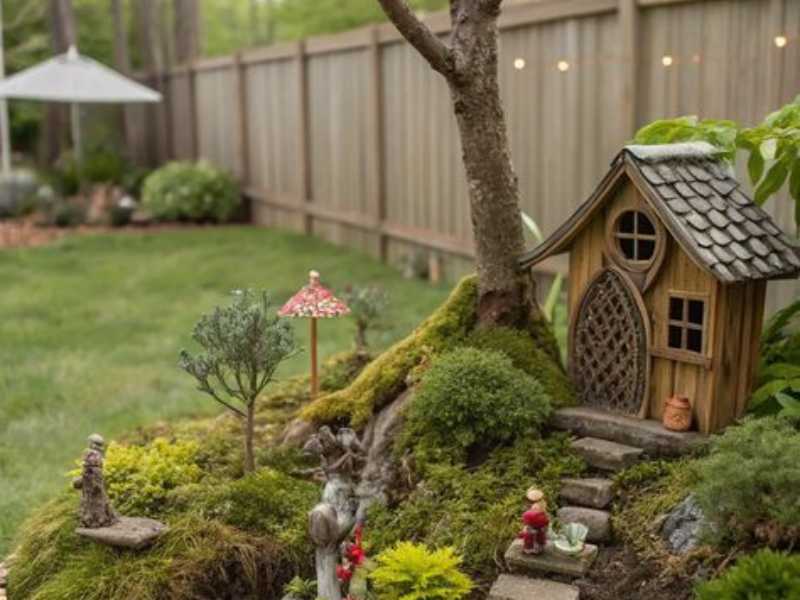
Use a section of the garden, a large planter, or even a repurposed wheelbarrow to create a tiny miniature world. Kids can build miniature fences from twigs, pathways from pebbles, and houses from bark and stones.
Add a few inexpensive fairy garden accessories
from a craft store, some tiny plants like creeping thyme or mosses, and let kids’ imaginations take over. This is an ongoing, evolving project that children can return to and expand over time.
Budget estimate: $10–$30
Best for: Ages 3–10
Try to Involve kids in collecting natural materials on walks to add to their miniature world, it extends the play beyond the backyard.
Keeping It Safe Without Spending a Fortune
Budget-friendly doesn’t mean cutting corners on safety. Here are some quick tips to ensure your play area is as safe as it is fun:
1. Soft landings matter.
Use wood chips, rubber mulch, or sand under any climbing structures. These are cheap in bulk and make a significant difference in fall protection.
2. Check equipment regularly.
Look for splinters, loose bolts, frayed ropes, and sharp edges at the start of each season.
Sun and shade balance.
Ensure there’s adequate shade in your play area, especially water play stations and sandboxes.
3. Fence it in if needed.
If you have young children or a pool nearby, a simple fence adds an essential safety layer.
The secret to a truly great backyard play area isn’t spending a lot of money, it’s designing with your kids in mind. Watch what they gravitate toward naturally.
Do they love digging? Make a digging pit a priority. Are they climbers? Focus on a rope and obstacle course setup. Are they imaginative storytellers? A fairy garden or fort will be their paradise.
Start with two or three of these ideas, see how your kids interact with them, and build from there. Involve them in the process, kids who help create their outdoor spaces play in them more, care for them better, and get far more joy out of them.
A magical backyard childhood doesn’t require a big budget. It requires a little imagination, some time, and the willingness to get your hands dirty alongside your kids.
This post showed you 20 Creative Backyard Play Areas for Kids on a Budget.