
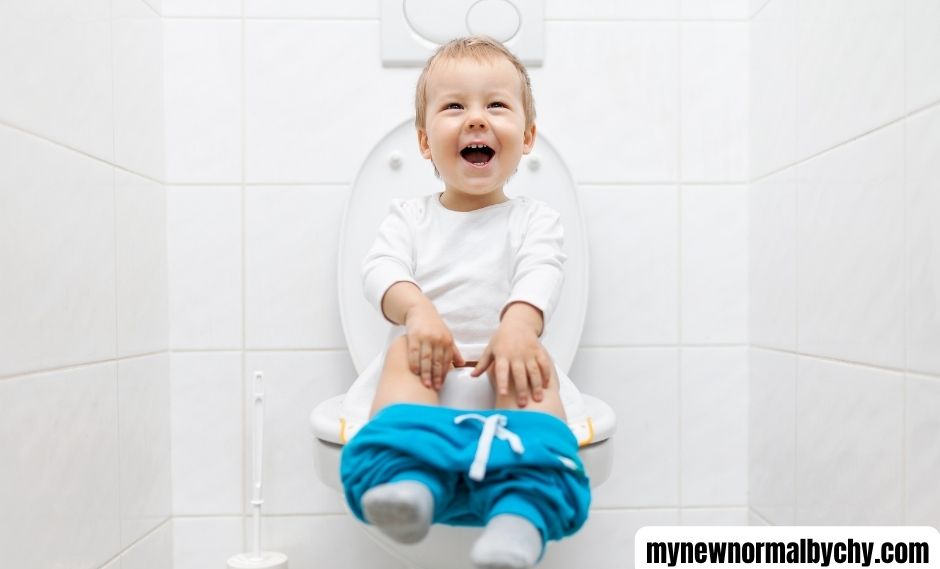
You have probably Googled “when should I start potty training” at least a dozen times. You have read the books, watched the YouTube videos, and listened to every piece of advice from your mother-in-law, your neighbour, and that one mom in the Facebook group who swears her child was fully potty trained at 18 months.
And yet, here you are, still unsure. Still second-guessing yourself. Still wondering if your toddler is ready or if you are just desperately hoping they are because the diaper bill is getting out of hand.This is practically the story of almost every mom.
Potty training is one of the most talked about, most stressful, and most misunderstood milestones in toddlerhood. And the number one reason so many moms struggle with it? They start before their toddler is truly ready.
Honestly, potty training is not about age. It is not about what your friend’s child did or what the parenting book says. It is entirely about your child’s individual readiness; physically, emotionally, and cognitively.
In this post, we are breaking down everything you need to know about when your toddler is ready for potty training. By the time you finish reading, you will know exactly what to look for, what to do, and how to approach this milestone with confidence and calm.
When do I start?
“I Don’t Know When to Start and I Feel So Lost”
There Is No Magic Age for Potty Training.
One of the biggest sources of confusion for moms is the idea that potty training should happen at a specific age. You may have heard that most children are ready between 18 months and 3 years, and while that is technically true, it is also a wide range that leaves a lot of room for variation.
The reality is that every toddler develops at their own pace. Some children show clear signs of readiness at 22 months. Others are not remotely interested until they are closer to three. Both are completely normal and okay.
The danger of focusing on age alone is that it leads to one of the most common potty training mistakes, starting too early.
Why Starting Too Early Does More Harm Than Good,
When you push potty training before your toddler is developmentally ready, you are setting both of you up for frustration, accidents, and unnecessary stress. Here is what often happens:
Your toddler resists and refuses because they genuinely cannot yet control their bladder muscles.
Every accident feels like a failure, for them and for you which might at the long run impact on their self esteem.
Your toddler develops a negative association with the potty that can last for months. Research consistently shows that children who begin potty training after they show signs of readiness tend to complete the process faster and with far fewer setbacks than children who are trained early before those signs appear.
So instead of asking “How old is my toddler?” start asking “What signs is my toddler showing?” That simple shift in perspective changes everything. Stop Comparing Your Toddler to Others.
We need to talk about comparison for a moment because it is the silent enemy of confident parenting. When your neighbour’s two-year-old is fully potty trained and your two-and-a-half-year-old still shows no interest, it is easy to panic and feel like you are doing something wrong. You are not!
Children are not in competition with each other. Your toddler’s readiness timeline has nothing to do with their intelligence, your parenting skills, or their future success. It is simply biology and development doing what they do, at their own beautiful pace.
Give yourself permission to stop comparing and start observing. Your toddler will tell you exactly when they are ready. Your job is simply to pay attention.
Why Does My Toddler Show No Interest?

“My Toddler Shows No Interest and I’m Worried”
Here is something important that many parenting resources do not tell you, lack of interest is not the same as lack of readiness. Some toddlers are physically ready to potty train but have zero motivation to make the switch from diapers. Others may seem curious about the potty but their bodies are simply not there yet.
Understanding this difference helps you respond in the right way instead of either pushing too hard or giving up too soon.
Signs your toddler may be physically ready but not yet interested:
- They stay dry for longer stretches during the day
- They tell you after they have gone in their diaper
- They hide when they need to go, seeking privacy is a huge sign of readiness!
- They are uncomfortable in wet or dirty diapers and ask to be changed immediately.
If you are seeing these signs but your toddler still resists the potty, the issue is motivation, not readiness. And motivation can absolutely be built.
How to Spark Interest Without Pressure
The key to building interest in potty training is making it feel exciting and positive, never forced or stressful. Here are some gentle ways to spark your toddler’s curiosity:

1. Read potty training books together.
Books like “Everyone Poops” by Taro Gomi or “Potty” by Leslie Patricelli normalise the experience in a fun, non-threatening way. Reading them regularly plants the seed without any pressure.
2. Let them observe.
As uncomfortable as it sounds, letting your toddler follow you to the bathroom is actually one of the most effective ways to teach them about the potty.
Children learn by watching, and seeing that going to the bathroom is a normal part of life goes a long way.
3. Introduce a toddler potty or seat insert.
Place a child-sized potty in the bathroom and let your toddler explore it freely, sit on it with clothes on, decorate it with stickers, make it familiar and fun. Familiarity reduces fear.
4. Use a reward system.
Sticker charts, praise, and small rewards for sitting on the potty, even without actually going, can build positive associations and genuine excitement around the process.
5. Talk about big kid underwear.
Take your toddler shopping and let them pick out underwear featuring their favorite characters. The idea of wearing “big kid underwear” is surprisingly motivating for many toddlers!
The goal at this stage is simply to make the potty feel like a safe, fun, and normal part of life. The rest will follow naturally.
How to Reset and Start Fresh When Your Toddler Resists Potty Training
Taking a break from potty training is not failure, it is wisdom. If things are not working, here is how to reset:
1. Step away for four to six weeks completely.
Put the potty out of sight, go back to diapers without drama, and do not mention potty training at all. This removes the pressure and gives your toddler’s development time to catch up.
2. Reflect without guilt.
Use this time to observe your toddler and watch for the readiness signs we will cover in the next section. Keep a mental note of what you see.
3. Reintroduce the potty positively.
When you try again, lead with excitement and zero pressure. Let your toddler set the pace. Frame every small step as a huge success.
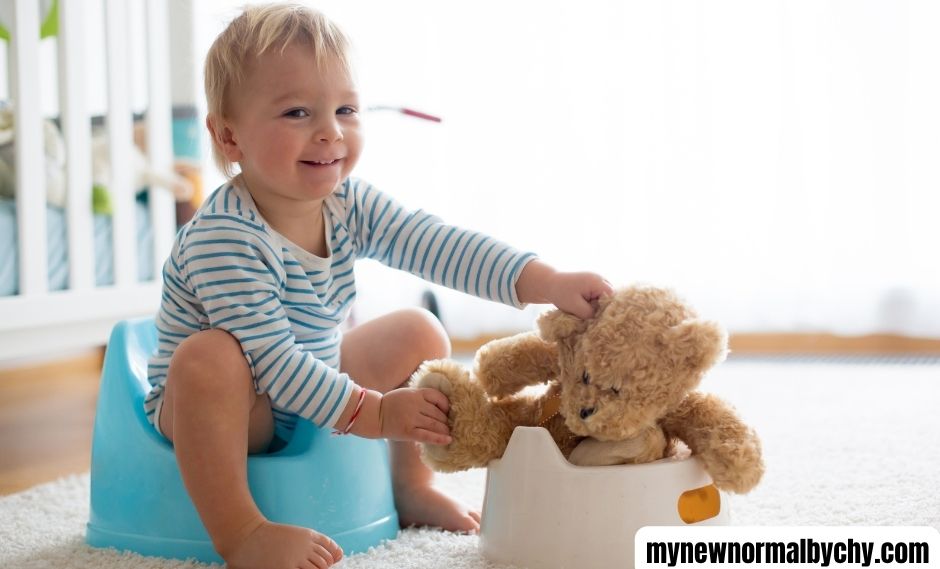
Many moms find that after a short break, potty training clicks almost overnight. When a child is truly ready and feels no pressure, the process can happen surprisingly quickly. Trust the process and trust your child.
How Do I Know If These Are Real Signs?
This is the section you have been waiting for! Here is a comprehensive breakdown of the real, research-backed signs that your toddler is ready for potty training, physical, behavioural, and emotional.
Physical Your Toddler Is Ready for Potty Training
These are the body-based signs that tell you your toddler’s bladder and bowel muscles are developing the control needed for potty training:
1. Staying dry for longer periods.
If your toddler’s diaper is dry after a two-hour stretch during the day, this is a strong sign that their bladder is developing the ability to hold urine. This is one of the most important physical signs to watch for.
2. Regular and predictable bowel movements.
If you can roughly predict when your toddler will have a bowel movement each day, their digestive system is on a schedule that makes potty training much more manageable.
3. Waking up dry from naps.
If your toddler consistently wakes up from their afternoon nap with a dry diaper, their bladder control during rest is developing well.

4. Discomfort in wet or dirty diapers.
When your toddler starts pulling at a wet diaper, complaining about it, or asking to be changed right away, that awareness of discomfort is a key physical readiness sign.
Behavioural Signs of Readiness
These are the actions and behaviors your toddler displays that signal they are mentally connecting the dots about what their body is doing:
1. Telling you before or during, not just after.
This is a big one. When a toddler tells you after they have gone, they are aware but not yet in control. When they start telling you during or even before they go, that awareness is progressing toward control — and that is exactly what you need for successful potty training.
2. Hiding to go.
Does your toddler disappear behind the sofa or into a corner when they need to have a bowel movement? This seeking of privacy is one of the clearest and most reliable behavioral signs of potty training readiness. It shows awareness, intention, and the beginning of bodily control.
3. Showing interest in the bathroom.
If your toddler follows you to the bathroom, asks questions about the toilet, or tries to flush, that curiosity is a green light.
5. Imitating older siblings or parents.
Children learn by imitation. If your toddler is copying bathroom behaviors they observe in others, they are connecting the dots in a very important way.
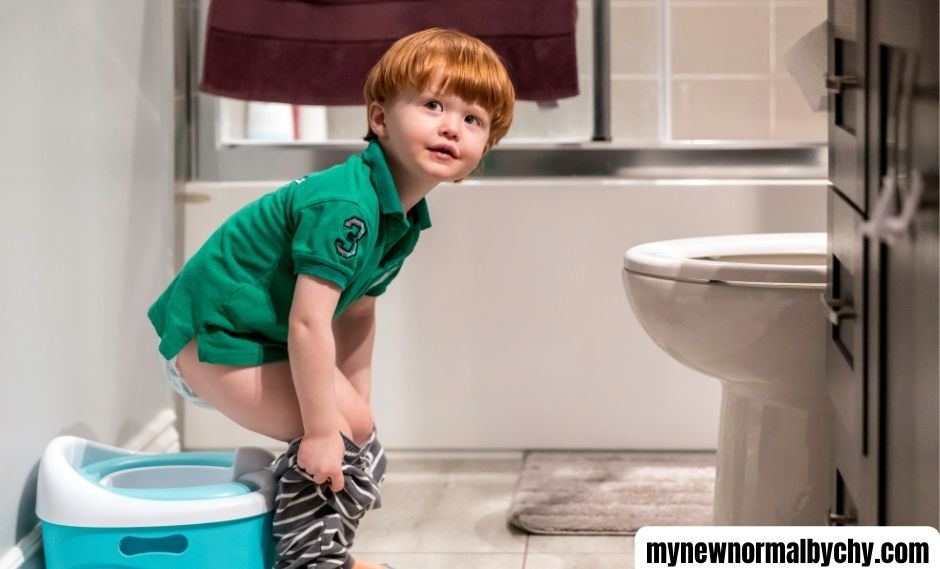
6. Can pull pants up and down independently.
This practical skill is often overlooked but it is genuinely essential. If your toddler cannot manage their own clothing, potty training becomes significantly harder and more frustrating for both of you.
Emotional and Cognitive Signs of Readiness
These signs tell you that your toddler has the mental and emotional maturity to understand and engage with the potty training process:
- Can follow simple two-step instructions.
“Go to the potty and sit down” requires your toddler to understand and execute a sequence of actions. If they can follow two-step directions in everyday life, they have the cognitive ability to follow through with potty training steps.
- Shows a desire for independence.
The toddler who insists on doing everything themselves, “Me do it! Me do it!”, is showing exactly the kind of autonomous drive that makes potty training click. Channel that independence toward the potty!
- Understands potty-related words.
If your toddler knows and uses words like “pee,” “poop,” “potty,” or whatever words your family uses, they have the vocabulary to communicate their needs, which is essential for successful training.
- Shows pride in their achievements.
A toddler who beams with pride when they accomplish something new and loves your praise and encouragement is emotionally primed for the positive reinforcement that makes potty training work.
- Can sit still for two to five minutes.
Potty training requires your toddler to sit on the potty long enough for something to happen. If your child cannot sit still for even a short period, this is worth working on before you begin.
You Do Not Have to Make This Complicated
Potty training does not have to be the exhausting, messy ordeal that so many moms dread. When you wait for genuine readiness and approach it with the right mindset, it can actually be a smooth and even joyful experience.
Here are some practical ways to simplify the process and protect your energy:
Choose the right timing.
Do not begin potty training during periods of major change or transition, like moving to a new house, starting daycare, or welcoming a new sibling. Choose a relatively calm stretch of time when you can be consistently present and patient.
Create a simple, consistent routine.
Take your toddler to the potty at regular intervals throughout the day, first thing in the morning, after meals, before naps, and before bedtime. Consistency builds habit faster than anything else.
Invest in the right tools.
A child-sized potty seat, a step stool for the regular toilet, easy pull-on pants, and plenty of underwear are your best friends during this season. Remove as many obstacles as possible.
Celebrate every single win. Did your toddler just sit on the potty without crying? Celebrate! Did they tell you they needed to go, even if they did not make it in time? Celebrate! Positive reinforcement is the single most powerful tool in your potty training toolkit. Use it generously and enthusiastically.
There will be accidents, setbacks and even days when you question everything. That is completely normal and it does not mean you are failing. It means you are in the middle of a process, and processes take time.
Know when to ask for help.
If your child is over four years old and showing no signs of readiness or interest despite your best efforts, it is worth having a conversation with your pediatrician to rule out any underlying developmental factors.
Building a Stress-Free Potty Training Routine
Here is a simple daily routine to get you started once your toddler shows readiness signs:
Morning: Take toddler to potty immediately after waking up
After breakfast: Potty visit 15-20 minutes after eating
Mid-morning: Scheduled potty break
After lunch: Potty visit before naptime
After nap: Potty visit immediately upon waking
Late afternoon: Scheduled potty break
After dinner: Potty visit 15-20 minutes after eating
Bedtime: Final potty visit as part of bedtime routine
Keeping this routine consistent, even on days when nothing happens, builds the habit and the muscle memory that eventually leads to independence.
Conclusion:
Potty training is a journey, not a race. And like every journey worth taking, it goes much more smoothly when you start at the right time, with the right tools, and the right mindset.
Now that you know exactly what signs to look for, the physical cues, the behavioural signals, and the emotional readiness markers, you are no longer guessing. You are observing. You are informed. And you are ready to lead your toddler through this milestone with patience, confidence, and love.
Remember, your toddler is not behind. They are not failing. They are simply developing on their own beautiful timeline. And when the time is right, they will get there. They always do.