
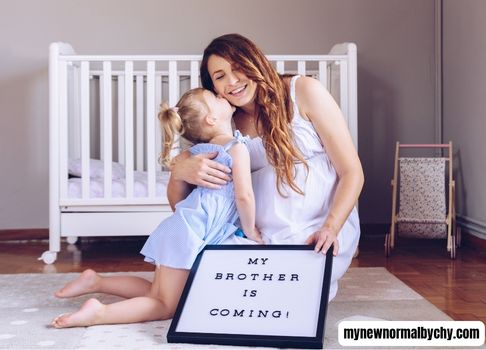
Bringing a new baby home is one of the most exciting chapters of your family’s story. But if you already have a toddler at home, you may be wondering , how do I prepare my little one for this big change?
The truth is, welcoming a new sibling is a major transition for your toddler. One day they are the centre of your world, and suddenly there is a tiny new person demanding all of mama’s attention. That shift can feel confusing, scary, and even a little heartbreaking for your little one.
The good news? With the right preparation, your toddler can not only adjust to the new baby , they can absolutely thrive! In this post, we are sharing everything you need to know about how to prepare your toddler for a new baby, from the moment you share the big news all the way through those first few weeks at home.
How to Prepare Your Toddler for a New Baby: Everything You Need to Know
1: Start the Conversation Early
One of the most important things you can do is tell your toddler about the new baby early, but at the right time.
Toddlers have very little concept of time. Telling a two-year-old that a baby is coming in seven months will mean very little to them. A good rule of thumb is to share the news around the second trimester, when your bump starts to show and the pregnancy feels more real and tangible.
How to tell your toddler:
1. Keep it simple and age-appropriate.
Say something like “Mama has a baby growing in her tummy and soon you are going to be a big brother/sister!”
2. Use positive, excited language so they mirror your enthusiasm.
3. Answer their questions honestly and simply, toddlers ask the most hilarious questions, so be ready!
3. Avoid overwhelming them with too much information at once.

Books to read together:
Reading books about new babies is a wonderful way to help your toddler understand what is coming. Some great options include:
1. There’s a House Inside My Mummy by Giles Andreae
2. I’m a Big Sister/Brother by Joanna Cole
3. Hello Baby! by Jenni Overend
Reading these books together opens up natural conversations and helps your toddler feel included in the journey from the very beginning.
2: Involve Your Toddler in the Pregnancy
Children feel more secure when they feel involved. The more you include your toddler in the pregnancy journey, the more connected they will feel to the new baby, and the less threatened they will feel when baby finally arrives.

Here are some beautiful ways to involve your toddler:
Let them feel the baby kick. This is such a magical moment! Place your toddler’s hand on your belly and let them feel their little sibling move. Say something like “The baby is saying hello to you!” This helps them build a bond with the baby before they even arrive.
Take them to a prenatal appointment. Hearing the baby’s heartbeat or seeing them on an ultrasound makes the pregnancy feel real and exciting for your toddler. It also helps them understand that there really is a baby in there!
Let them help set up the nursery. Give your toddler small, age-appropriate jobs like picking out a stuffed animal for the baby’s crib or helping you fold tiny baby clothes. This sense of responsibility makes them feel important and valued.
Talk about the baby together daily. Make it a habit to mention the baby in everyday conversations. “What do you think the baby will like to eat?” or “Should we sing a song for the baby?” These small moments build excitement and normalcy around the idea of a new sibling.
3: Prepare Your Toddler Emotionally
Here is where so many parents miss the mark, the emotional preparation. Practical preparation is important, but helping your toddler process their feelings about the new baby is absolutely essential.
Validate all of their feelings.
Your toddler may feel excited, confused, jealous, scared, or all of the above, sometimes all at once! Whatever they feel is completely normal. Avoid dismissing their emotions with phrases like “Don’t be silly, you’ll love the baby!” Instead, try “It’s okay to feel worried. Mama is here and I love you so much.”
Talk about jealousy before it happens.
Be honest with your toddler. Let them know that when the baby comes, you will be very busy sometimes. But also make it very clear that your love for them will never, ever change. You can say something like “Mama will have to feed the baby a lot, but you are still my special big girl/boy and I will always have time for you.”
Reassure them of their place in the family.
Toddlers need constant reassurance that they are still loved, wanted, and important. Make sure to say “I love you” often, give lots of hugs, and remind them regularly how excited you are to watch them become a big sibling.
4: Practical Ways to Prepare Your Toddler
Beyond the emotional work, there are some very practical things you can do to get your toddler ready for the arrival of the new baby.
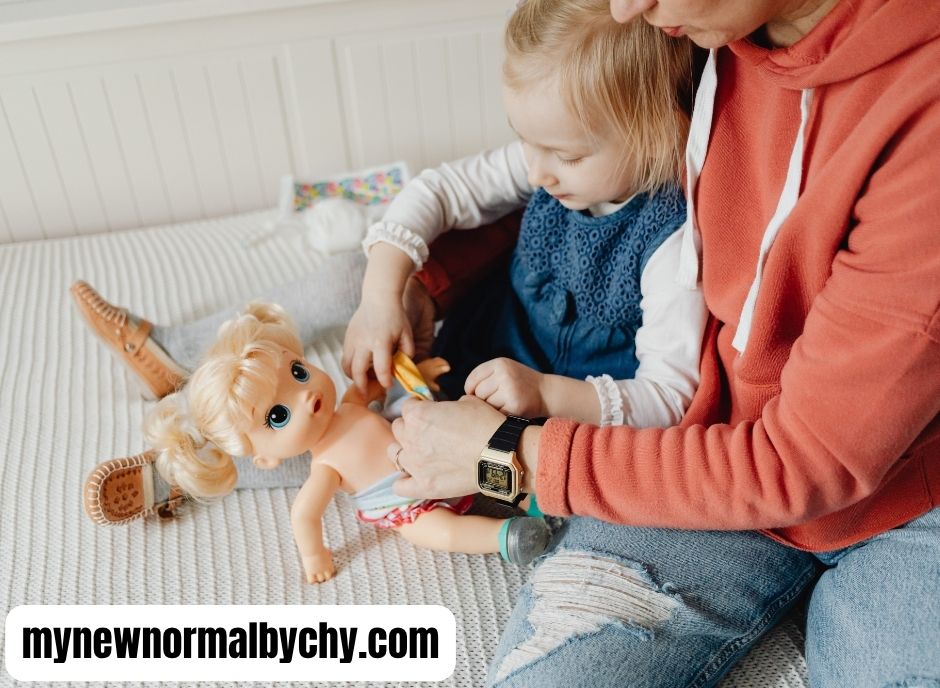
Practice with a baby doll.
Give your toddler a baby doll and practice together. Show them how to hold the baby gently, how to rock them, and how to be quiet when the baby is sleeping. This playful practice goes a long way in teaching them how to behave around a newborn.
Teach gentle touch.
This is so important! Toddlers are not always aware of their own strength. Practice saying “gentle hands” and show them how to softly stroke the doll’s head or give a gentle pat. Make it a game so they enjoy learning.
Adjust routines before baby arrives.
If you plan to make any big changes, like moving your toddler to a new bedroom, transitioning from a crib to a bed, or starting them in preschool, do it well before the baby arrives.
Making too many changes at once can be overwhelming and your toddler may associate all the disruption with the new baby.
Read and talk about what newborns are really like.
Toddlers often imagine a new sibling as a ready-made playmate. Help manage their expectations by explaining that newborns sleep a lot, cry a lot, and cannot play right away.
This prevents disappointment and frustration when baby arrives.
5: Prepare for the Hospital Stay

The day you go to the hospital can be really unsettling for your toddler, especially if it is the first time you have been away from them overnight.
Plan childcare in advance.
Make sure your toddler knows well ahead of time who will be taking care of them while you are at the hospital. Whether it is grandma, a trusted friend, or another family member — introduce this plan early so your toddler feels comfortable and prepared.
Practice the goodbye.
If possible, do a trial run of staying with the caregiver beforehand. This reduces anxiety and makes the goodbye on the big day much smoother.
Stay connected while you are away.
Video calls are a wonderful way to keep your toddler feeling connected while you are in the hospital. Seeing your face and hearing your voice will give them so much comfort during that time apart.

Plan a special first meeting.
The moment your toddler meets the new baby for the first time is one you will never forget.
Here are some tips to make it magical:
1. Have someone other than mama hold the baby when the toddler first walks in, so mama’s arms are free for a big hug
2. Let your toddler approach the baby at their own pace , never force it.
Have a small “gift from the baby” ready for your toddler, a little toy or treat that the baby “brought” for their big sibling. This works like magic!
6: After the Baby Arrives What to Expect
Even with the best preparation, the adjustment period after baby arrives can be challenging. Here is what to expect and how to handle it:
Protect your one-on-one time.
This is non-negotiable. No matter how busy you are with the newborn, carve out dedicated one-on-one time with your toddler every single day. It does not have to be long, even 15 to 20 minutes of focused, undivided attention makes a world of difference.

Include your toddler in baby care.
Give your toddler small jobs that make them feel like a helper and not a bystander. Let them bring you a diaper, sing to the baby, or hold the baby’s hand. This builds their bond with the sibling and boosts their self-esteem.
Watch for signs of regression.
It is very common for toddlers to regress when a new baby arrives. This might look like:
1. Bedwetting after being potty trained
2. Wanting a bottle or pacifier again
3. Clinginess or separation anxiety
4. More tantrums than usual
This is completely normal and temporary. Respond with patience and extra love, never shame or punishment.
Signs your toddler may be struggling:
1. Persistent aggression toward the baby.
2. Extreme withdrawal or sadness.
3. Changes in eating or sleeping patterns.
3. Constant meltdowns lasting more than a few weeks.
If you notice these signs lasting for an extended period, consider speaking with your pediatrician for guidance.
Finally
Preparing your toddler for a new baby is truly one of the greatest gifts you can give both of your children. Of course , there will be bumpy days and there will be tears , from your toddler and from you! But with patience, intentionality, and a whole lot of love, your family will beautifully adjust to its new normal.
Most importantly, it’s not just a baby who has been added to your family, you are giving your toddler their very first best friend.